What is the immediate precursor phase a medium-sized star enters before shedding its outer layers?
Answer
The star swells immensely and becomes a red giant.
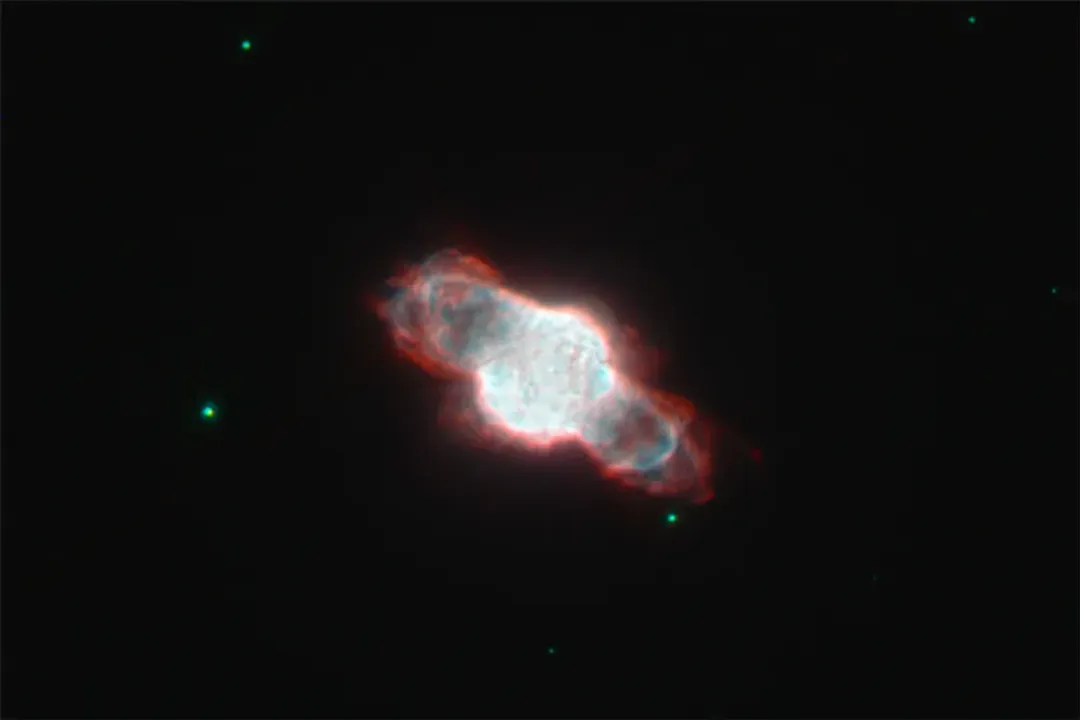
The evolution toward a planetary nebula begins after a star of intermediate mass exhausts the hydrogen fuel located in its core. Once core fusion ceases, the star enters a dramatic structural transition. It initiates hydrogen burning in a shell surrounding the depleted core, causing the outer atmospheric layers to expand outward dramatically, resulting in the star becoming a red giant. It is only after this swelling phase that the star sheds these outer layers into space, marking the beginning of the planetary nebula creation process.
#Videos
What Are Planetary Nebulae And How Are They Classified?
Related Questions
Why did early astronomers name these objects planetary nebulae?What is the typical mass range for stars creating planetary nebulae?What is the brief estimated lifetime for the visible phase of a planetary nebula?What stellar core remains at the center of the expanding planetary nebula?What process converts the energy from the central star into visible light?What influence can a companion star have on a planetary nebula's morphology?What is the immediate precursor phase a medium-sized star enters before shedding its outer layers?What specific element is responsible for the common greenish glow in nebulae?What mechanism involving magnetic fields can funnel escaping material in a nebula?Why does the nebula eventually cease to glow visibly?