Why is the term planetary nebula considered a misnomer in modern astronomy?
Answer
Early astronomers using low-resolution telescopes mistook the glowing gas clouds for gas giant planets
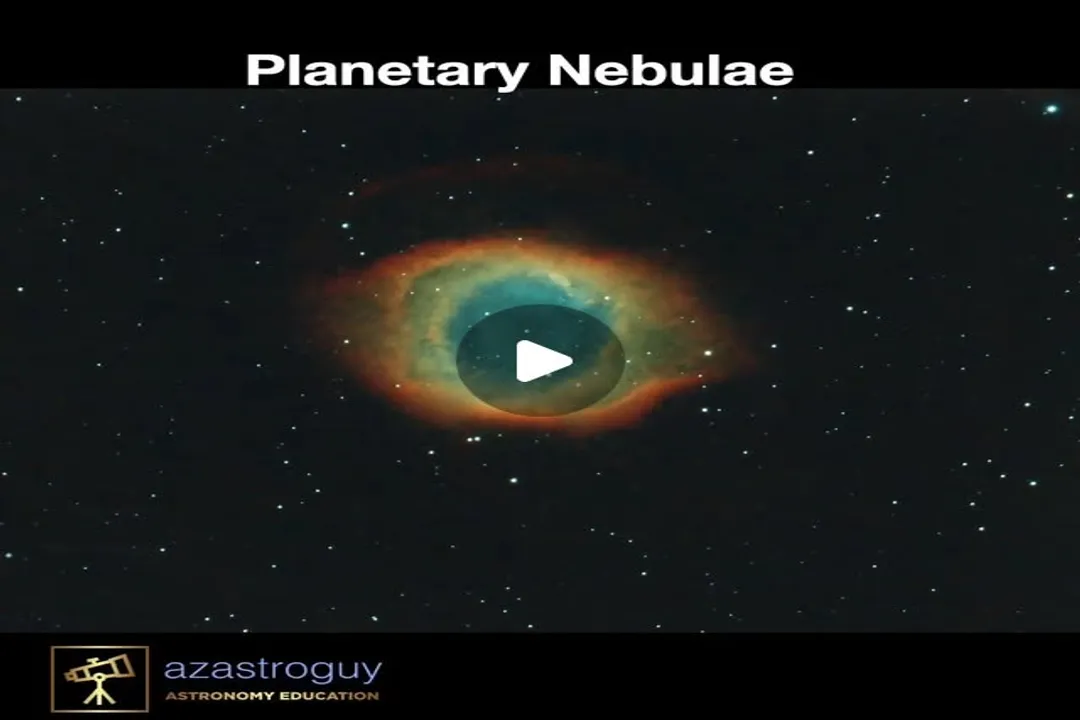
The name planetary nebula originated in the 18th century when astronomers first observed these objects through limited, primitive telescopes. These glowing, rounded clouds of ionized gas appeared visually similar to the gas giants located within the solar system. Despite the name implying a connection to planets, modern science confirms that these objects are the remnants of dying stars. They consist of ejected gaseous shells illuminated by a central white dwarf and possess no relation to planetary bodies.
Related Questions
Why is the term planetary nebula considered a misnomer in modern astronomy?What specific type of stellar object sits at the center of a planetary nebula?During which phase of stellar evolution does a star shed its outer layers to create a planetary nebula?What physical process allows the gases in a planetary nebula to glow with visible light?Why does a white dwarf appear white to human observers?What is the primary function of an Oxygen-III filter when observing a planetary nebula?How long does the planetary nebula phase typically last in the lifespan of a star?What is the eventual state of a star after the planetary nebula phase ends and the white dwarf cools?How does the mass and density of a white dwarf compare to the star it originated from?What is the future outlook for our Sun based on the life cycle of stars that form planetary nebulae?