What is the typical mass range for stars creating planetary nebulae?
Answer
Low to intermediate mass stars, roughly 0.8 to 8 times the mass of our Sun.
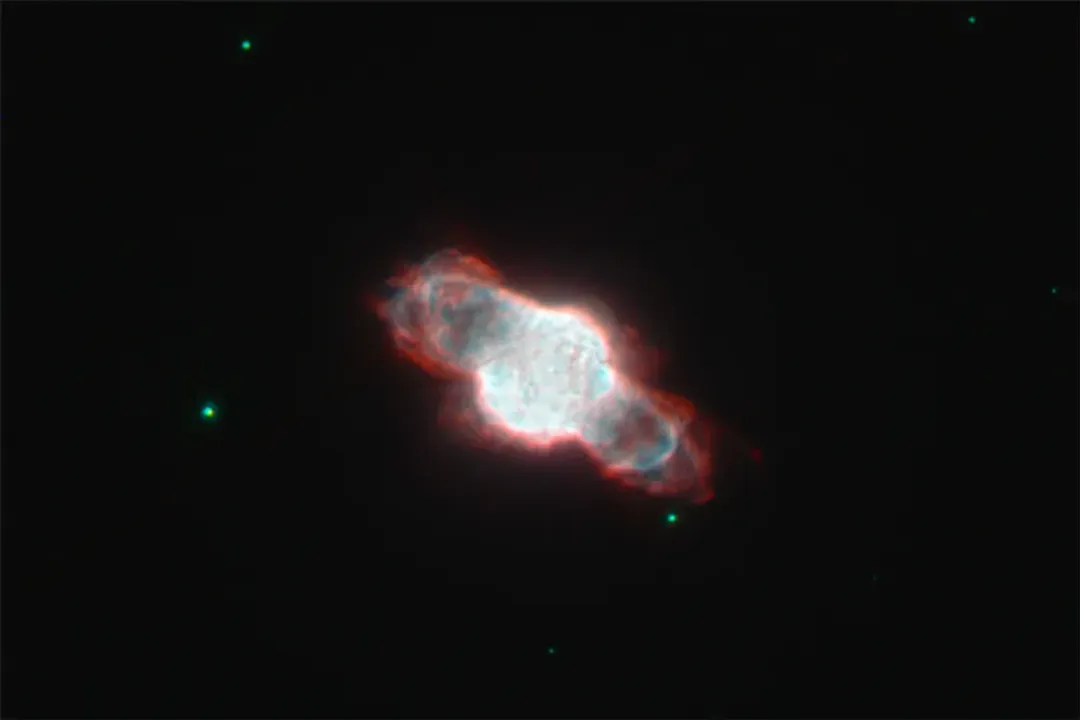
The formation of a planetary nebula is a specific terminal evolutionary stage reserved for stars that fall within a defined intermediate mass bracket. Stars that evolve into planetary nebulae are those with masses situated between approximately 0.8 and 8 times the mass of our Sun. Stars significantly larger than this range typically end their lives through a more violent supernova explosion rather than the relatively slower process of atmospheric shedding that characterizes nebula formation. Stars much smaller than this range evolve much more slowly and differently at the end of their lives.
#Videos
What Are Planetary Nebulae And How Are They Classified?
Related Questions
Why did early astronomers name these objects planetary nebulae?What is the typical mass range for stars creating planetary nebulae?What is the brief estimated lifetime for the visible phase of a planetary nebula?What stellar core remains at the center of the expanding planetary nebula?What process converts the energy from the central star into visible light?What influence can a companion star have on a planetary nebula's morphology?What is the immediate precursor phase a medium-sized star enters before shedding its outer layers?What specific element is responsible for the common greenish glow in nebulae?What mechanism involving magnetic fields can funnel escaping material in a nebula?Why does the nebula eventually cease to glow visibly?