What process converts the energy from the central star into visible light?
Ultraviolet (UV) radiation strips electrons from gas atoms (ionization), which then release light upon recombination.
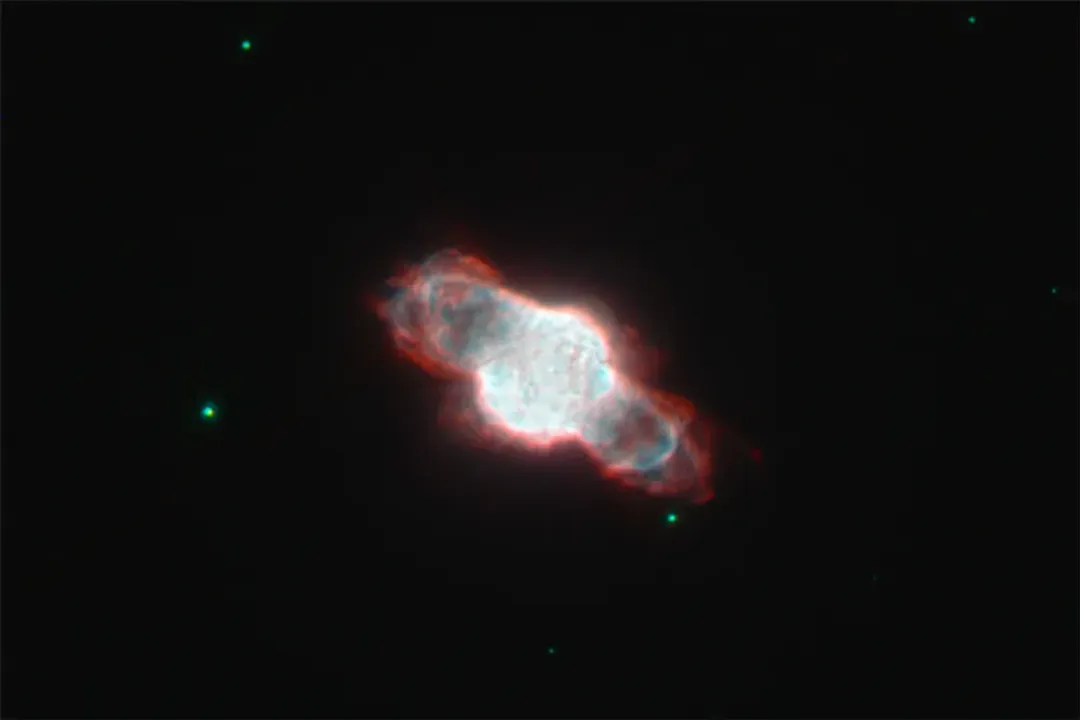
The intense visibility of a planetary nebula stems directly from the energetic output of the central white dwarf remnant. This superheated core emits copious amounts of high-energy ultraviolet (UV) radiation. When this UV light streams into the surrounding, newly expelled gas cloud, it possesses enough energy to knock electrons away from the atoms in the gas, a process known as ionization. Once these ionized atoms eventually recapture an electron, they release the stored excess energy in the form of light specifically at characteristic wavelengths, which results in the vibrant emission spectra observed by astronomers.
#Videos
What Are Planetary Nebulae And How Are They Classified?