Which light-sensitive cells in the retina register faint nebulae views as monochromatic?
Rods
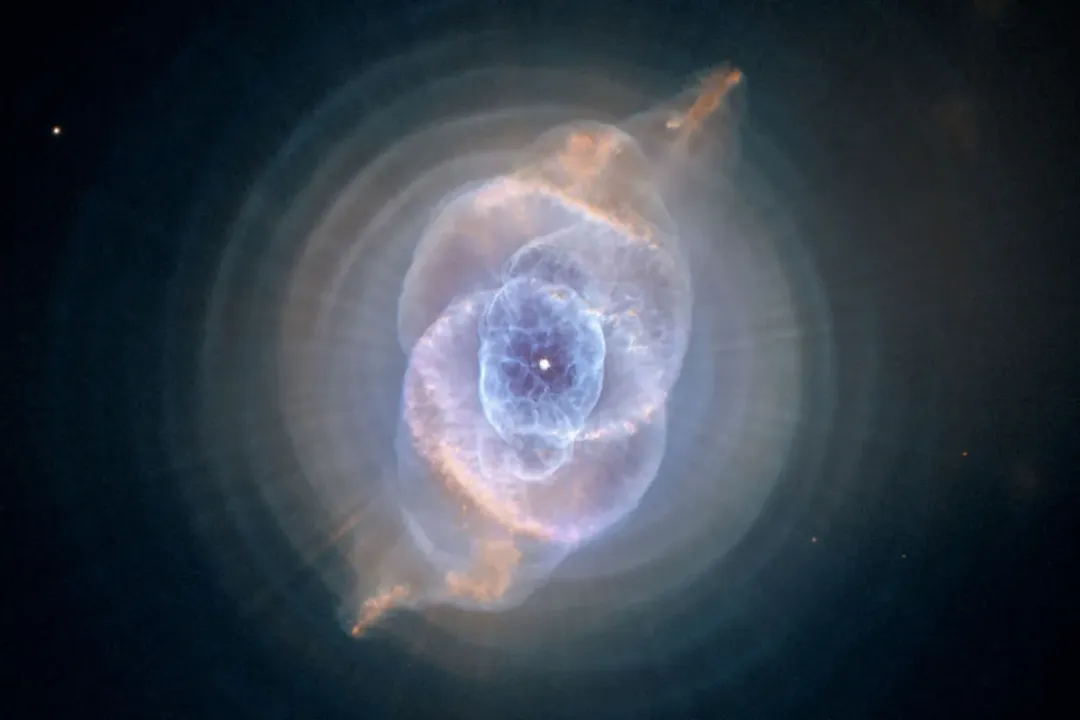
The perception of astronomical objects in extremely low-light conditions is governed by the function of rods within the human retina. Rods are specialized photoreceptor cells that provide scotopic vision, meaning they are exceptionally effective at detecting minimal amounts of light, which is crucial for seeing shapes and movement in the near-total darkness of the night sky. However, a critical trade-off exists: rods lack the mechanism necessary for color discrimination. When observing a dim nebula, the light flux is insufficient to trigger the cones, which handle color perception. Therefore, the object is perceived solely through the activity of the rods, resulting in a monochromatic perception, typically appearing as shades of gray or pale white, regardless of the object's true spectral composition revealed through long-exposure imaging.
#Videos
Can You See Nebulae With the Naked Eye? - Physics Frontier