Why did early astronomers name these objects planetary nebulae?
Answer
They resembled the disks of planets like Uranus through early telescopes.
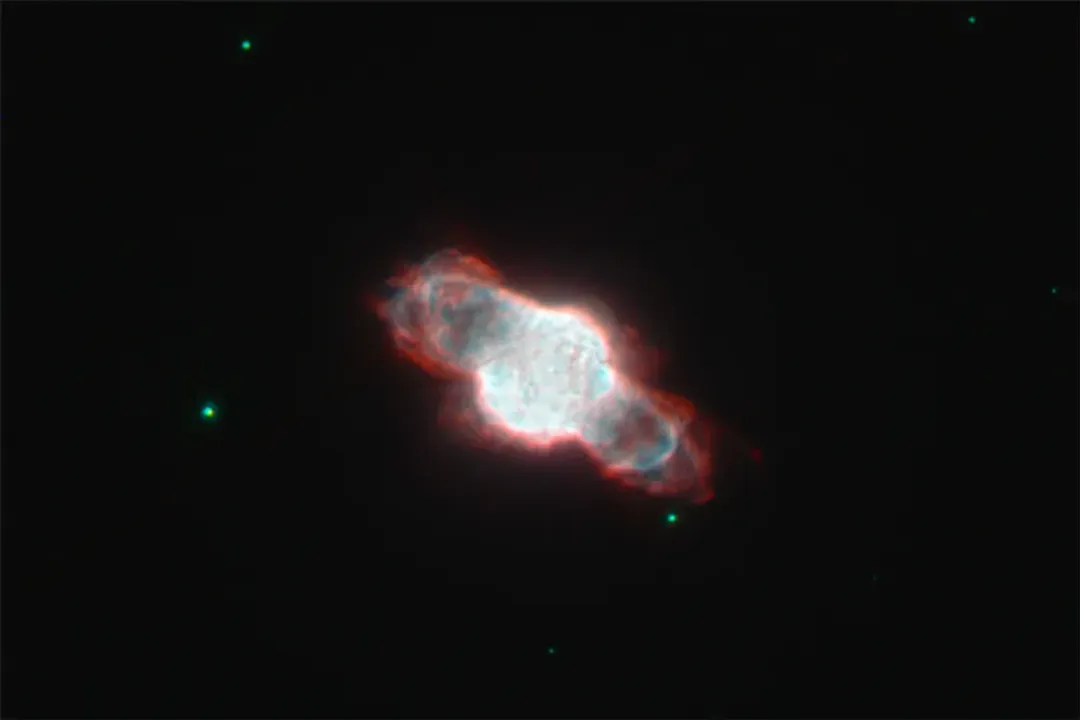
The designation 'planetary nebula' is a historical misnomer originating in the late 18th century. When early astronomers observed these celestial structures using telescopes that lacked high resolution, the objects appeared fuzzy and round. This visual appearance led them to erroneously believe these glowing spheres resembled the familiar, visible disks of planets within the solar system, specifically mentioning objects such as Uranus. In reality, these phenomena are entirely related to the death stages of stars and involve expanding shells of gas and plasma, having no physical connection to planets themselves.
#Videos
What Are Planetary Nebulae And How Are They Classified?
Related Questions
Why did early astronomers name these objects planetary nebulae?What is the typical mass range for stars creating planetary nebulae?What is the brief estimated lifetime for the visible phase of a planetary nebula?What stellar core remains at the center of the expanding planetary nebula?What process converts the energy from the central star into visible light?What influence can a companion star have on a planetary nebula's morphology?What is the immediate precursor phase a medium-sized star enters before shedding its outer layers?What specific element is responsible for the common greenish glow in nebulae?What mechanism involving magnetic fields can funnel escaping material in a nebula?Why does the nebula eventually cease to glow visibly?