Why does the nebula eventually cease to glow visibly?
The central white dwarf's UV emission drops below the energy threshold required to excite the gas.
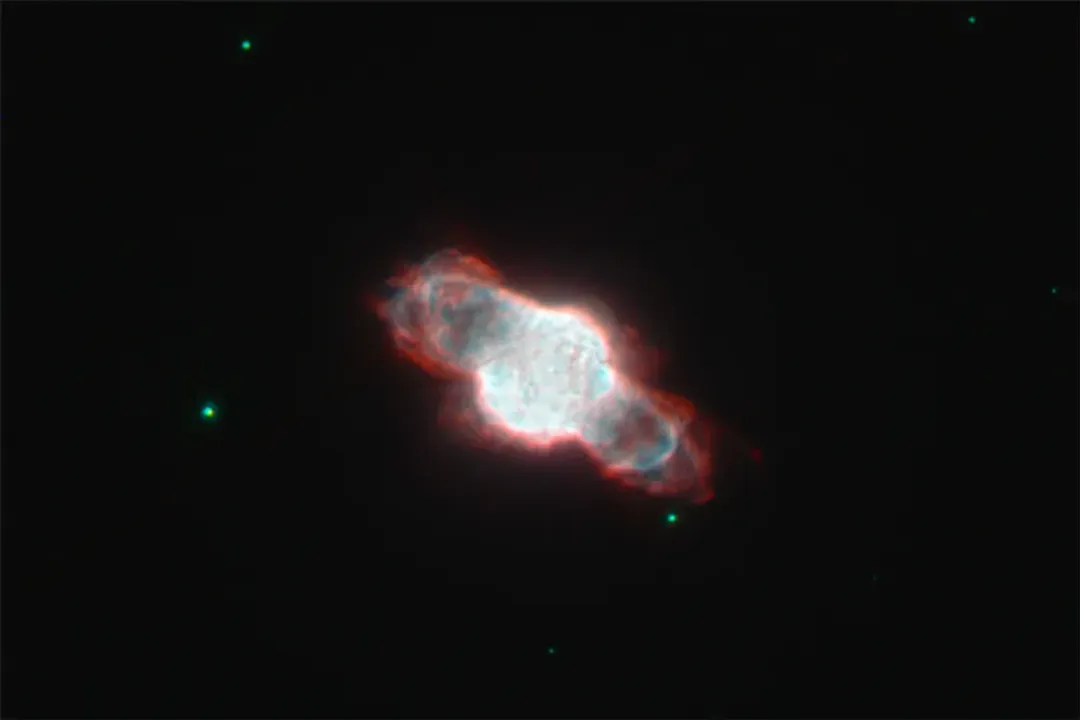
The visibility of a planetary nebula is entirely dependent on the continuous, intense ionizing radiation emitted by the central white dwarf. Although the white dwarf itself cools over millions of years—a process that occurs on a timescale far exceeding the nebula's short life—the critical factor for the nebula's glow is the temperature drop in the remnant core. Eventually, the surface temperature of the white dwarf cools sufficiently that its emitted UV radiation no longer possesses the requisite energy level to strip electrons from the surrounding gas atoms. Once this energy threshold is no longer met, the gas cannot be excited to emit visible light, and the nebula fades into an invisible, cold shell expanding into the interstellar medium.
#Videos
What Are Planetary Nebulae And How Are They Classified?