What primary physical characteristic makes observing nebulae challenging for the human eye?
Low surface brightness
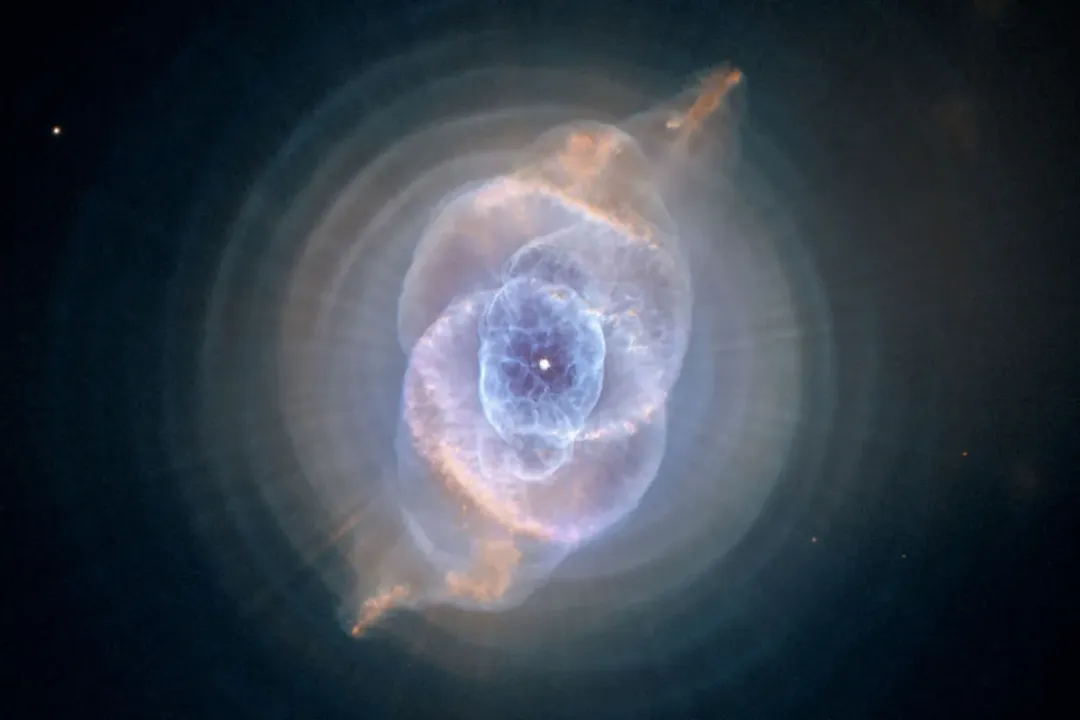
The primary hurdle encountered when trying to view celestial clouds like nebulae directly is their incredibly low surface brightness. Nebulae are massive structures composed of gas and dust spread out over enormous regions of space. While a nebula might radiate a tremendous total amount of energy across its entire span, this light is diffused across a vast apparent area when viewed from Earth. This diffusion means that the amount of light hitting any single point on the retina is minuscule, comparable to the faint glow of the night sky itself or a very dim star. In contrast, a star emits all its light from a tightly concentrated point source. It is this thin spread of light, or low surface brightness, that prevents the human visual system from registering the object distinctly, especially for dimmer targets or those not immediately adjacent to bright stars.
#Videos
Can You See Nebulae With the Naked Eye? - Physics Frontier