Compared to starlight, how does light pollution primarily impact the visibility of nebulae?
It washes out the faint glow of nebulae much faster
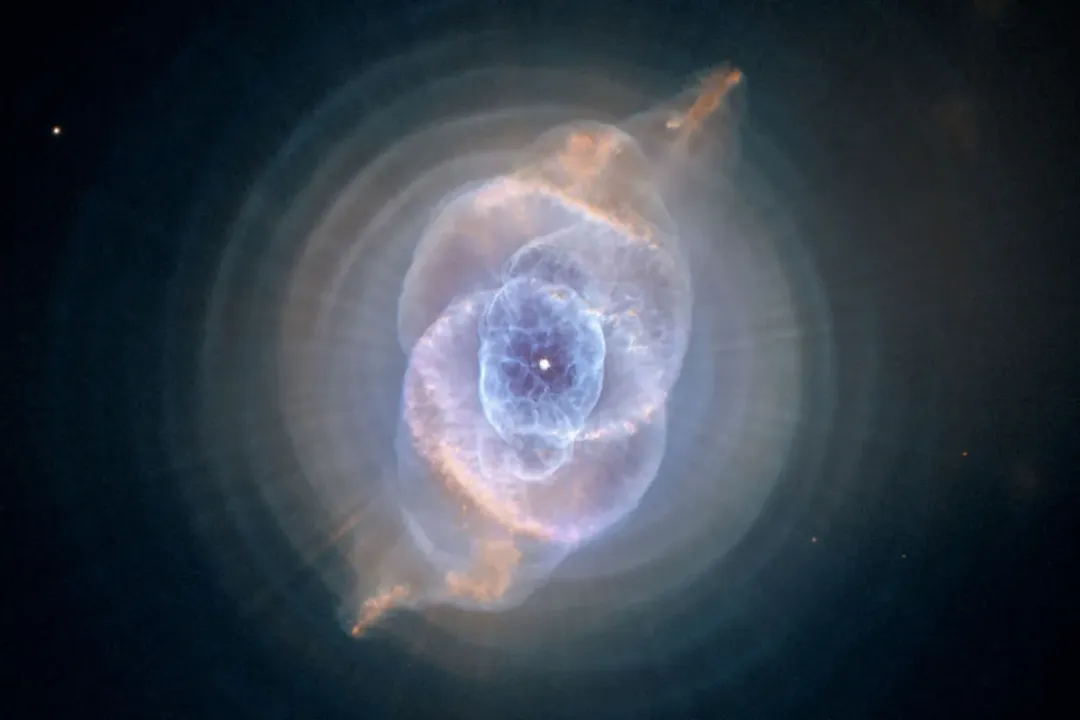
Light pollution poses a critical threat to the observation of faint astronomical objects because of the difference in surface brightness between the object and the skyglow caused by artificial terrestrial lighting. Stars, being concentrated point sources, maintain their visibility far longer even as the sky brightens. However, the diffuse light signature of a nebula—its low surface brightness—is washed out very rapidly by the pervasive background glow of city lights. Therefore, site selection is paramount; a very dark location, far removed from light sources, is essential if an amateur observer hopes to detect the faintest naked-eye targets or bring out subtle structural details using optical aid.
#Videos
Can You See Nebulae With the Naked Eye? - Physics Frontier