Which photoreceptor cells in the human eye are responsible for night vision but perceive the view of faint nebulae only in shades of grey?
Rods, as they are highly sensitive to low light levels but lack the ability to distinguish between different wavelengths.
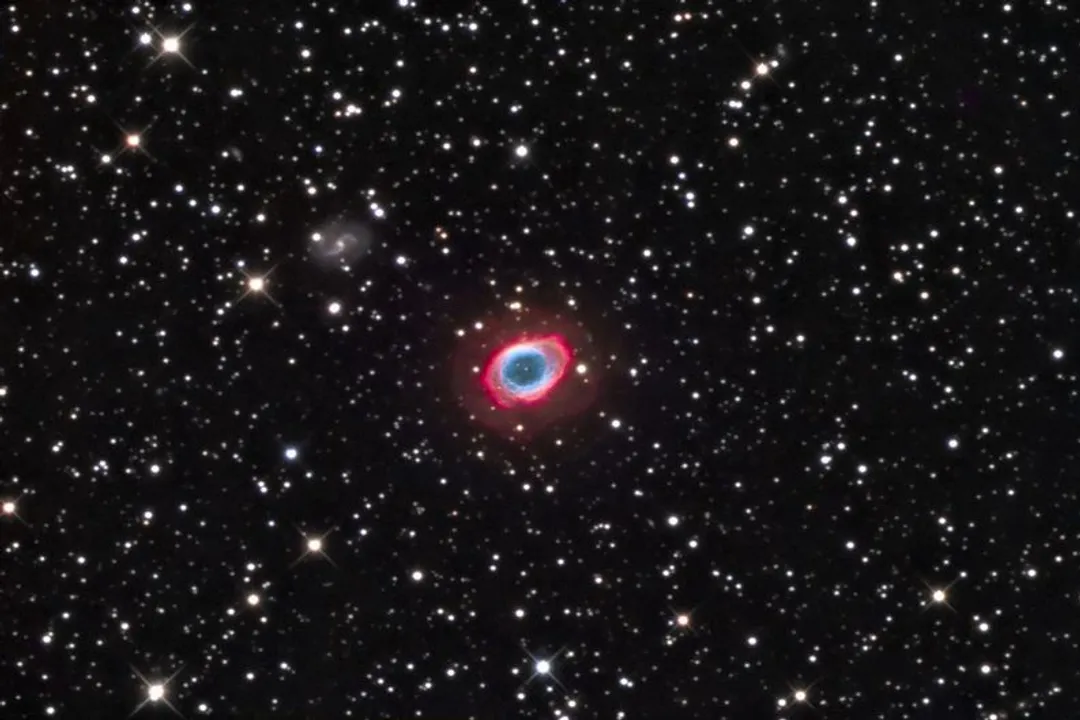
The human eye utilizes two distinct types of photoreceptor cells: cones and rods. Cones are crucial for color vision but demand a significant influx of photons, meaning they only activate effectively in bright light conditions. Conversely, rods are significantly more sensitive to low levels of light, functioning as the primary mechanism for vision in dim environments, such as observing faint celestial targets. The limitation arises because rods do not possess the necessary cellular mechanism to differentiate between various light wavelengths. Therefore, when observing a dim nebula, the light gathered is only sufficient to stimulate the highly sensitive rods, causing the subtle reds from hydrogen-alpha emission or greens from doubly ionized oxygen to appear washed out, resulting in a monochromatic, greyish perception.
#Videos
NASA's Images of Nebulae Have a Glaring Problem - YouTube