What time period must an observer typically wait in darkness before their eyes reach maximum photon sensitivity for observing faint objects?
Answer
Often 20 to 30 minutes.
The physiological process known as dark adaptation is essential for maximizing the eye's ability to detect extremely dim light sources. This adjustment period involves chemical changes within the rod cells, specifically the regeneration of photopigments that react to low light levels. This process is not instantaneous; it requires a substantial amount of time for the eye to reach its peak sensitivity threshold. Observers must rigorously avoid all bright light sources, including illuminated screens or improperly filtered flashlights, for this duration, which is commonly cited as needing 20 to 30 minutes to be fully achieved.
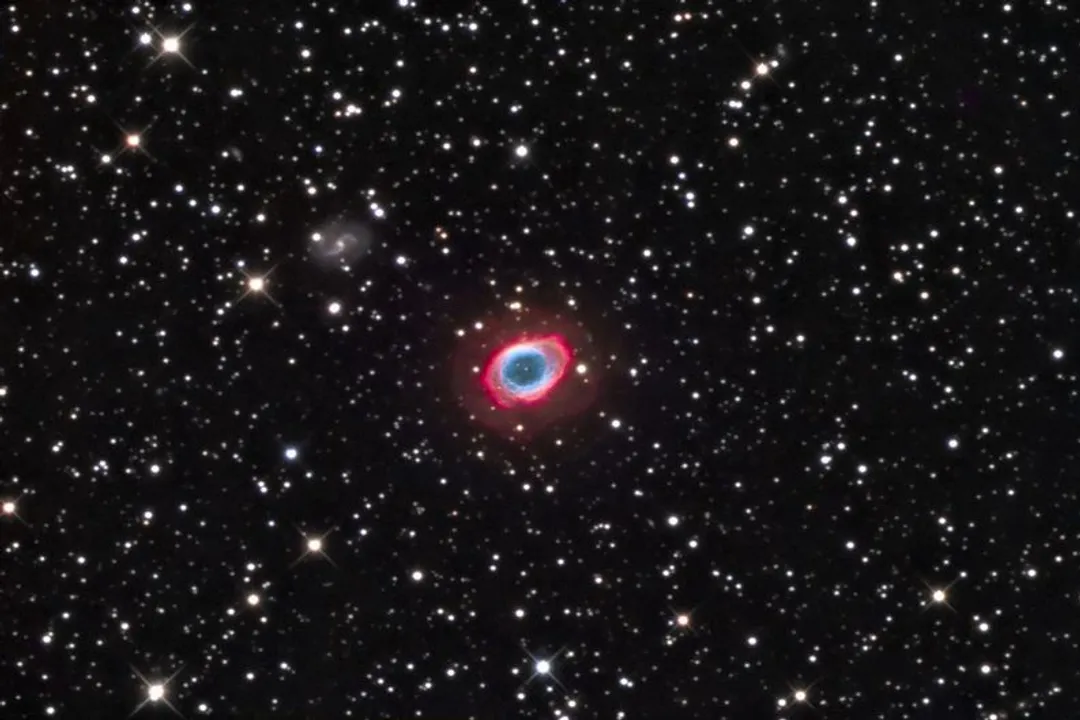
#Videos
NASA's Images of Nebulae Have a Glaring Problem - YouTube
Related Questions
Why do nebulae appear as faint smudges of grey or white visually rather than colorful spectacles?Which photoreceptor cells in the human eye are responsible for night vision but perceive the view of faint nebulae only in shades of grey?For visual astronomy aiming to see faint nebulas, what single piece of equipment is most important for detecting dimmer objects?What is the consequence for visibility when observing an extremely large, faint target with a moderate magnitude?What fundamental technique involves focusing gaze slightly aside from a faint nebula to engage the most sensitive retinal cells?How does light pollution interfere with the observation of low-contrast nebulas like the Orion Nebula?What time period must an observer typically wait in darkness before their eyes reach maximum photon sensitivity for observing faint objects?What detrimental effect occurs if an observer uses an eyepiece that provides 300x magnification on a small telescope when viewing a faint nebula?What distinction in visual experience occurs when comparing viewing the Ring Nebula visually versus through a long-exposure photograph?When observing faint objects, what is the non-linear relationship for M33 visibility between an average observer in suburban skies versus dark skies?