What is the eventual state of a star after the planetary nebula phase ends and the white dwarf cools?
Answer
A black dwarf, which is a cold, dark, inert remnant
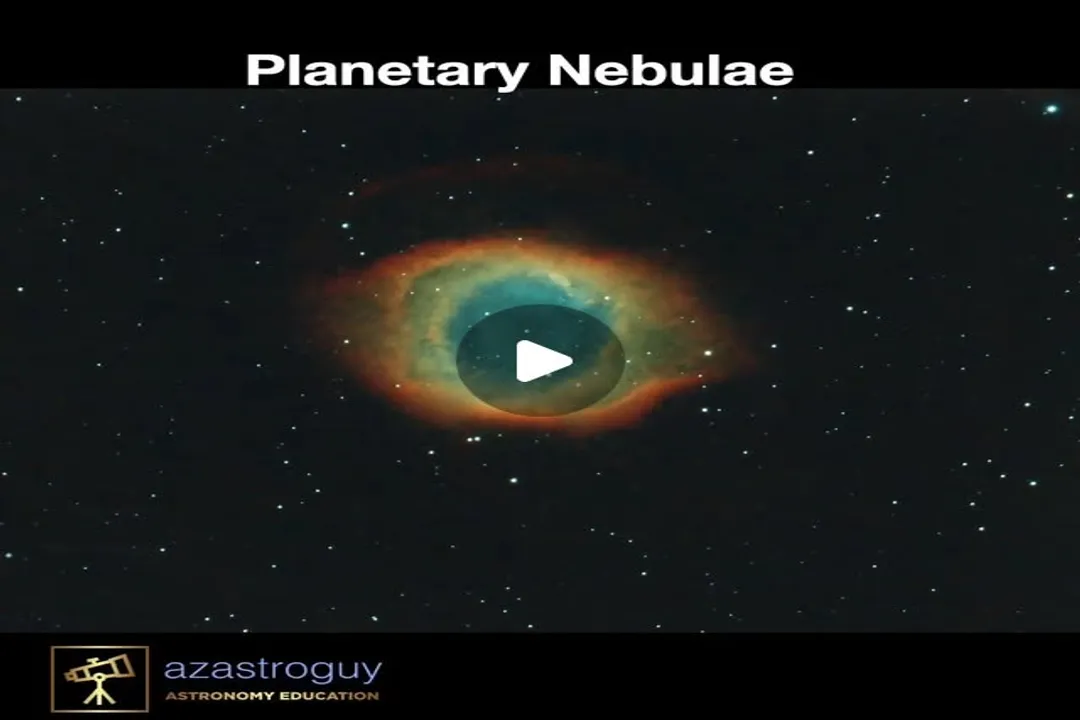
Once the gaseous shell of a planetary nebula has dissipated into space, only the white dwarf remains. Having ceased all nuclear fusion processes, the white dwarf is no longer capable of generating new energy. Over a period spanning billions of years, it gradually radiates away its stored heat. Ultimately, it reaches a state where it is cold, dark, and inert, known as a black dwarf, marking the final stage of its evolution.
Related Questions
Why is the term planetary nebula considered a misnomer in modern astronomy?What specific type of stellar object sits at the center of a planetary nebula?During which phase of stellar evolution does a star shed its outer layers to create a planetary nebula?What physical process allows the gases in a planetary nebula to glow with visible light?Why does a white dwarf appear white to human observers?What is the primary function of an Oxygen-III filter when observing a planetary nebula?How long does the planetary nebula phase typically last in the lifespan of a star?What is the eventual state of a star after the planetary nebula phase ends and the white dwarf cools?How does the mass and density of a white dwarf compare to the star it originated from?What is the future outlook for our Sun based on the life cycle of stars that form planetary nebulae?