What physical process allows the gases in a planetary nebula to glow with visible light?
Answer
Ionization of gas atoms by ultraviolet radiation from the white dwarf
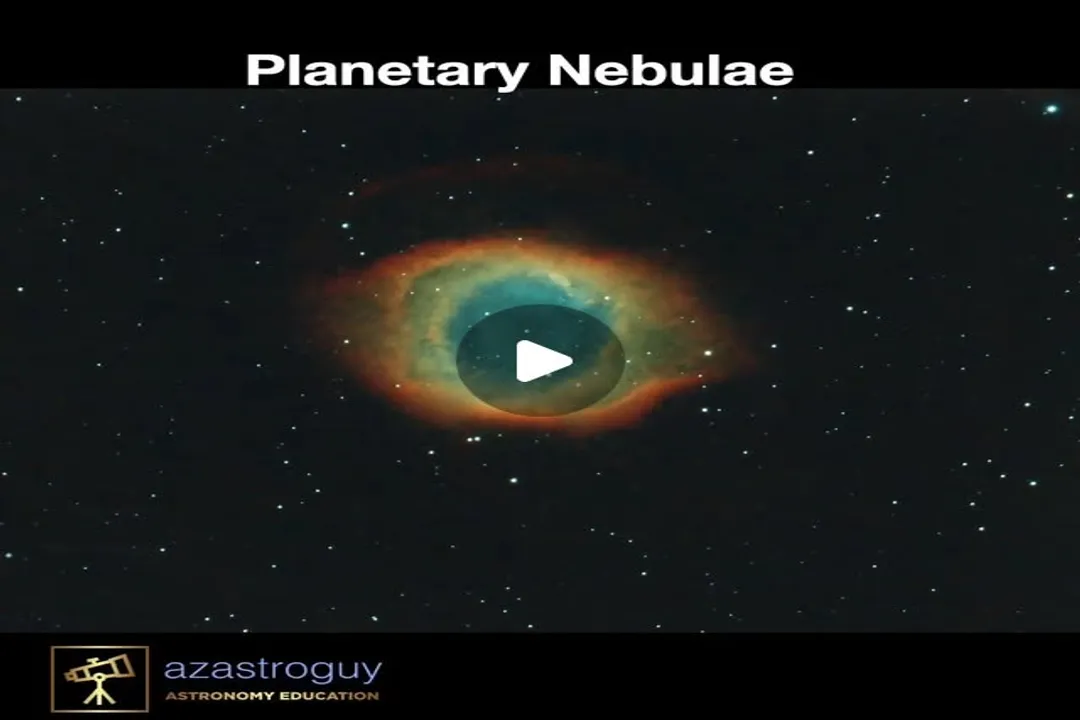
The vibrant colors observed in planetary nebulae are the result of ionizing radiation. The white dwarf at the center emits intense ultraviolet radiation as it cools. This radiation travels outward and collides with the previously ejected gaseous cloud. These collisions strip electrons from the atoms in the gas, a process called ionization. When these ionized atoms capture electrons back, they release energy in the form of visible light, with different elements producing different colors.
Related Questions
Why is the term planetary nebula considered a misnomer in modern astronomy?What specific type of stellar object sits at the center of a planetary nebula?During which phase of stellar evolution does a star shed its outer layers to create a planetary nebula?What physical process allows the gases in a planetary nebula to glow with visible light?Why does a white dwarf appear white to human observers?What is the primary function of an Oxygen-III filter when observing a planetary nebula?How long does the planetary nebula phase typically last in the lifespan of a star?What is the eventual state of a star after the planetary nebula phase ends and the white dwarf cools?How does the mass and density of a white dwarf compare to the star it originated from?What is the future outlook for our Sun based on the life cycle of stars that form planetary nebulae?