In processed astronomical images, how is the true spectral signature of an emission nebula revealed?
Answer
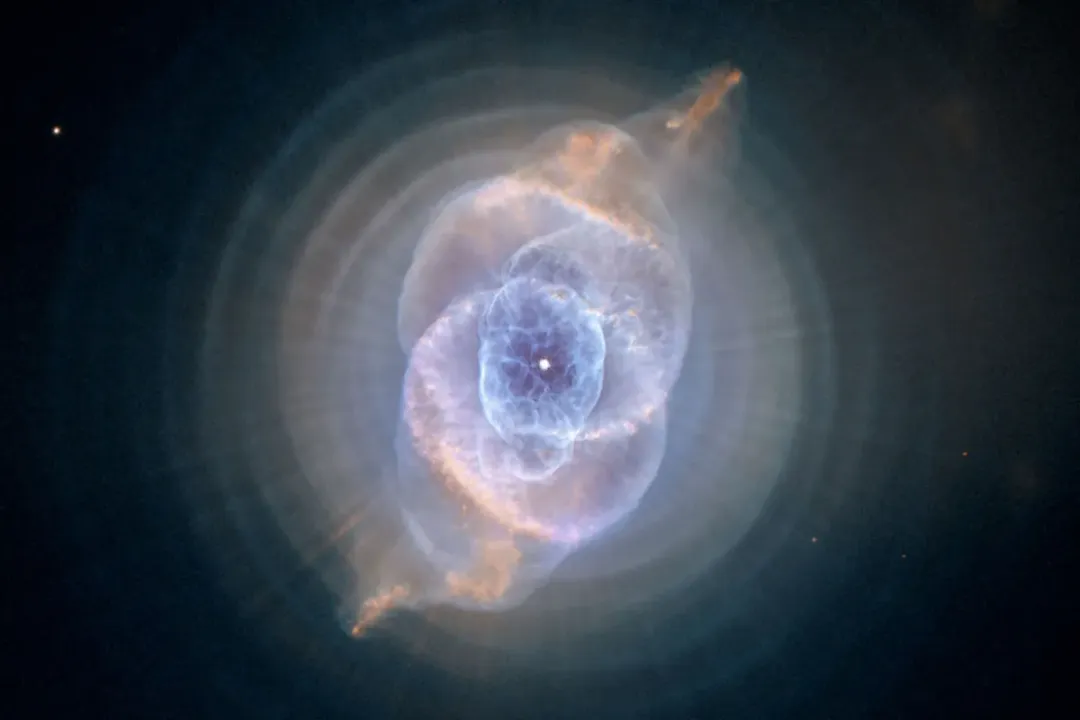
Software assigns specific captured wavelengths (like ionized hydrogen red) to visible color channels
A specialized camera sensor captures distinct wavelengths emitted by gases, and then software assigns those specific light signals to visible color channels (like red, green, or blue) to reveal the true spectral signature of the gas.
Related Questions
What is the typical direct visual experience of a bright nebula like M42 for an amateur astronomer?Which type of cell in the human retina is responsible for color perception but requires a relatively high light intensity to activate?Why does the view of a faint nebula appear monochromatic or grayish to the human eye in real-time viewing?What characterizes the photographs used to showcase breathtaking images of nebulae from space telescopes?In processed astronomical images, how is the true spectral signature of an emission nebula revealed?What is the primary purpose of 'stacking' multiple short exposures when creating deep-sky images?If one were positioned inside a typical nebula, what would the view likely be like due to material density?Which viewing technique exploits the superior faint-light sensitivity of the peripheral retina over the center?How long should an observer allow their eyes to adjust to darkness to maximize the sensitivity of rod cells?What is the primary role of a powerful amateur telescope when viewing faint nebulae through the eyepiece?