Why do reflection nebulae often appear distinctly blue to observers or telescopes?
The scattering process redirects shorter wavelengths, specifically blue light, more effectively than longer, redder wavelengths.
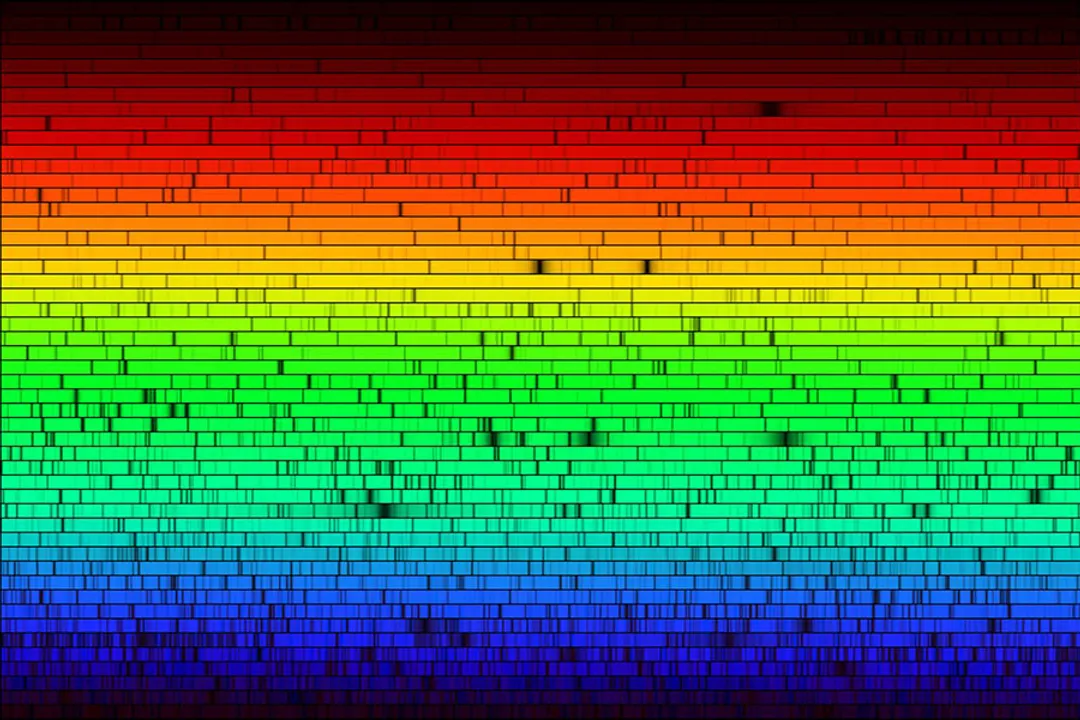
Reflection nebulae shine because they scatter the light from a nearby star that is bright but not hot enough to cause ionization in the surrounding gas. The fine dust particles within these clouds interact with the starlight through scattering. This scattering mechanism is highly wavelength-dependent; shorter wavelengths, such as blue light (the blue end of the visible spectrum), are redirected much more efficiently in all directions than longer wavelengths like red light. This preferential scattering of blue light towards the observer is analogous to the atmospheric effect that makes Earth's sky appear blue, resulting in the characteristic blue appearance of reflection nebulae.