What process involving high-energy ultraviolet radiation makes an emission nebula glow?
Ionization, where electrons are stripped from atoms, which then release light upon recombination.
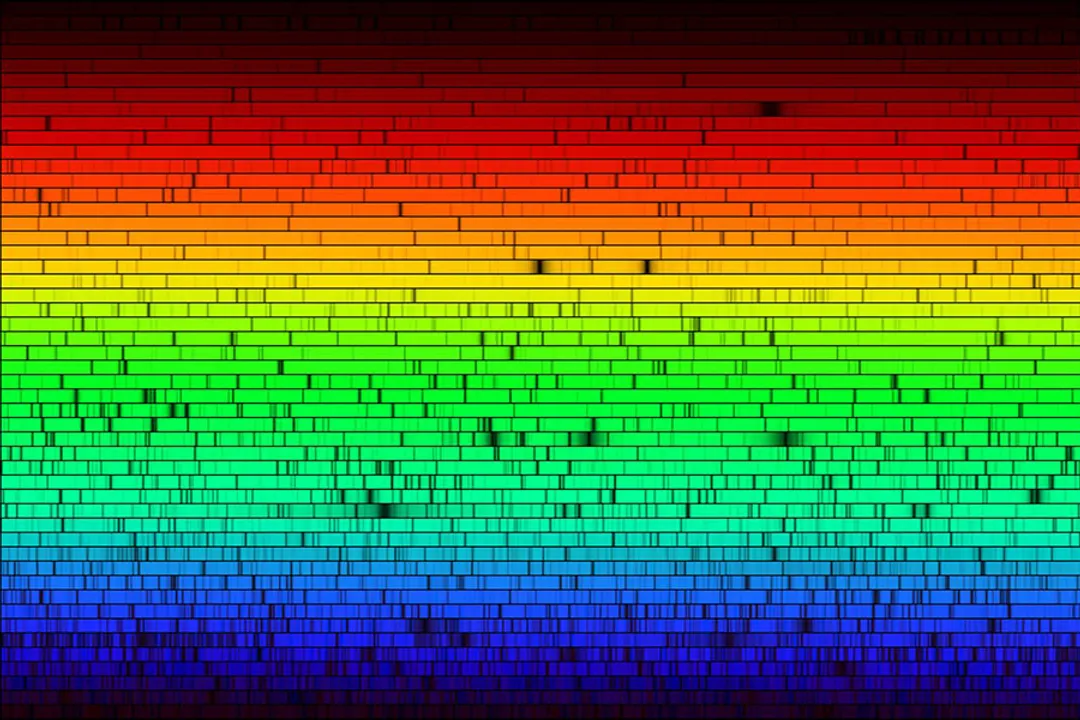
Emission nebulae become visible because the gas within them actively produces its own light. This occurs when intensely hot, massive, young stars situated nearby bombard the surrounding gas cloud with high-energy ultraviolet radiation. This energetic radiation has enough power to strip electrons away from the gas atoms, a process termed ionization, effectively turning the gas into an ionized plasma. As these liberated electrons eventually slow down and recombine with the positively charged atomic nuclei, they release the excess energy they possessed in the form of light emitted at specific, characteristic wavelengths, causing the nebula to glow visibly.