How does long-exposure astrophotography reveal faint emission nebulae structures?
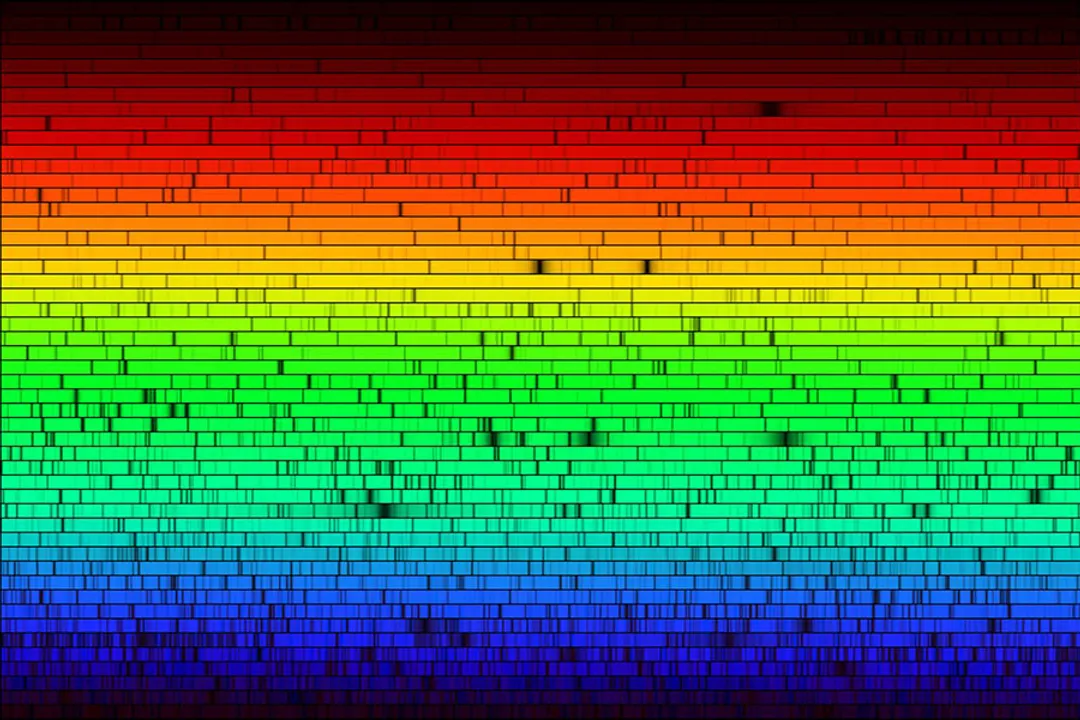
Specialized narrow-band filters isolate specific light signatures from atomic transitions, allowing the sensor to integrate photons over many hours.
The human eye has a limitation in integrating light over time, making faint light sources difficult to perceive instantly. Faint emission nebulae produce light concentrated in very specific, narrow spectral lines corresponding to atomic transitions. Modern astrophotography overcomes the visual limitation by employing narrow-band filters precisely tuned to capture only these specific wavelengths. By allowing the camera sensor to gather photons continuously over periods lasting many minutes or hours, the faint, characteristic light signature accumulates, resulting in vibrant, detailed images of structures completely invisible to the naked eye in real-time observation.