How does the long, slow arc near apoapsis impact mission planning for spacecraft in HEOs?
It consumes the vast majority of the orbital period, requiring controllers to wait many hours for contact.
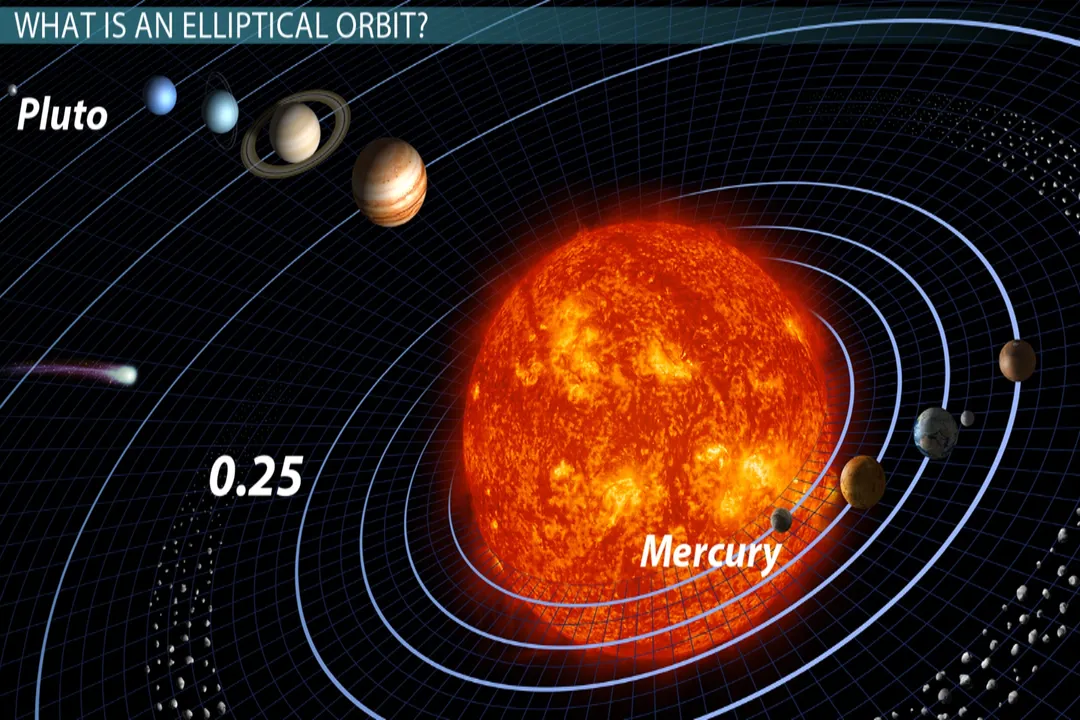
For spacecraft utilizing a Highly Elliptical Orbit (HEO), mission control planning is heavily influenced by the speed dynamics governed by Kepler's laws. Because the orbital speed is minimal when the spacecraft is near apoapsis (farthest point), the time taken to traverse this long, slow arc represents the vast majority of the total orbital period. This results in extended periods where the satellite is moving slowly over the targeted region, providing long coverage windows, but also meaning that mission controllers must endure long waiting times—many hours—between these useful contact windows when the object swings back toward perigee.
#Videos
Elliptical Orbits - Brain Waves - YouTube