What is another name for a space Traveller?
The search for an alternative designation for someone who travels through space yields a surprisingly diverse lexicon, ranging from the officially sanctioned to the purely descriptive. When looking for a name for a space traveller, one immediately encounters terms heavily weighted by history, nationality, and the specific program under which the person flew. [3][6] While the general concept is clear—a person traversing the void beyond Earth’s atmosphere—the specific label often tells a subtle story about who sent them and where they are going. [6]
# Core Designations
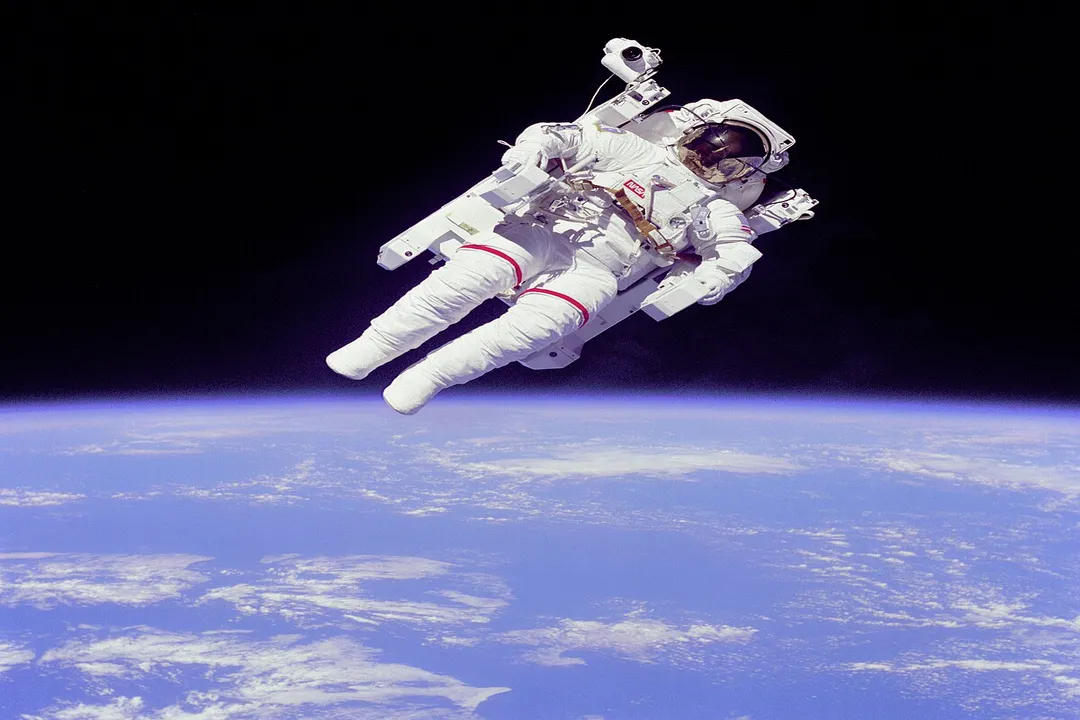
The two most recognized and established terms for a space traveller in the modern era are astronaut and cosmonaut. [3][6] These are not interchangeable in every context; they carry significant historical baggage rooted in the space race between the United States and the Soviet Union. [6] An astronaut is fundamentally defined as an individual trained to command, pilot, or serve as a crew member aboard a spacecraft. [3][5][7] Vocabulary.com captures this simply as a traveler in space. [7]
# Defining Astronaut
The term astronaut is widely adopted, particularly in English-speaking contexts affiliated with NASA and other Western space agencies. [3] Collins Dictionary lists it directly as a synonym for a space traveler. [5] The term’s etymology derives from the Greek words ástron (star) and nautēs (sailor), literally meaning "star sailor". [3] This framing evokes an age of exploration, positioning the space traveller as a nautical pioneer navigating a new, stellar sea. [3]
When considering the professional requirements, the term implies a highly specialized individual. It is not a casual label for anyone who has merely gone to the edge of space, but rather someone who has undergone rigorous selection and training for orbital or deep-space missions. [3]
# Russian Names
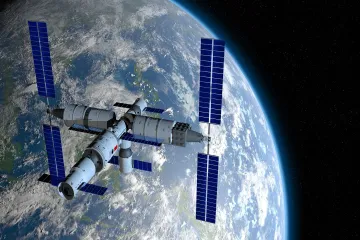
In direct parallel to the American astronaut is the Russian term, cosmonaut. This nomenclature originates from the Soviet space program. [3][6] Similar to its counterpart, cosmonaut blends Greek roots: kosmos (universe) and nautēs (sailor), meaning "universe sailor". [3] Historically, if a person flew under the Soviet or Russian space agency (Roscosmos), they were designated a cosmonaut. [6]
This split highlights a fascinating geopolitical linguistic convention. Functionally, a cosmonaut performs the same duties as an astronaut—operating systems, conducting experiments, and navigating orbit—yet the name itself serves as a continuous marker of national origin or affiliation in spaceflight documentation. [6] While modern international cooperation, such as on the International Space Station (ISS), has seen crews composed of both, the traditional titles often persist based on the training center and agency of record. [6]
# Descriptive Synonyms
Beyond the official, nationality-linked titles, the language offers several descriptive terms that capture the essence of space travel, found in various thesauri and community discussions. [1][2][9] These often lean toward being more evocative or poetic, though sometimes they are less precise.
One straightforward alternative is spacefarer. [2] This term is less tied to specific national programs and implies a long or habitual traveler across space, much like a seasoned mariner. [2] Another, perhaps more informal, term is spaceman. [1] While historically used, it carries a slight echo of earlier, perhaps less technical, eras of space exploration. [1][4]
Discussions among enthusiasts sometimes yield highly specific or creative alternatives. Terms like celestial navigator or sky pilot appear in synonym lists, suggesting a more romantic or even antiquated view of the role. [1] While sky pilot might sound closer to an early aviator, its inclusion in synonym databases for space travellers suggests a degree of overlap in public imagination between high-altitude flight and true space travel. [1]
For those focused purely on the act of leaving Earth's gravity, terms like flyer are sometimes listed, though this is quite generic. [2] More specific actions lead to terms like spacewalker, which describes someone performing Extravehicular Activity (EVA), a specific task of a space traveller rather than a job title itself. [1]
Here is a summary of the formality and context of several common designations:
| Designation | Formality Level | Primary Association | Connotation |
|---|---|---|---|
| Astronaut | High/Official | NASA/Western Programs | Star Sailor, Professional Crew Member |
| Cosmonaut | High/Official | Roscosmos/Soviet Programs | Universe Sailor, Professional Crew Member |
| Spacefarer | Medium/Descriptive | General | Seasoned Traveler, Long-duration flights |
| Spaceman | Low/Historical | General/Older Media | General, slightly dated term |
| Celestial Navigator | Low/Poetic | None specific | Guiding journeys through the stars |
This comparison illustrates that while all these roles involve a "traveller," the selection of the word often dictates whether the listener assumes rigorous military/engineering training (Astronaut/Cosmonaut) or simply the act of moving through the cosmos (Spacefarer). [2][3]
# Beyond Earth Orbit
As space travel extends past simple Earth orbit and towards the Moon, Mars, or beyond, the utility of the existing terms comes into question. While astronaut remains the default for many international agencies, the need for a term specifically denoting interplanetary travel is becoming more pressing. [6] A person residing for months on a Martian base would still technically be an astronaut, but the challenges and skill sets change significantly from short-duration low-Earth orbit missions. [4]
When communities debate the best name, they often look for terms that encapsulate the sheer distance and time commitment involved in deeper space missions. For instance, some might suggest Interplanetary Traveller or Xenonaut (stranger/alien sailor), though these lack the official recognition held by astronaut and cosmonaut. [4] The very nature of space travel—being an explorer in a new environment—means the vocabulary will continue to evolve as our destinations change. [4] Currently, there is no universally agreed-upon, official designation for someone who has left the vicinity of Earth for long-term assignments elsewhere in the solar system, meaning astronaut continues to serve as a catch-all. [3][6]
# The Visitor Status
Another interesting linguistic subset addresses the perspective of the traveller relative to the destination. While astronaut implies a person from Earth traveling out, one could also consider names describing someone visiting from space, or a visitor from space. [1] This shift in perspective is rarely used for active crew members but highlights how language can frame the traveler as either the pioneer or the outsider, depending on the context of the narrative. [1] For example, a non-human traveler from another star system would certainly be a visitor from space, but the term could also apply conceptually to a human who has spent so long off-world that they no longer identify primarily as an Earth-bound resident. This philosophical distinction between an explorer who returns and a resident who leaves remains largely untapped by official nomenclature.

# Formal Versus Informal Application
The choice between these words often comes down to the setting. In a technical report or mission briefing, precision reigns: astronaut or cosmonaut based on agency affiliation will be used. [6] In popular culture, science fiction, or general discussion, the terms become more fluid. [4] A science fiction writer might opt for starfarer or void-sailor to establish a specific tone for their narrative. [2] The informal synonyms like spaceman or flyer are useful for maintaining a conversational rhythm when discussing the general concept without needing to reference a specific person's training or mission history. [1][5] For any general writer or speaker aiming for clarity and accuracy regarding current space programs, sticking to astronaut for Western-trained personnel and cosmonaut for Russian-trained personnel remains the safest method, while recognizing that space traveller serves as the perfect umbrella term to cover both without needing to parse historical allegiance. [3][6] The fact that organizations like NASA have, at times, suggested that a person who flew on a commercial spacecraft might simply be a commercial space flyer shows a slight inclination toward functional description when traditional titles don't perfectly fit new private sector arrangements. [2][4]
#Videos
Why Do We Call Them 'Astronauts'? - YouTube
Related Questions
#Citations
What is another word for "space traveler"? - WordHippo
SPACE TRAVELER Synonyms: 159 Similar Words & Phrases
Astronaut - Wikipedia
What's the best name for space travellers? | CivFanatics Forums
Synonyms of ASTRONAUT | Collins American English Thesaurus
Cosmonauts and Astronauts - Space Exploration Stack Exchange
Astronaut - Definition, Meaning & Synonyms - Vocabulary.com
Why Do We Call Them 'Astronauts'? - YouTube