What did we do about the flaw in the Hubble Space Telescope?
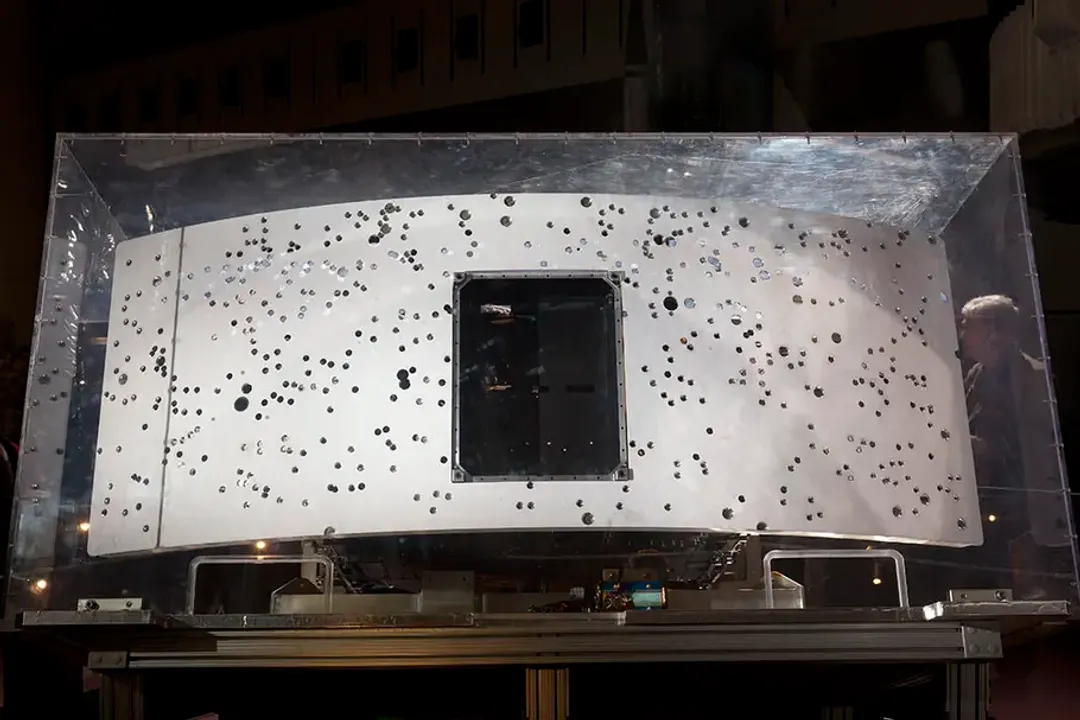
The initial triumph surrounding the launch of the Hubble Space Telescope in April 1990 quickly morphed into an unexpected crisis. The world’s most sophisticated eye in space, designed to deliver unprecedented clarity of the distant universe, was instead sending back images that were frustratingly blurry. This was not a mere calibration drift or a temporary software glitch; the problem was fundamental, traced directly back to the telescope’s gigantic primary mirror. The scientific community faced a monumental challenge: how to correct a flaw in an instrument orbiting hundreds of kilometers above Earth, an undertaking that required the invention of entirely new methods of in-space servicing.
# Mirror Error
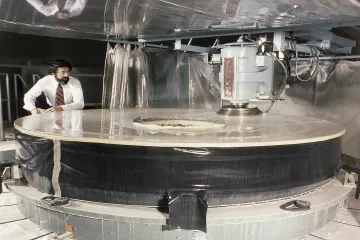
The genesis of the problem lay deep within the manufacturing process of the primary mirror itself. The mirror, measuring 2.4 meters across, was ground to specifications that were almost perfect. The issue, however, was a critical error in the polishing process that introduced a precise imperfection. Specifically, the edge of the mirror was ground too flat by approximately 2 micrometers—an amount barely thicker than a human hair.
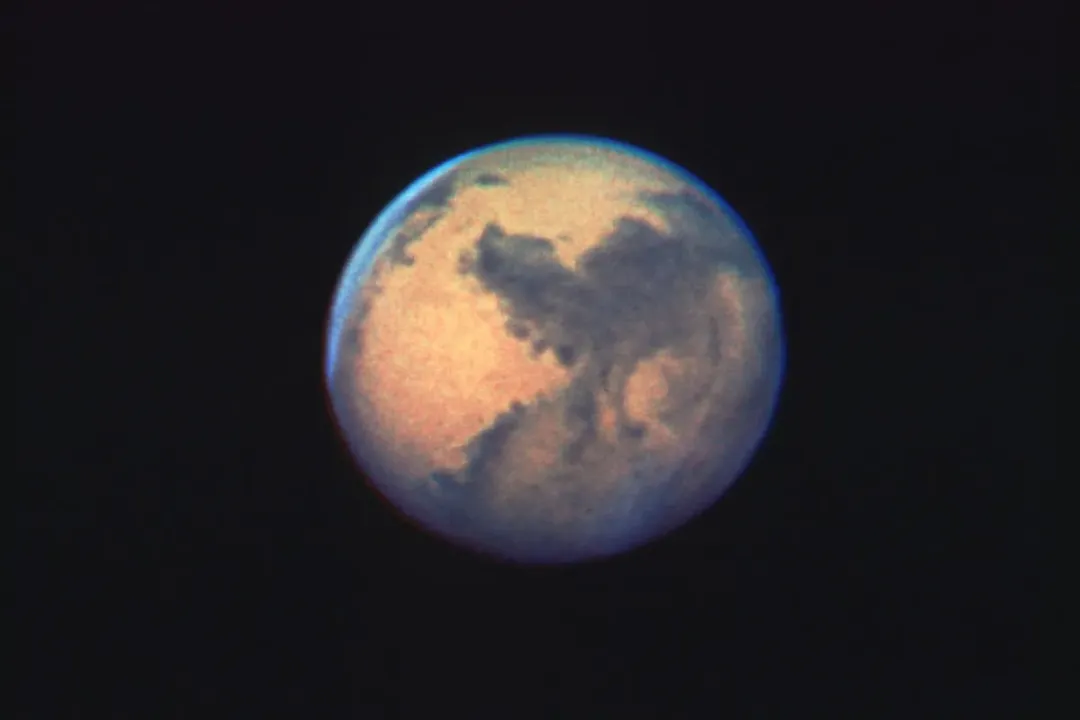
This tiny deviation, measured in millionths of a meter, had disastrous consequences for a light-gathering instrument operating across cosmic distances. The flaw resulted in what is known as spherical aberration. In layman's terms, light rays hitting the outer edge of the mirror were focused at a different point than the light rays hitting the center, causing the resulting images to lack a sharp focus. Instead of pinpoint stars, ground zero for the scientific community was receiving fuzzy, unfocused data, severely compromising the telescope’s intended performance. It was as if the most expensive, advanced camera ever built had been fitted with the wrong prescription lens.
# Optical Flaw
Understanding the nature of the spherical aberration is key to appreciating the ingenious solution that followed. Because the error was systematic—the entire edge surface was consistently too flat—it meant that the light path distortion was predictable, even if the initial error was devastating. This predictability proved to be the saving grace, transforming an uncorrectable disaster into a solvable engineering problem.
The situation was not helped by the fact that the initial instruments designed to capture the corrected light were entirely dependent on the perfect focus provided by the primary mirror. The initial Wide Field and Planetary Camera (WF/PC), for instance, was designed assuming perfect input. When the flawed light entered this instrument, the resulting image was unusable for the most demanding scientific objectives. The initial assessment revealed that the images were blurred, a condition that baffled many until painstaking analysis, cross-referencing ground-based tests with the first delivered space imagery, confirmed the mirror shape was the culprit. For a project of this magnitude, the failure to catch such an error during ground testing—which occurred because the testing apparatus itself was assembled incorrectly, mirroring the mirror's error—represents a humbling lesson in verification processes.

# Contingency Planning
While the engineering mistake was rooted in ground testing, the immediate response by NASA and its partners involved incredible quick thinking to develop solutions that could be implemented remotely. The initial challenge was overcoming the optical defect without replacing the massive primary mirror itself, which was simply impossible given the telescope's location. The solution centered on introducing corrective optics after the light had already reflected off the flawed primary mirror but before it reached the scientific sensors.
Engineers developed two primary strategies to deal with the various instruments onboard. One approach involved creating completely new instruments that had the necessary corrective optics built directly into their optical train. The second, and perhaps most ambitious, involved creating a separate, standalone corrective device to service the instruments that couldn't be replaced or upgraded immediately.
The development and fabrication of these correction systems became a race against time, involving engineers from institutions like the Space Telescope Science Institute and companies who had built the original components. This planning phase itself was a testament to the foresight of the original mission planners, who had included the possibility of servicing the telescope, an unusual and expensive feature for a satellite. This foresight meant that while the corrective solution hadn't been designed yet, the ability to send astronauts up to install new hardware certainly had.
It is fascinating to consider the engineering constraint that drove the two-pronged solution. The WFPC2 (Wide Field and Planetary Camera 2), which was slated for installation during the first service mission, was designed with its own corrective mirrors built in, effectively making it immune to the primary mirror's aberration for its field of view. However, other existing or planned instruments, like the Faint Object Spectrograph and the Goddard High Resolution Spectrograph, required a universal fix. This distinction between fixing per instrument versus fixing the entire optical path highlights a key difference in design philosophy: whether to treat the flaw instrument-by-instrument or systemically. The decision to pursue both paths—building a universal corrector and new self-correcting cameras—demonstrates an exceptional level of engineering redundancy, ensuring that failure of one patch wouldn't doom the entire scientific payload.
# Corrective Optics
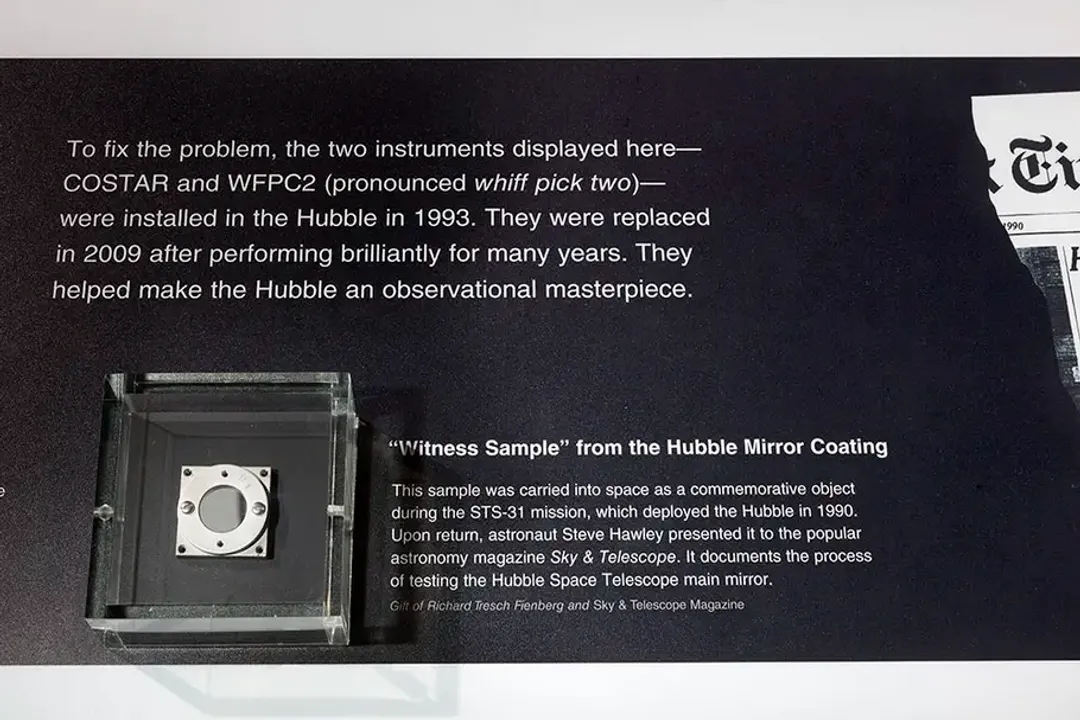
The centerpiece of the systemic correction was the COSTAR instrument, an acronym for Corrective Optics Space Telescope Axial Replacement. COSTAR was essentially a sophisticated optical bench containing five precisely positioned, tiny, highly polished mirrors. These mirrors were designed to intercept the light cone coming from the primary mirror, intercepting the aberrated light, and bending it back into the perfect focus required by the instruments it served. The specifications for these correction mirrors were incredibly tight; their surfaces had to be polished to an accuracy perhaps ten times greater than the primary mirror that had caused the issue in the first place.
Think of the difference in scale required: the original error was 2 micrometers flat across the entire 2.4-meter surface. The corrective mirrors, however, had to compensate for this minute deviation while maintaining the integrity of the incoming light's position, angle, and chromatic properties, all while being inserted into an already focused beam path. This level of precision engineering applied to a component destined for space repair speaks volumes about the expertise NASA could call upon. The COSTAR unit was designed to slot into one of the telescope’s axial instrument bays, replacing the original Solar Ultraviolet Occultation Project (SUOP) instrument.
The other part of the solution was the installation of the Wide Field and Planetary Camera 2 (WFPC2). This new camera had its own set of corrective mirrors integrated into its internal optical path, effectively neutralizing the spherical aberration for whatever light it captured. By installing WFPC2 and COSTAR, NASA was strategically addressing the most critical scientific needs while simultaneously deploying a systemic patch.
# Astronaut Repair
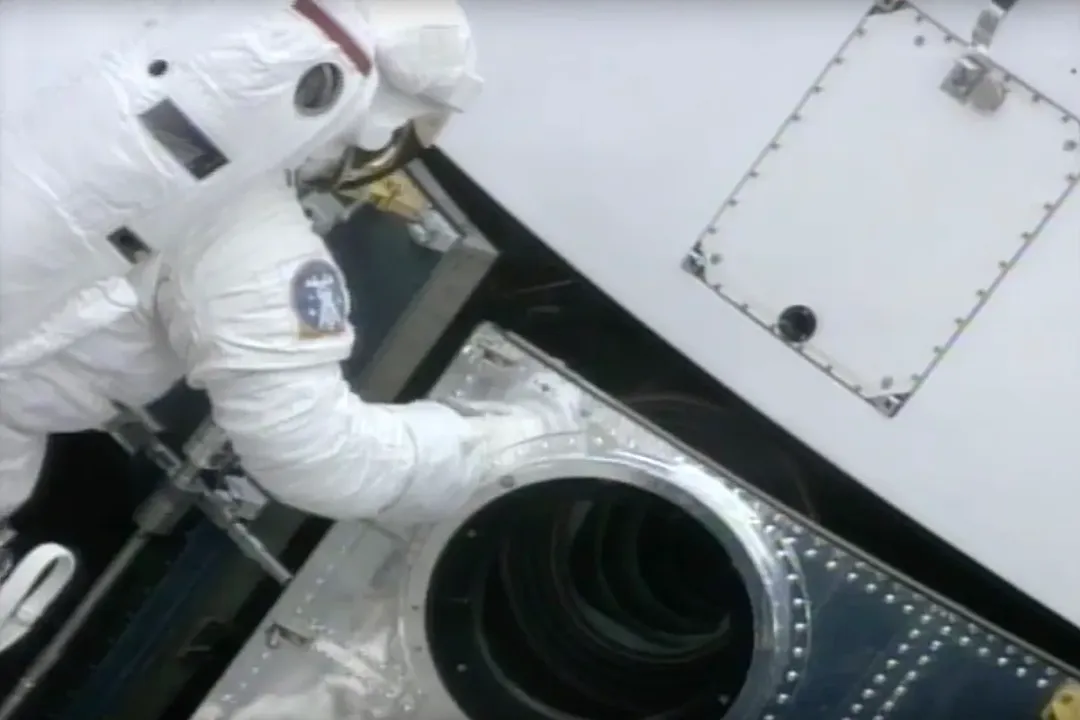
The physical implementation of the fix required the very capability that made the whole project possible: on-orbit servicing via the Space Shuttle. The first Hubble Servicing Mission, designated SM1, launched in December 1993. The mission was a highly complex and risky undertaking, involving multiple Extravehicular Activities (EVAs), or spacewalks, by the astronaut crew.
The crew had to perform delicate, high-stakes operations, including removing the flawed WFPC and installing the new WFPC2, and then installing the COSTAR unit. Astronauts worked in the vacuum of space, guided by mission control on Earth, with only the precision of their tools and their own training to rely on. The sheer audacity of sending humans to operate a complex optical laboratory in orbit cannot be overstated. Failure during any single step of the installation—a dropped tool, a misplaced connector, or a misaligned bolt—could have resulted in the permanent impairment of the telescope, wasting billions of dollars and years of scientific promise.
The process of replacing instruments was meticulous. Astronauts had to secure themselves outside the orbiter payload bay, carefully disconnecting power and data lines, unbolting the old units, and then precisely seating the new hardware. The success of these EVAs, involving careful coordination between the crew and Mission Control in Houston, is often cited as one of the greatest demonstrations of human ingenuity in space operations.
# Vision Restored
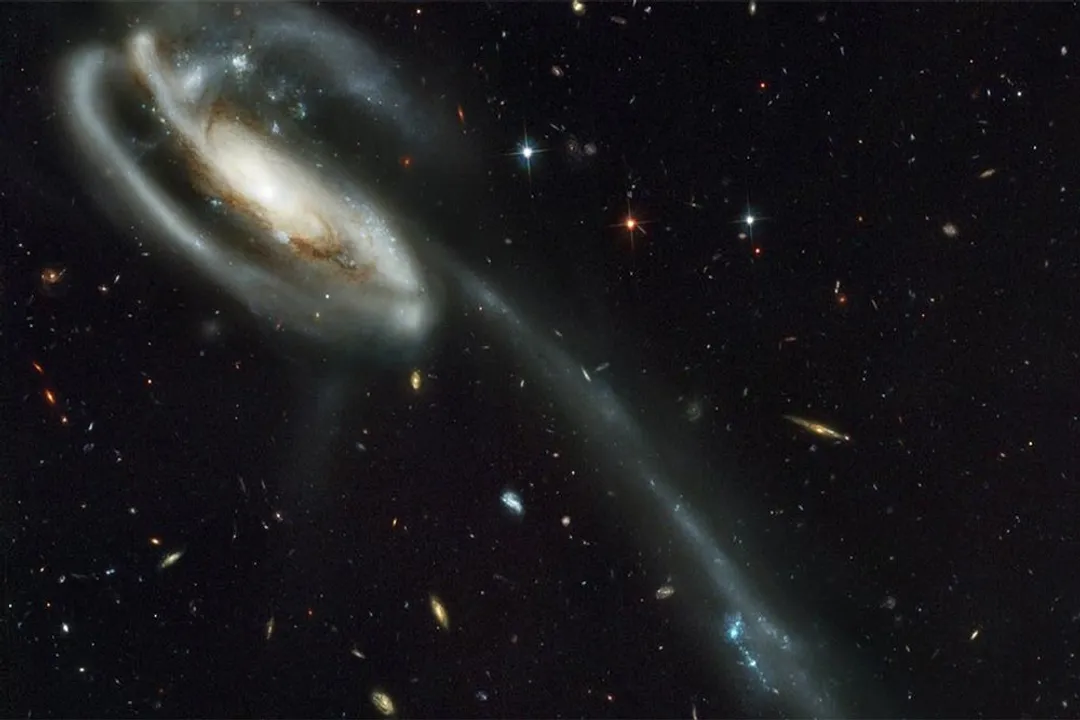
The moment of truth arrived after the astronauts completed their spacewalks and the instruments were powered up for testing. The initial data returned from the newly installed instruments provided immediate confirmation that the complex, high-risk operation had succeeded beyond optimistic projections. When scientists processed the first images taken through the newly corrected optics, the difference was astonishing. The fuzzy blobs that had characterized early Hubble data snapped into razor-sharp focus. Stars that had appeared as bloated disks were now crisp, tiny points of light, exactly as intended when the telescope was conceived.
The success of SM1 not only rescued the mission but fundamentally changed the perceived capabilities of orbital assets. It proved that extremely precise, high-value scientific instruments could be serviced, upgraded, and, most importantly, repaired in orbit—a concept that had previously been limited to simpler satellites or the Space Shuttle itself.
The initial flaw, born from a 2-micrometer grinding error, forced NASA to essentially invent modern space repair techniques. By 2009, Hubble had undergone four subsequent servicing missions, each building upon the foundation established by SM1, upgrading its sensors, instruments, and gyroscopes, allowing it to continue delivering revolutionary science for decades beyond its expected lifespan. The Hubble Space Telescope story is, therefore, not just a tale of a major failure, but a powerful case study in how rigorous contingency planning, backed by human capability, can turn a near-catastrophe into a defining moment of engineering triumph. The initial "nearsighted" telescope became, thanks to the daring of the 1993 crew, the clearest window humanity has ever had into the cosmos.
#Videos
FreeSchool Presents: Repairs to the Hubble Telescope - YouTube
Related Questions
#Citations
History: The Spherical Aberration Problem - ESA/Hubble
Repairing Hubble | National Air and Space Museum
What was wrong with Hubble's mirror, and how was it fixed?
25 years later: Fixing the Hubble Space Telescope
Hubble's troublesome mirror - IOPSpark - Institute of Physics
FreeSchool Presents: Repairs to the Hubble Telescope - YouTube
Astronauts Repair the Hubble Space Telescope | Research Starters
Mega-Projects & -Problems; The Hubble in Trouble
[PDF] National Aeronautics and Space Administration (NASA) The Hubble ...