How did Starliner astronauts get stuck in space?
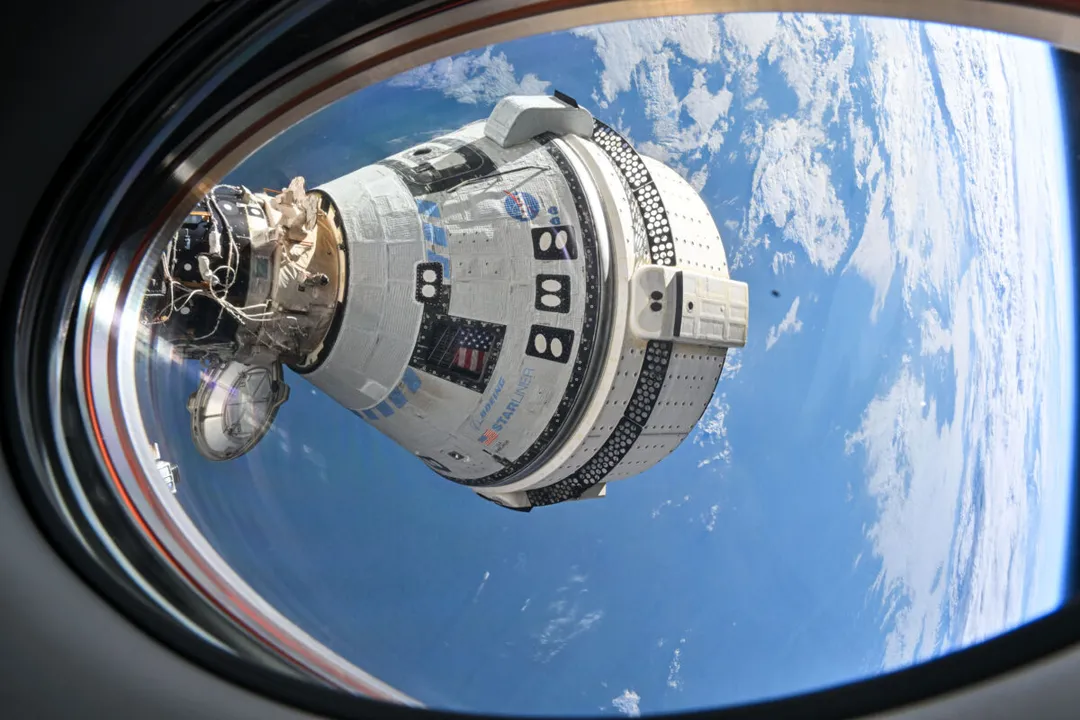
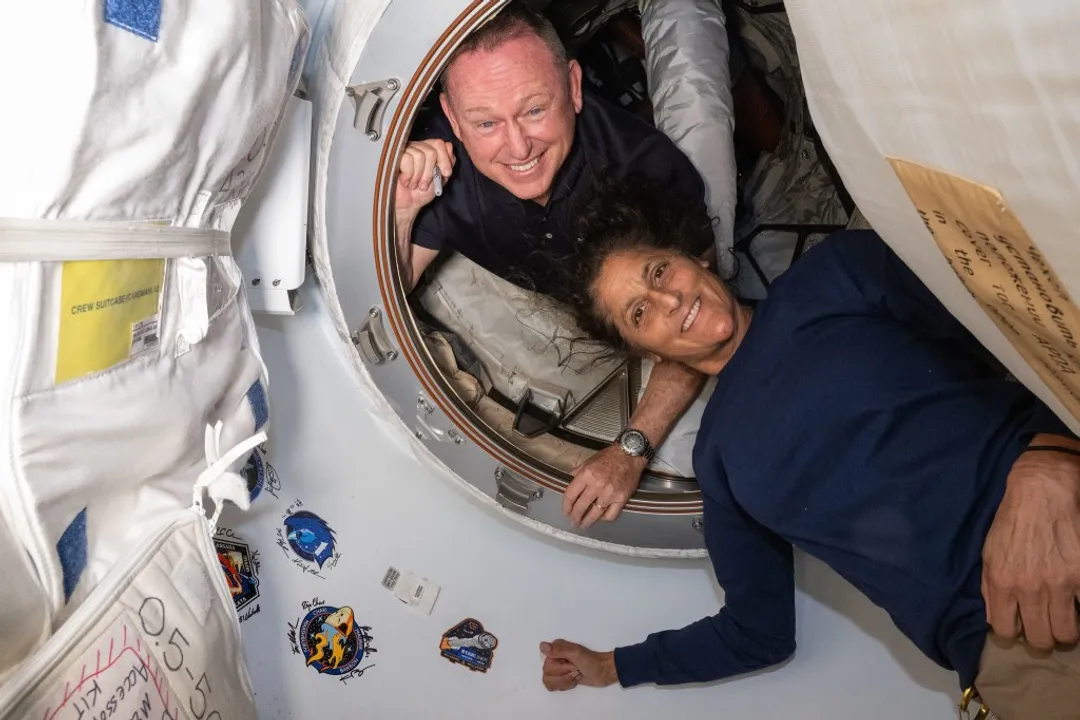
The delay that left NASA astronauts Butch Wilmore and Suni Williams aboard the Boeing Starliner capsule, orbiting Earth for an extended period, brought intense scrutiny onto a program years in development. Rather than a sudden, catastrophic failure that necessitated being stranded, the situation evolved into a prolonged stay while engineers worked through vexing technical challenges that kept the return window closed. The core issue centered on the spacecraft’s propulsion system, specifically problems detected with the reaction control system (RCS) thrusters following the spacecraft’s successful rendezvous with the International Space Station (ISS).
# Thruster Issues
The initial indicators of trouble surfaced shortly after Starliner successfully docked with the orbiting outpost. During maneuvers necessary for docking, NASA and Boeing noted that several of the small engines used to control the capsule’s attitude and orientation—the RCS thrusters—were not performing as expected. The situation was not immediately life-threatening, as the capsule maintained a safe configuration, but it raised significant red flags regarding the vehicle’s ability to execute the precise, multiple-burn maneuvers required for a safe deorbit and reentry sequence.
The number of affected thrusters was a key point of discussion. Reports indicated that several thrusters failed entirely or operated outside acceptable performance parameters. While the Starliner is designed with redundancy, having multiple thrusters degrade necessitated a deep dive into the telemetry and the underlying cause. Mission managers could not simply dismiss a few faulty thrusters; a full complement, or at least a sufficient number of healthy ones, is essential for the complex ballet of undocking, backing away, performing the deorbit burn, and making minor course corrections en route back to Earth.
# Root Cause Analysis
Digging deeper into why the thrusters were malfunctioning revealed a potential culprit: leaks. The specific nature of the leaks in the propulsion system became the focus of intense analysis between the ground teams and the crew aboard the ISS. These weren't leaks of the primary propellant for the main engine, but rather leaks in the propellant lines feeding the RCS thrusters. A small, persistent leak in a system that relies on precise timing and pressure integrity for hundreds of micro-burns is a serious concern. If a leak were to worsen unexpectedly during a critical maneuver, it could lead to a complete loss of attitude control, making a targeted landing impossible.
The investigation was methodical, focusing on isolating the affected lines and determining if the leaks were static or progressive. NASA stressed that mission safety remained the absolute priority, meaning no return attempt would be authorized until they had high confidence in Starliner's ability to perform its departure sequence reliably. This cautious approach contrasted with the urgency of getting the crew home, but it underscored the high stakes involved. The astronauts themselves were reported to be calm, assisting ground control by performing checks and serving as an extra set of eyes on the hardware.
One analytical angle that engineers likely considered, though not explicitly stated in every public report, involves the unique environment of on-orbit operations. Propellant systems on spacecraft are subject to extreme temperature swings, causing materials to expand and contract repeatedly. A small anomaly, perhaps a seal compromised during pre-launch processing or the stresses of ascent, might only manifest as a measurable leak after the system has been pressurized and operated in the vacuum and thermal extremes of space for a period. The fact that the leaks were detected after docking suggests the operational wear and tear was the trigger, rather than a simple manufacturing defect missed on the ground. This highlights the challenge of certifying new human-rated systems where ground testing can only simulate, but never perfectly replicate, the reality of long-duration flight.
# Extended Stay and Mission Adjustment
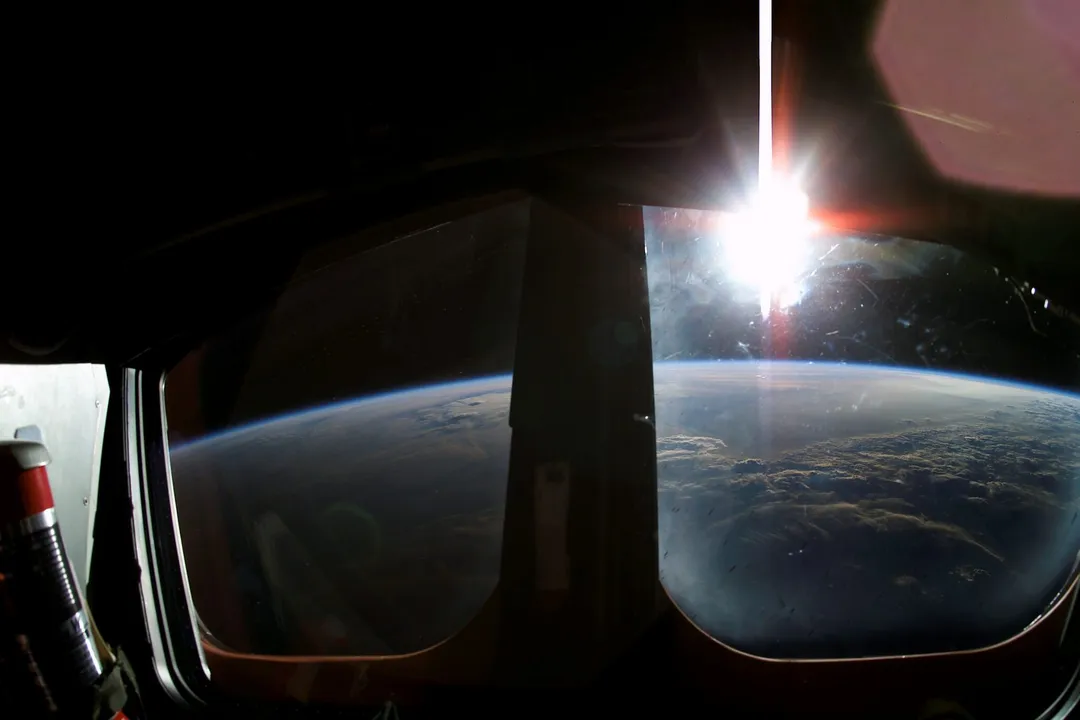
The initial mission profile called for a relatively short stay, perhaps around a week. However, as the thruster diagnostics and associated leak assessments dragged on, the return date was pushed back multiple times, effectively leaving Wilmore and Williams in a holding pattern. This is where the "stuck" narrative took hold in public reporting, though technically they were never stranded without immediate support or resources, as they were safely berthed to the ISS. They were, however, stuck in orbit longer than planned, consuming contingency margins for their return vehicle.
This extension placed an unplanned logistical burden on the ISS. Every day the crew remained on Starliner meant they were consuming consumables—albeit minimal amounts, as they could use ISS resources—and tying up a docking port. More significantly, it complicated the crew rotation schedule for future missions, potentially creating a cascade effect for the subsequent Crew-9 rotation or other scheduled arrivals. While the ISS is designed to handle temporary overages, indefinite extensions are problematic for crew familiarity, rest, and specialized task planning.
The decision-making process appeared to prioritize thoroughness over schedule adherence. NASA officials repeatedly emphasized that they would only approve a departure when they had high confidence in the vehicle's return capabilities, even if that meant waiting until the very last possible departure window before orbital mechanics made a return impossible. This methodical, safety-first cadence is a defining characteristic of human spaceflight operations, where the margin for error is essentially zero.
# Comparing Return Options
Being "stuck" on a visiting vehicle like Starliner is different from being stranded on the ISS itself. The station has multiple return vehicles—currently including the SpaceX Crew Dragon and Soyuz—that offer backup options, though relying on them involves complex negotiations and schedule shuffling. For Wilmore and Williams, the primary goal was to return on the vehicle they arrived in, as it was the only one certified for their specific return trajectory and landing site.
This scenario naturally invites comparison with the history of spacecraft issues. While the term "stranded" might evoke dramatic past events, like the Apollo 13 crisis or issues with older Soviet capsules, the Starliner situation was one of deferred departure rather than inability to return. The key difference lies in the engineering approach: Apollo 13 involved recovering from an in-flight explosion where the spacecraft had to be nursed home using unconventional means, whereas Starliner required diagnostics on a non-critical, yet essential, subsystem before proceeding with a nominal—albeit delayed—return. A unique aspect of the Starliner situation, which may be worth noting for future certification review boards, is the sheer volume of software and operational complexity inherent in a completely new, privately-developed system navigating the final approach to human certification. The learning curve, though expensive, is intended to secure a second independent US provider for ISS access.
Here is a brief summary of the primary factors delaying the return, based on the post-flight analysis:
| Component | Anomaly Observed | Risk to Return | Mitigation Focus |
|---|---|---|---|
| RCS Thrusters | Multiple units failing or underperforming | Loss of attitude control during deorbit burn | Isolating leaks and validating redundant thrusters |
| Propellant Lines | Detected leaks in the pressurant system | Progressive loss of fuel/oxidizer, potentially worsening | Ground analysis of telemetry and seal integrity |
| Mission Timeline | Initial short-stay profile | Crew resource consumption and ISS scheduling conflicts | Extending stay within safe operational limits |
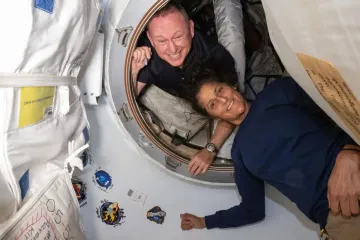
# Crew Experience and Public Perception
The public perception of the astronauts being "stuck" likely overshadowed the technical reality that they were safe aboard a functioning orbital outpost. Media coverage often leans toward the most dramatic framing, using terms like "stuck" or "stranded" to capture attention, even when experts clarify the distinction. The astronauts themselves, being experienced naval aviators and test pilots, maintained a professional demeanor, turning an extended stay into an opportunity for extra work or observation time.
Their presence onboard provided Boeing and NASA with invaluable real-time data—an unplanned, extended checkout of the hardware in a way no ground simulation could replicate. Every day spent attached to the ISS was an extra day to monitor the behavior of the leaky thrusters under steady thermal and power loads, information that would be critical for certifying the vehicle for future operational missions. It’s an expensive form of flight testing, but one that yields high-value, flight-specific data. The very fact that the crew could safely wait, relying on ISS life support while troubleshooting the departure craft, speaks to the inherent safety margins built into the overall ISS architecture.
This entire episode underscores the difference between capability and confidence. Starliner was capable of staying longer, and the ISS was capable of supporting the extra crew, but mission control lacked the requisite confidence in the departure sequence due to the propulsion anomalies. That final leap from capability to confidence required iterative problem-solving on orbit, turning a routine homecoming into a protracted engineering challenge. The ultimate success of the mission will be measured not just by the safe return of the crew, but by the lessons learned from these exact moments of on-orbit uncertainty.
#Videos
How Did Boeing Starliner Fail? NASA Astronauts Stranded in Space
Related Questions
#Citations
Why are astronauts stuck in space? Here's how the Boeing Starliner ...
how Nasa lost control of Boeing Starliner narrative : r/space - Reddit
Astronauts Suni Williams and Butch Wilmore recall tension of ... - BBC
Were they stuck? NASA's Starliner astronauts finally weigh in
nasa - What caused 2 astronauts to be stranded in space
How Did Boeing Starliner Fail? NASA Astronauts Stranded in Space
What really happened to the astronauts “stranded” in space for 9 ...
Boeing Starliner astronauts say they aren't stuck in space - CNN
A brief history of astronauts stuck in space - Astronomy Magazine