How much does the CEO of NASA get paid?

The compensation for the head of the National Aeronautics and Space Administration (NASA), often informally called the CEO, is set not by a corporate board but by the federal government. The official title for this role is the Administrator of NASA. [6] Unlike private sector leaders whose pay can fluctuate wildly based on stock options and performance bonuses, the Administrator's salary is determined by the U.S. Executive Schedule (ES) pay scale, which dictates compensation for high-level federal employees. [6]
# Official Pay Grade
The Administrator of NASA holds a position equivalent to a Cabinet member and is compensated according to the statutory limits for federal executives. [6] The official rate for the Administrator typically aligns with Executive Schedule Level I. [6] As of recent pay scales, this places the annual salary at a set statutory maximum for the Executive Schedule, which has been around the $230,000 mark for several years, though the exact figure can be indexed to Congressional or Presidential pay raises. [6] For context, the highest paid employees at NASA, as listed in public payroll data, include the Administrator at this fixed government rate. [5] This contrasts sharply with the varied data found on salary aggregator sites, which often show ranges that might include historical figures, estimates, or potentially confuse the government role with private sector expectations. [1][2][3]
When looking at figures from private salary aggregation websites, the "NASA CEO Salary" reports can be inconsistent. For example, some sources might quote figures that vary widely, such as estimates clustered around 250,000 annually. [1][3] Glassdoor, for instance, provides salary reports for the role, which reflect these public inputs, but the fixed, statutorily defined rate is the definitive measure. [2] It is important to note that for a position of this national stature, the compensation is fixed by law, meaning the current Administrator, Bill Nelson, receives this specific government rate, not a negotiated private contract. [6][7]
# Salary Comparison
To put the Administrator’s salary into perspective, it is helpful to compare it against the pay scale for other high-ranking federal positions and the private sector. The Executive Schedule Level I classification means the Administrator earns the same base salary as the heads of most other major federal departments, such as the Secretary of Transportation or the Secretary of Commerce. [6]
An interesting point of analysis arises when contrasting this with the massive compensation packages seen in the aerospace industry's private sector. While the head of a company like SpaceX or Boeing commands salaries and equity grants reaching into the tens of millions, the NASA Administrator accepts a salary capped by Congressional statute. [6] This fundamental difference highlights the nature of the job: it is one of public service, where prestige, policy influence, and the management of historic scientific endeavors supersede massive personal financial gain.
| Position Type | Typical Compensation Level | Setting Authority |
|---|---|---|
| NASA Administrator | Executive Schedule Level I (Fixed Statutory Rate) | U.S. Congress/Federal Law [6] |
| Private Sector CEO (Aerospace) | Highly Variable (Often Multi-Million Dollar Packages) | Corporate Board of Directors |
This structure ensures transparency and accountability, as the salary is public record and directly tied to the federal budget, unlike the often-opaque bonus structures of private corporations. [9]
# Private Sector Confusion
The landscape around aerospace leadership is sometimes muddled in public discussion, which may contribute to inflated salary expectations or confusion regarding the Administrator's pay. There have been instances where private billionaires involved in space exploration garner significant media attention, leading to an assumption that they hold the top leadership post or that their wealth translates to the government equivalent. [4][10]
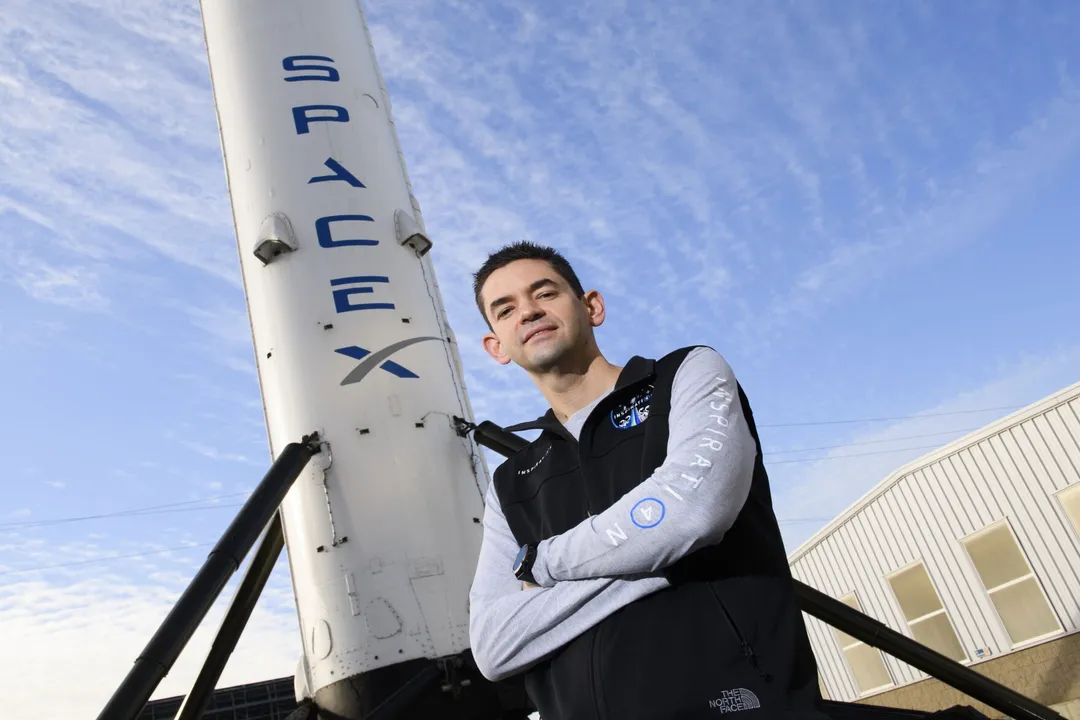
For instance, figures like Jared Isaacman, a billionaire entrepreneur involved in private astronaut missions, might be mentioned in the same sphere as NASA leadership, but his involvement is entirely separate from the government's official pay structure for its civil service and political appointees. [4][10] The Administrator role requires Senate confirmation and is a political appointment within the Executive Branch, making it fundamentally different from a private venture leader whose compensation is tied to shareholder returns. [6] The public town halls hosted by the Administrator, such as those held for agency-wide updates, serve to reinforce the official, public-facing nature of this government role. [7]

# Non-Salary Compensation Factors
While the base salary is fixed by law, total compensation for a high-level federal official involves elements beyond the annual paycheck. Federal employees, including the Administrator, are entitled to standard benefits packages, such as retirement plans, federal health insurance, and paid leave, which add substantial indirect value to the overall employment package. [9]
One area where public data can sometimes be less clear is in the per-diem and travel allowances associated with such a demanding role. Although these are not salary increases, managing a global agency with operations spanning multiple centers (like the Johnson Space Center or Goddard Space Flight Center) requires extensive travel, which is reimbursed according to strict federal travel regulations. [9]
When considering the value proposition of the job, it is worth noting that the actual reported earnings for top NASA employees, as documented in certain public payroll databases, often reflect the statutory maximum for ES-1 positions. [5] If one were to calculate the effective hourly wage based on the required commitment—factoring in demanding schedules, constant public scrutiny, and national security responsibilities—the time value of the compensation is comparatively modest for the scope of responsibility managed. [6] This dynamic reinforces the idea that for most individuals who reach this level of public office, the motivation centers on mission impact rather than maximal financial reward, a common theme among high-ranking civil servants managing complex scientific enterprises. [9] The prestige of leading the U.S. civilian space program is, arguably, the primary, non-monetary benefit of holding the office.
Related Questions
#Citations
NASA Executive Salaries - Comparably
Total salary range for NASA Chief Executive Officer - Glassdoor
Nasa C E O Salary: Hourly Rate December 2025 United States
Jared Isaacman confirmed as NASA chief
NASA Highest Paid Employees - OpenPayrolls
Administrator of NASA - Wikipedia
Agencywide Town Hall with NASA Administrator Jared Isaacman
Appendix C. NASA Pay Structure for the SES: Tier Positions
What to know about Jared Isaacman, the billionaire private astronaut ...