How long does a NASA administrator serve?
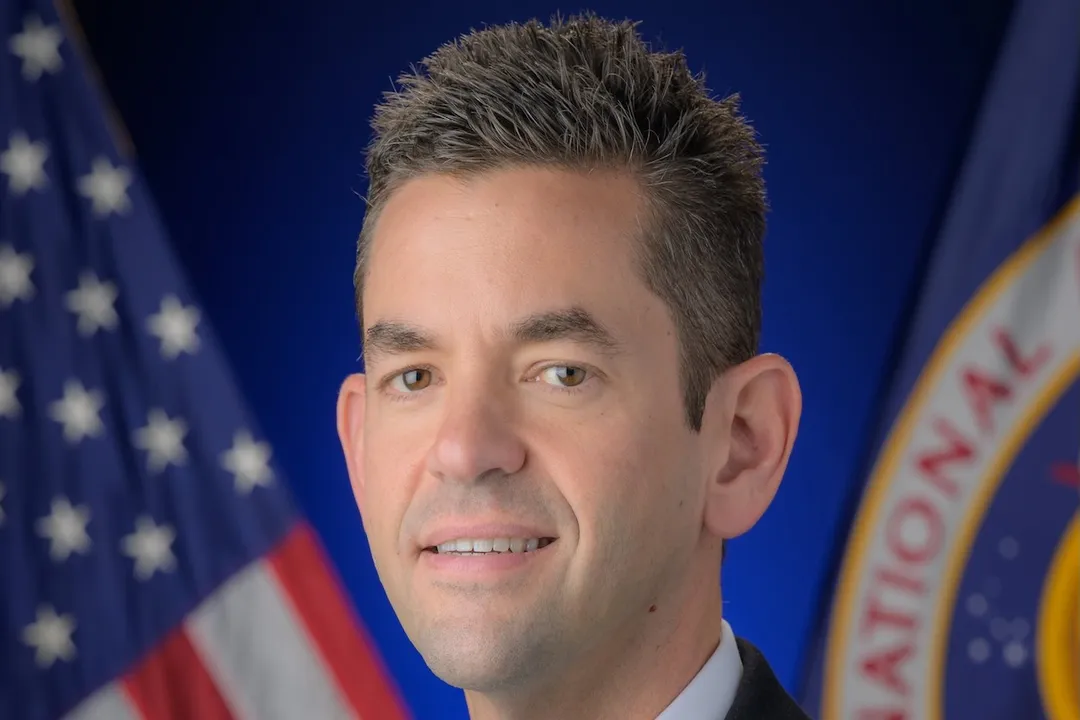
The arrival of a new leader at the National Aeronautics and Space Administration marks a significant moment, often signaling shifts in priorities and momentum for the agency’s ambitious undertakings. The process to install this leadership is formal and public, culminating in the swearing-in of an individual tasked with guiding one of the world's most complex scientific and engineering enterprises. Recently, that process concluded with the confirmation of Jared Isaacman as the agency’s Administrator. This appointment settled a period where NASA operated without a full-time head, a situation that can place unique pressures on ongoing projects and long-range planning.
# Recent Appointment
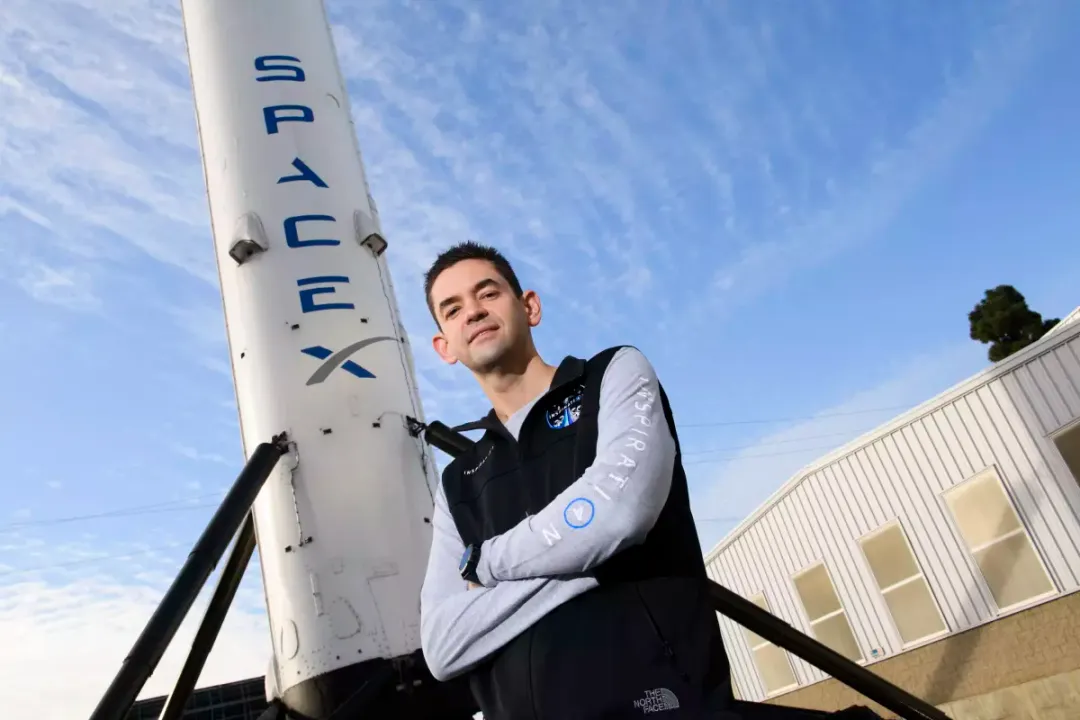
Jared Isaacman officially took the reins of the agency in the closing weeks of 2025. Following his nomination, the Senate confirmed his position, paving the way for his formal induction into the role. The swearing-in ceremony, which officially recognized him as the 15th NASA Administrator, took place on December 19, 2025. This transition point meant that the agency, which functions across multiple national centers and manages programs reaching from low Earth orbit to deep space exploration, finally had a confirmed, dedicated leader after a preceding vacuum.
The new Administrator’s first communications often set the tone for the coming years. Shortly after his confirmation, Isaacman issued a note to the NASA workforce, acknowledging the challenges and opportunities ahead for the agency. This initial address underscores the immediate responsibility placed upon the Administrator to unify the workforce and articulate a vision following a period of leadership uncertainty.
# Vacancy Period
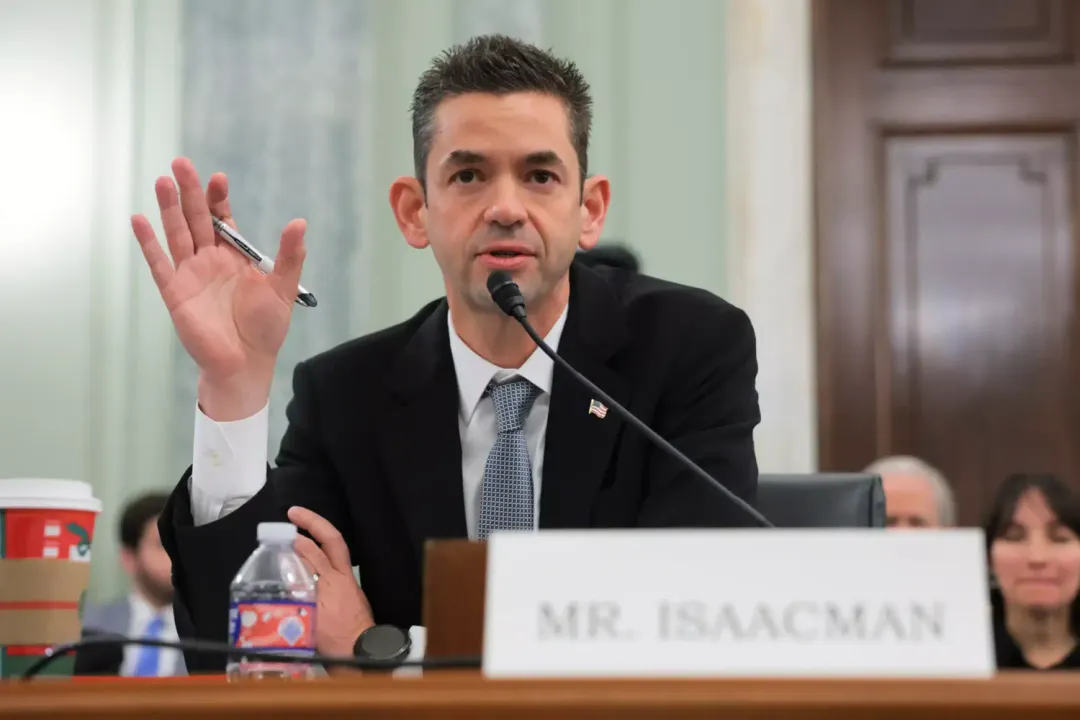
The duration leading up to a new Administrator's confirmation is a critical, often stressful, phase for any large government agency. In the case preceding Isaacman’s arrival, the agency navigated a full year without a permanent, Senate-confirmed leader. Such gaps are not uncommon in presidential appointments, but they can introduce friction into mission execution. When the top political position remains vacant, deputy administrators or acting officials often fill the breach, managing day-to-day operations but potentially hesitating to make significant, long-term directional decisions that require the full mandate of the confirmed leader.
This year-long interim period was characterized by what some observers termed a "scientific loss and survival" environment, suggesting that while essential operations continued, the agency might have missed opportunities for decisive action or bold budgetary positioning during that time. The swift confirmation and swearing-in of Isaacman, therefore, represented a return to operational stability, allowing long-term strategic planning—such as the complex Artemis missions or budget negotiations—to proceed with clear executive authority.
| Transition Milestone | Date (Approximate) | Significance |
|---|---|---|
| Leadership Vacancy | ~Late 2024 | Period without a confirmed Administrator |
| Senate Confirmation | December 18, 2025 | Official political approval granted |
| Swearing-In Ceremony | December 19, 2025 | Formal assumption of office as 15th Administrator |
Looking at the recent transition, the time between the previous incumbent leaving office and Isaacman’s swearing-in spanned approximately twelve months. This provides a concrete example of the gap that can exist, which directly impacts the effective service time of any administration. If one were to calculate an administrator's tenure, the measurement must account for both the time in office and the time out of office between confirmed leaders.

# Tenure Context

When considering how long a NASA Administrator serves, it is important to recognize the nature of the appointment. The Administrator is a high-level political appointee, nominated by the President and confirmed by the Senate. Unlike career civil servants who might stay in technical roles for decades, the Administrator’s tenure is inherently tied to the lifespan of the presidential administration that appointed them.
Generally, a President can appoint a new NASA Administrator at any time, but the confirmation process requires time, which explains the gaps seen recently. While there is no statutory term limiting an Administrator to a fixed number of years—such as exactly four or eight—the political reality is that a new President, upon taking office, typically installs their own preferred leadership team across the executive branch agencies, including NASA. This means that while an Administrator could remain across multiple presidential terms if the incoming President chooses to retain them, the expectation is that a transition will occur following a change in the White House.
This political dimension contrasts sharply with the timelines of the missions NASA manages. A flagship program like the James Webb Space Telescope or the Artemis Moon missions spans multiple administrations, often taking longer to fully realize than any single Administrator’s tenure. The Administrator must therefore act as a steward, ensuring programmatic stability and continuity across these long timelines, even as their own tenure remains susceptible to political cycles.
# Defining Service Length
The actual service duration for a NASA Administrator is therefore highly variable. It is a function of political alignment, presidential preference, and, sometimes, the individual's decision to resign or retire. Historically, some Administrators have served for the full eight years of a two-term presidency, while others have served only for a few years as part of a single administration’s term, or even less if they resigned mid-term.
For instance, reviewing the history of the fifteen leaders reveals a spectrum of tenures, ranging from brief appointments to those who spanned nearly a decade. The key takeaway is that the appointment mechanism—Presidential nomination and Senate confirmation—is the primary determinant of when a tenure ends, rather than a pre-set service clock. This variability means that institutional knowledge transfer between leaders becomes an essential, though often overlooked, requirement for maintaining NASA's operational tempo. A leader stepping in after a year-long gap, like Isaacman, faces the immediate challenge of catching up on agency momentum while simultaneously establishing their own strategic direction.
An interesting observation when analyzing leadership transitions at agencies like NASA is the difference between the political head and the agency’s scientific and engineering core. While the Administrator changes with the political winds, the vast majority of NASA’s experts remain career civil servants. This deep, non-political expertise acts as a crucial ballast, preventing major mission derailments during leadership changes. The Administrator provides the direction and advocacy, but the engineers and scientists provide the continuity.

# Immediate Focus Areas
The first few months for any new Administrator are a period of assessment. For Isaacman, stepping into the role in late 2025, immediate priorities would naturally involve reviewing the status of major programs like the crewed landings on the Moon and planning for eventual Mars missions. A leader takes the helm when missions are already underway, requiring rapid immersion into complex technical and budgetary details.
The Administrator’s first memo to the workforce is an indicator of where they believe the most urgent focus needs to be, whether that involves budgetary defense, personnel morale, or refocusing scientific objectives. Given the gap preceding his arrival, a significant early task would likely be re-energizing internal consensus and projecting strong, unified leadership externally to Congress and the public. The success of NASA often hinges on its ability to clearly articulate the value of its endeavors, a core task that falls squarely on the confirmed Administrator. The appointment itself signifies a vote of confidence from the current executive branch that the agency requires singular, focused leadership to advance its next set of goals, making the duration of that service, whatever it may be, vital for mission success.
#Videos
Jared Isaacman on his long road to confirmation as ... - YouTube
Related Questions
#Citations
New NASA administrator takes over after a year of scientific loss ...
NASA finally—and we really do mean it this time—has a full-time ...
What to know about Jared Isaacman, the billionaire private astronaut ...
Jared Isaacman is confirmed as NASA chief, a year later - NPR
Today, Jared Isaacman was sworn in as NASA's 15th Administrator
Jared Isaacman on his long road to confirmation as ... - YouTube
NASA Leadership
Note To The NASA Workforce From Administrator Jared Isaacman