How long has the Starliner crew been stuck in space?
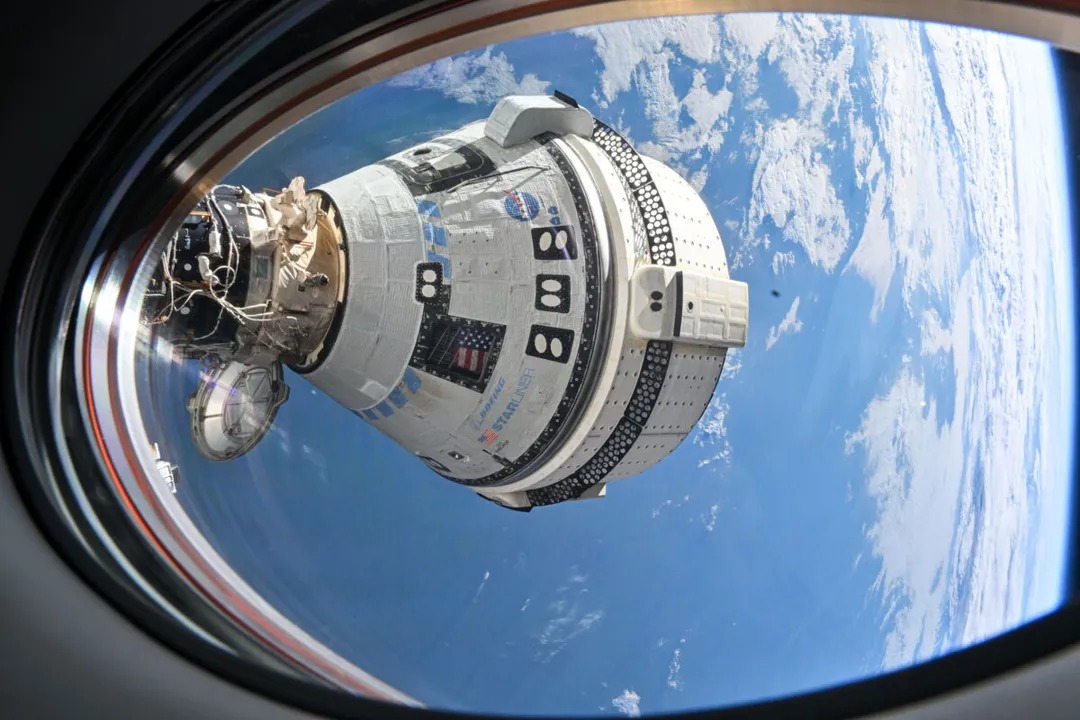
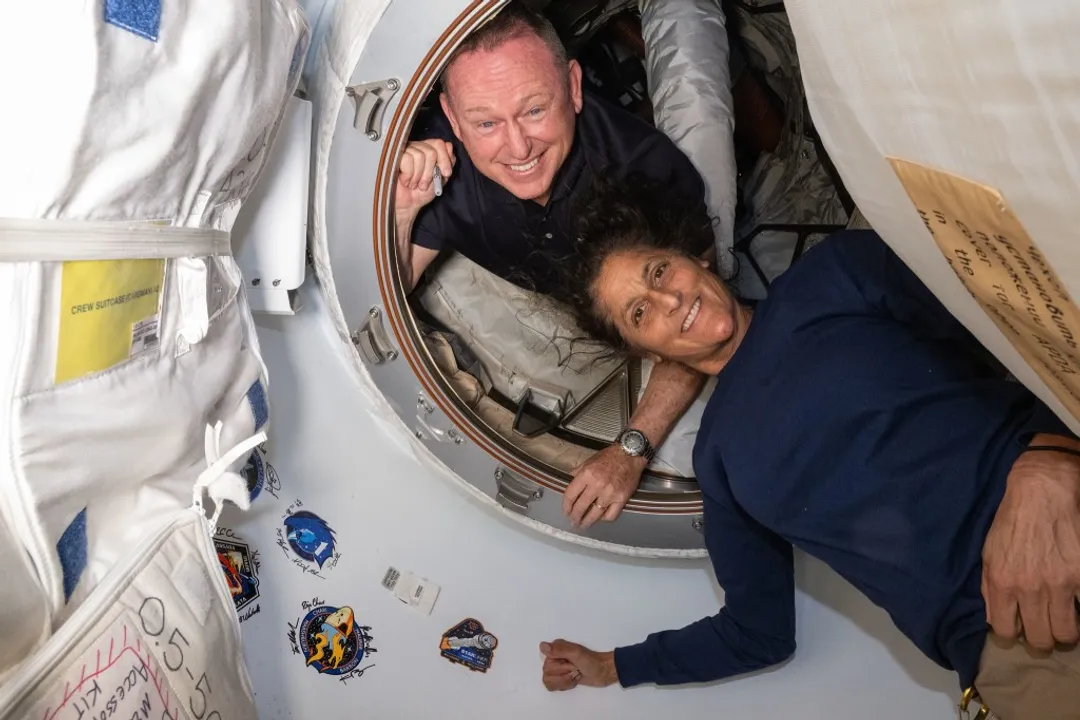
The situation surrounding Boeing’s Starliner spacecraft and its crew has become a significant talking point in space exploration circles, shifting a short test flight into an unexpectedly long stay aboard the International Space Station (ISS). Initially conceived as a brief shakedown cruise, the mission involving astronauts Butch Wilmore and Suni Williams has seen its timeline stretch dramatically. [9] The core question revolves around how the duration of their time in orbit compares to the original plan and what historical precedents exist for such extended stays.
# Mission Timeline
The Boeing CST-100 Starliner mission, designated as the Crew Flight Test (CFT), was never intended to be lengthy. It was designed to be a final test of the vehicle before it enters regular rotation for NASA’s Commercial Crew Program. [6] The planned duration for the flight was a mere 10 days. [6] However, technical issues, primarily stemming from issues with the spacecraft's propulsion system—specifically helium leaks and thruster problems—forced multiple delays to the return itinerary. [4]
When these delays mounted, the time the crew spent aboard the ISS began to accrue rapidly. At one point, reports indicated that the astronauts had reached six months in space, with projections suggesting they might need to remain for another two months before a safe return could be finalized. [4] Further reporting indicated the astronauts could potentially spend as long as nine months in space on what began as a 10-day assignment. [6] Another projection cited that the crew might spend at least 240 days in orbit. [1] This sustained presence transforms the nature of the mission from a simple certification flight to an extended expedition.
The comparison between the planned duration and the actual or projected stay is striking. If the crew were to remain for nine months, that represents an approximately 800 percent increase over the initial 10-day itinerary. Such a drastic extension highlights the complexity of certifying a new crew vehicle while relying on the ISS as a temporary habitat. The mission effectively turned into a long-duration expedition purely out of necessity due to the spacecraft's technical hold in orbit. [6]
# Extended Stays
The fact that the crew has been in space for such an extended period—potentially nearing the nine-month mark—raises questions about setting new benchmarks for unexpected delays. While the CFT was not intended to be a record-setter, the length of time they have occupied space is notable, especially for a crew vehicle that has not yet been certified. [1]
In the context of crew rotations, the typical stay for astronauts on the ISS is around six months. [4] Wilmore and Williams, by exceeding this standard duration, are essentially living as long-duration crew members without the formal planning or supply chain associated with a dedicated expedition. The official return date has been a moving target, shifting based on engineers’ ability to diagnose and clear the issues with the Starliner capsule while ensuring ISS operations are not jeopardized. [3]
This situation contrasts sharply with other missions where extended stays were either planned or forced by more catastrophic circumstances. For example, some historical events involved crews being stranded due to issues with their primary return vehicle, forcing reliance on alternative transport or emergency protocols. [8] The Starliner scenario appears to be a case where an ongoing technical evaluation, rather than a critical failure of the station itself, dictated the extended timeline.
# Historical Comparisons
Looking back through the annals of spaceflight reveals other instances where astronauts found their stays lengthened significantly, often due to hardware malfunctions that prevented timely return. [8] One of the most famous examples involves the Russian Soyuz spacecraft attached to the ISS, where prolonged stays have occurred due to failures in the return vehicle, sometimes requiring the crew to return on a different, operational vehicle after the original one was deemed unsafe. [8] The presence of the crew on the ISS allows for a degree of redundancy, as they can potentially transfer to a waiting Soyuz or Crew Dragon capsule for the return trip if the Starliner remains grounded, though the intention remains to bring them back on the vehicle that brought them up. [4]
The longest continuous stays in space, however, are typically associated with specific, long-duration missions, which are planned years in advance to study human physiology over extended periods. The Starliner crew’s nine-month stay, imposed by technical delays on a short test flight, is unusual in its origin. It forces mission planners to treat an unplanned scenario as if it were a standard expedition regarding crew health monitoring and resource allocation.
Consider the difference in preparation for a standard long-duration mission versus this situation. Expedition crews have specialized exercise routines, dietary planning, and specific psychological support tailored for many months away from Earth. [6] For Wilmore and Williams, the initial planning catered to a 10-day trip. While they are aboard the ISS, which is fully provisioned, the longer they stay, the more logistical complexity is added to the system that supports all the crew members on the station. Managing consumables like air, water, and food becomes a tighter calculation when the "short-stay" crew consumes resources intended for a shorter duration. [5]
# Logistical Implications
The extended residency, regardless of the specific number of months, introduces unique challenges for mission control and the crew itself. The technical issues plaguing the Starliner require constant monitoring and troubleshooting from teams on the ground, diverting engineering focus from other routine maintenance or future mission planning. [3] Every day the spacecraft remains docked, engineers are scrutinizing telemetry data related to the helium leaks and thruster performance. [4]
One significant aspect often overlooked in the immediate news cycle is the impact on future operational missions. The Starliner CFT vehicle is supposed to be certified to begin its operational rotation schedule. Every day spent in this extended test mode is a day the vehicle is unavailable to fly its next assigned crew, potentially creating a backlog or timeline pressure for subsequent launches. [6] The delay effectively postpones the "return to normalcy" for Boeing's role in ferrying astronauts.
Furthermore, even though the ISS is designed for long stays, any unscheduled extended presence strains the supply chain in subtle ways. While the ISS receives regular resupply missions, those cargo vehicles are scheduled based on anticipated consumption rates for the established crew complement. Adding two more people for an extra seven months means those consumption rates shift. While NASA is adept at managing these shifts—often by delaying the launch of less time-critical cargo or asking the next arriving crew to bring extra supplies—it represents an unforeseen variable in an otherwise tightly choreographed ballet of orbital logistics. The ability of the ground teams to adapt the logistics plan on the fly is a testament to their expertise. [5]
# Looking Ahead
Ultimately, the duration the Starliner crew has spent in space will be defined by the final return date, which is contingent upon NASA and Boeing being absolutely confident in the safety and performance of the capsule's systems for the trip home. [3] Whether the final tally lands at six months, eight months, or the projected nine, the event serves as a stark reminder that space travel, even to a familiar destination like the ISS, carries inherent risks and uncertainties that no amount of pre-flight testing can entirely eliminate. The focus now remains fixed on ensuring that Wilmore and Williams return safely, concluding a test flight that, by necessity, became an unplanned endurance trial for both the astronauts and the spacecraft itself. [9]
#Videos
Boeing Starliner astronauts stuck in space until 2025, will ... - YouTube
Related Questions
#Citations
NASA astronauts Suni Williams and Butch Wilmore spent 286 days ...
How long have the Starliner astronauts been in space? Not ... - Yahoo
Starliner crew's return: Recapping biggest moments of lengthy mission
Stuck Starliner astronauts hit 6 months in space with 2 more to ... - PBS
Boeing Starliner astronauts have now been in space more than 60 ...
How NASA's Starliner mission went from 10 days to 9 months - Space
Boeing Starliner astronauts stuck in space until 2025, will ... - YouTube
A brief history of astronauts stuck in space - Astronomy Magazine
Suni Williams, Butch Wilmore: Who are the astronauts 'stuck' in space?