What can I do with a space science degree?
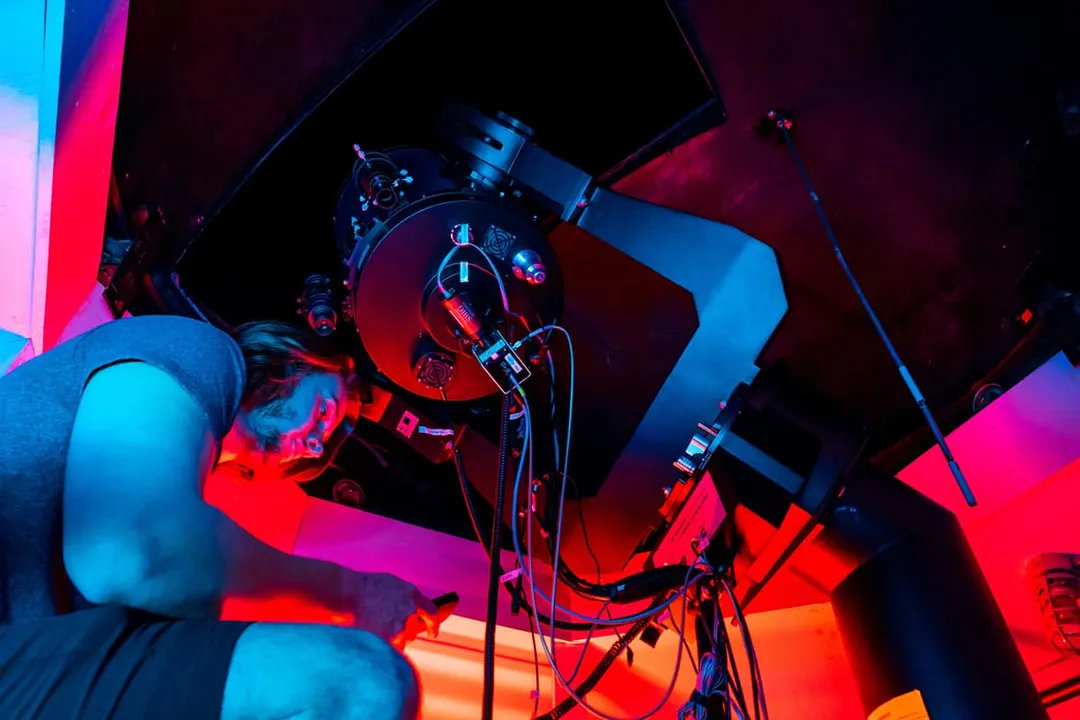
A degree focusing on space science, whether it's in physics, astronomy, or a dedicated space studies program, opens doors to a variety of exciting and challenging career paths that go well beyond simply launching rockets. The foundational training received—which typically involves rigorous quantitative analysis, understanding complex physical systems, and handling vast amounts of data—is highly valued across sectors well beyond traditional aerospace organizations. [3] Many graduates find themselves applying their knowledge to problems that require big-picture thinking and technical expertise simultaneously. [3]
# Sectors Opening

The landscape for space-related careers is rapidly evolving, moving from a domain almost exclusively dominated by government agencies to one increasingly populated by private enterprise. [4] Traditionally, government roles were the primary destination for space science graduates, particularly within national space agencies like NASA, where opportunities exist in mission planning, research, and technological development. [6] These government positions often remain highly sought after due to the scale and significance of the projects involved. [3]
However, the commercial space industry has seen substantial growth, creating new avenues for employment. This includes companies involved in satellite manufacturing, launch services, and the analysis of Earth observation data. [4] A graduate may find themselves working for a defense contractor or a technology firm that supports space infrastructure, which connects to national security interests as well. [3] The breadth of available work means that roles can be found in almost any organization that relies on space-based assets, such as global communications or navigation systems. [2]
# Research Science
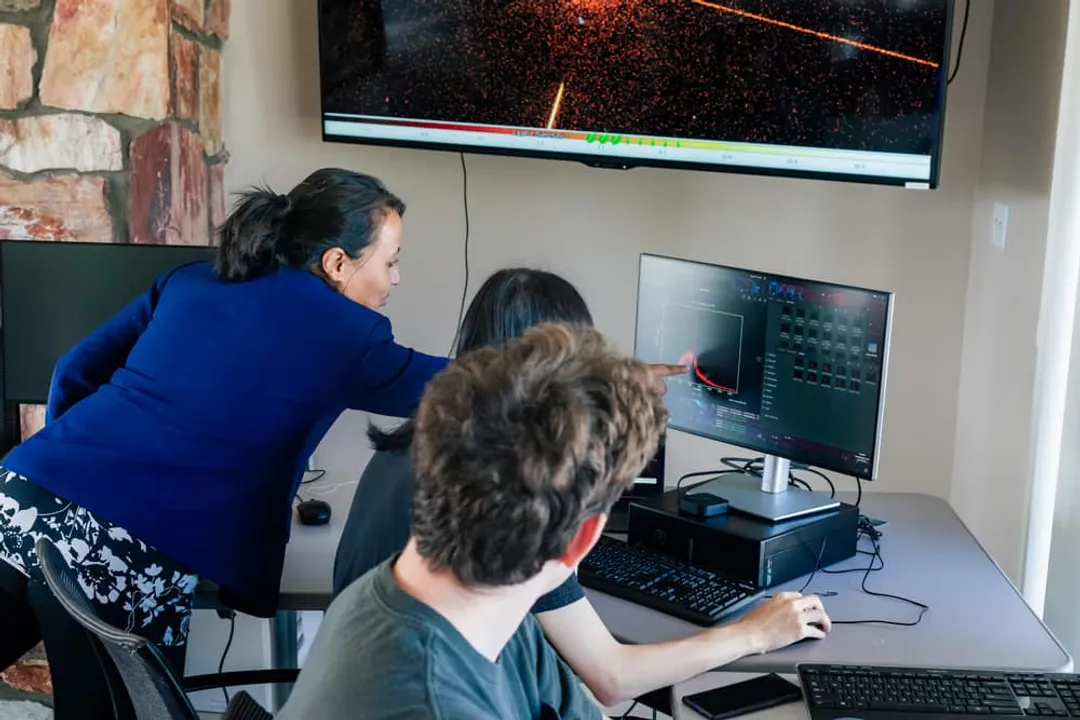
For those drawn to the fundamental questions of the cosmos or the physical mechanisms of celestial bodies, research science remains a primary option. This path often centers around careers as an Astronomer or Astrophysicist. [7] Graduates with degrees in astronomy frequently engage in research, which may involve using powerful telescopes, analyzing data from space-based observatories, or developing theoretical models of the universe. [5][7]
These roles are heavily research-oriented and often necessitate advanced credentials, meaning a Master's degree or a PhD is typically required to become a principal investigator or hold a permanent faculty position at a university. [5] Planetary science, a common specialization within broader space science degrees, focuses on the geology, atmosphere, and composition of other planets and moons, often leading to positions involving the analysis of data returned from robotic probes. [3] The success in these highly technical fields hinges on a strong grasp of quantitative methods and computational science. [3]

# Policy Business
Not every successful career in space involves designing hardware or observing stars. A significant segment of the space industry requires expertise in the application and governance of space technology, which is where graduates from interdisciplinary programs, particularly those with a Space Studies focus, excel. [3] These roles often bridge the gap between the engineering teams and the regulatory or business environments. [1]
Positions in space policy, for instance, involve understanding international treaties, national regulations, and the legal implications of orbital activities. [3] Graduates might work for think tanks, legislative bodies, or consulting firms advising governments or large corporations on the political and economic aspects of space exploration and utilization. [7] Another fertile area is satellite communications or Earth observation data analysis, where the focus shifts to how this information is monetized, distributed, or applied to fields like agriculture, finance, or meteorology. [2][3] These careers emphasize communication skills and business acumen alongside technical literacy. [3]
# Skill Building
Regardless of the specific job title pursued, the skills honed during a space science education are universally applicable. A key takeaway from observing where graduates land is the importance of systems thinking—the ability to see how numerous, complex components interact within a single mission or infrastructure. [3] Graduates must demonstrate proficiency in quantitative analysis, problem-solving, and data interpretation. [3]
Given the interdisciplinary nature of space science programs, one practical step for job seekers is to tailor their resume by creating three distinct functional summaries: one emphasizing technical/computational skills (for engineering roles), one focusing on policy/business acumen (for consulting), and one for pure scientific research. This approach avoids confusing potential employers in different sectors about the candidate's primary focus [^Self-Analysis/Tip].
While an Astronomy degree might funnel candidates toward academic research or specialized telescope operations at national labs, [5][7] a degree explicitly labeled "Space Studies" often attracts interest from defense contractors and technology firms needing experts to bridge the gap between technical development and end-user application or regulatory requirements [^Self-Analysis/Context]. Emphasizing specific software proficiencies—like programming languages used for modeling or data processing—can significantly increase employability in operational roles. [2]
# Employers Listed
The list of potential employers for someone with a space science background is broad, covering government, academia, and the private sector. [1][2]
| Employer Type | Example Roles/Focus | Primary Degree Focus |
|---|---|---|
| Government Agencies | Mission planning, research, instrumentation development, flight control [6] | All |
| Academia | Post-doctoral research, teaching, running specialized labs [5][7] | Research/Astronomy |
| Aerospace Contractors | Satellite design, building subsystems, systems engineering, mission support [3] | Engineering/Technical |
| Commercial Startups | Data product development, launch logistics, satellite services [4] | Business/Data Analysis |
| Defense/Intelligence | Geospatial analysis, remote sensing application, security policy [3] | Policy/Applied Science |
NASA, for example, hires individuals for roles ranging from engineers who work on propulsion systems to scientists studying exoplanets. [6] At the academic level, universities run research groups and observatories that employ astronomers and physicists to analyze incoming data. [5][7] Within the private sector, roles might involve developing the algorithms that process images from commercial Earth-observing satellites or managing the ground segment communications for a new constellation. [2] Understanding the specific hiring needs of these disparate entities is critical for a successful transition from classroom to career. [1]
Related Questions
#Citations
BS in Space Studies. What are my options? - Reddit
15 Jobs That Require a Space Studies Degree | Indeed.com
What Can You Do With a Space Studies Degree? - apu.apus.edu
Space careers: A universe of options - Bureau of Labor Statistics
What Can You Do with an Astronomy Degree
Careers - NASA
Astronomy-Powered Careers | American Astronomical Society
2026 What Can You Do With a Space Studies Degree?
Career Options for the Future Space Scientist | Florida Tech