Is space science worth the money?
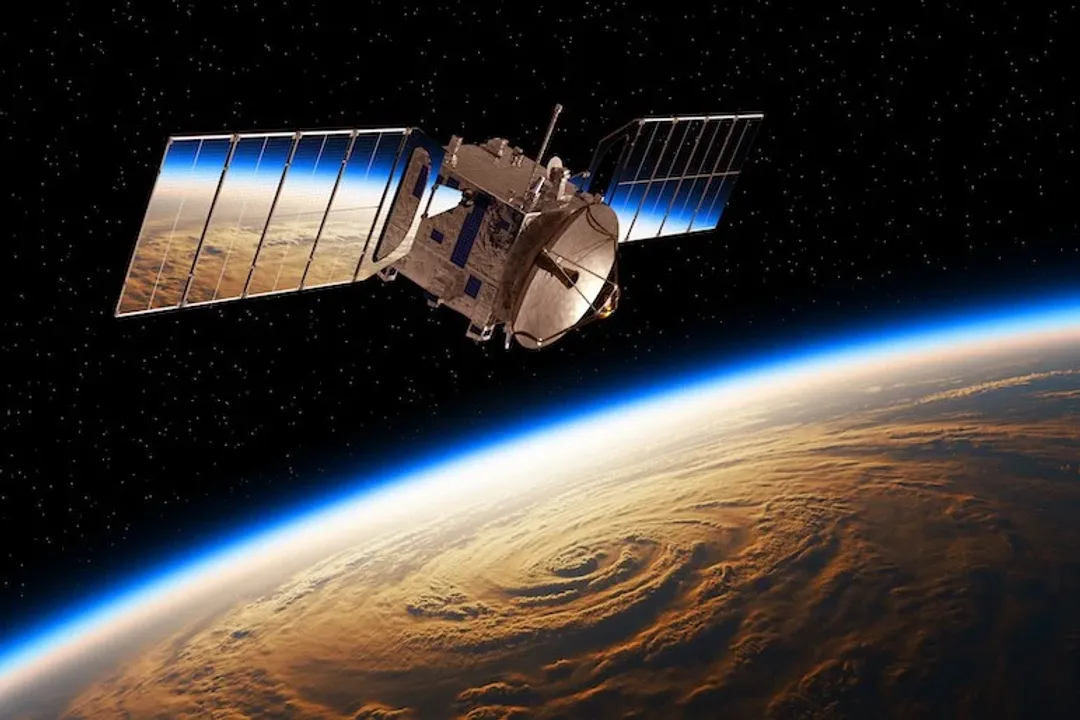
The debate surrounding the financial commitment to space science rarely settles into a quiet agreement; it flares up whenever budgets are discussed or when pressing terrestrial issues demand attention. Asking if space exploration is "worth the money" is less a question of pure accounting and more a query about our priorities as a civilization—what we value in the present versus what we invest in for the distant future. [8] It pits the immediate needs of people on Earth against the profound, sometimes abstract, returns of looking outward.
# Budget Scale
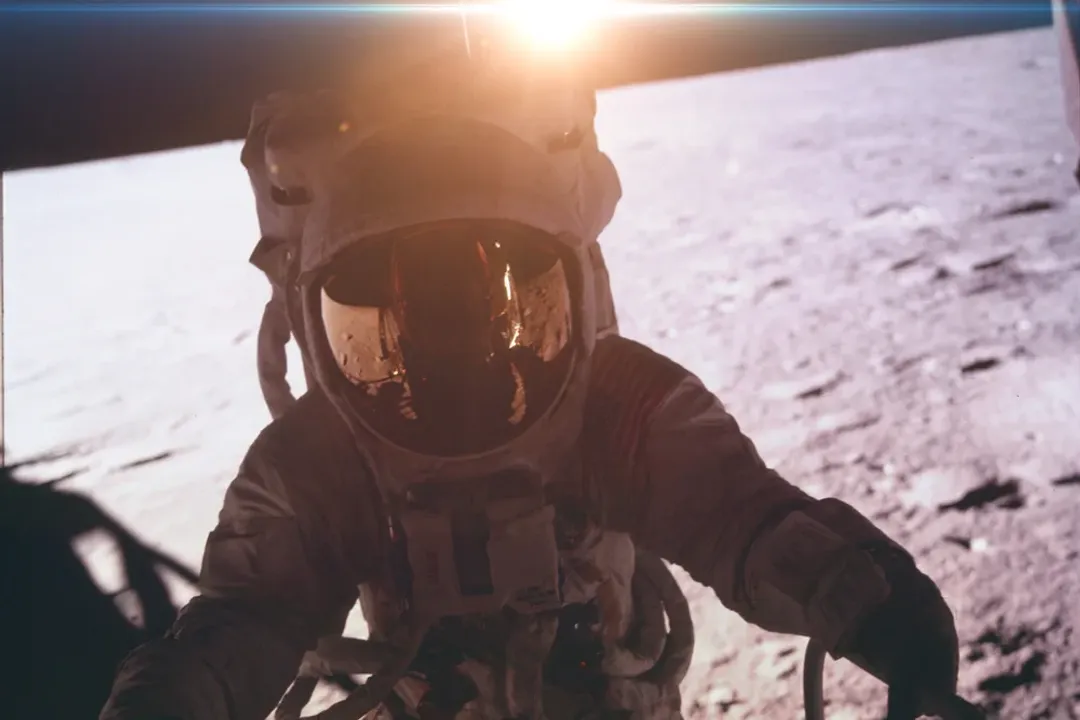
The sheer financial figures associated with space agencies can seem staggering at first glance. However, framing the cost requires context. For example, NASA's budget typically represents less than half a percent of the total United States federal budget. [5] When viewed as a proportion of overall government spending, the investment in space exploration is often dwarfed by allocations for areas like defense, social security, or healthcare. [10]
This relatively small allocation generates significant activity. For instance, NASA's budget funds missions that require expertise across countless engineering disciplines, from astrophysics to materials science, pushing the boundaries of what is technically possible. [5] The Planetary Society emphasizes that the investment is often spread across many years for complex missions, making the annual cost appear high but the long-term commitment manageable within existing fiscal structures. [1]
# Technological Spinoffs
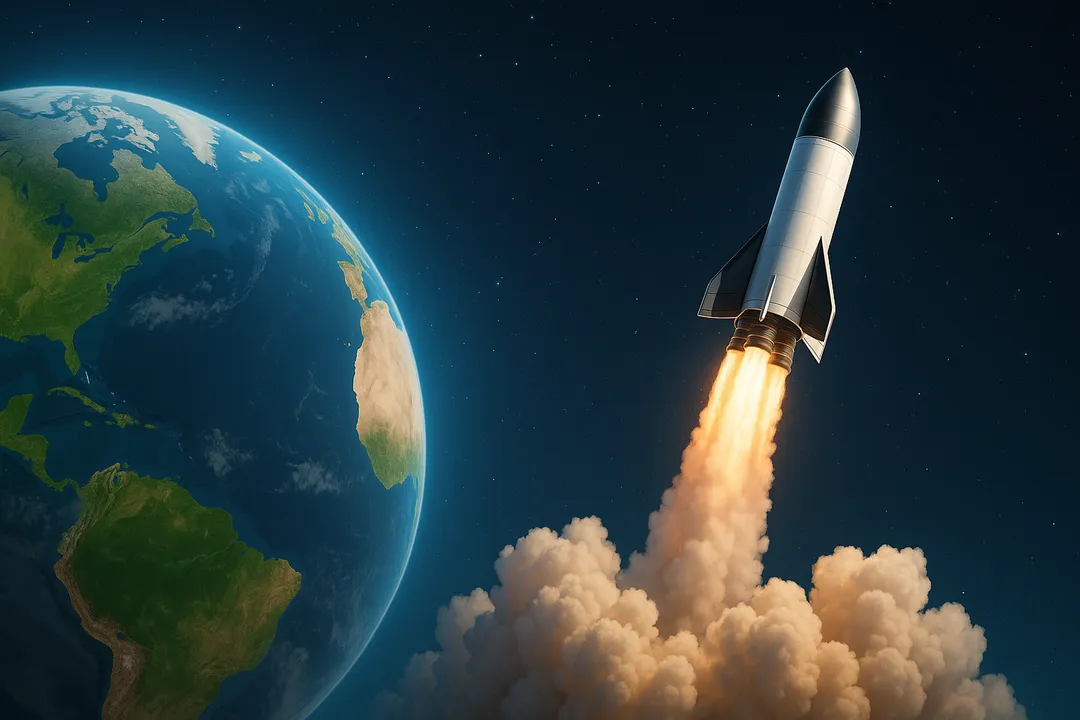
One of the most common justifications for space spending rests on the tangible benefits that trickle down to everyday life. The intense demands of sending equipment and people safely into extreme environments necessitate entirely new solutions, and these solutions often find applications here on Earth. [6][10] This process, known as technology transfer, has yielded everything from advances in medical imaging and water purification systems to improvements in satellite navigation used daily by billions. [5][6]
While tracing every dollar from a rocket booster to a consumer product is difficult, the effect on innovation is undeniable. The required precision and reliability for space hardware force a level of material and systems engineering that would be too risky or expensive to mandate through standard market mechanisms. It functions more like a forced diversification of a nation's technological portfolio, accepting high upfront risk in a single, ambitious arena to unlock entirely new classes of solutions that might otherwise remain undiscovered [Original Insight 1]. Furthermore, the competitive drive in aerospace often accelerates development cycles, bringing complex advancements to market faster than incremental research might allow. [10]

# Knowledge Gain

Beyond immediate material benefit, space science serves a fundamental human need: understanding our place in the cosmos. Missions targeting Mars, Jupiter's moons, or distant galaxies provide critical data about planetary formation, the chemistry of life, and the history of our own solar system. [6] This pure scientific knowledge expands our collective understanding of existence itself. [5]
This pursuit is not merely academic; it has direct defensive implications. Monitoring near-Earth objects through space science is essential for planetary defense, identifying potential threats that, if unchecked, could cause catastrophic damage on a global scale. [1] Successfully mitigating such a threat, even an unlikely one, arguably provides an infinite return on investment, as it ensures the continuation of society. [4]
# Earthly Priorities
Critics often voice a potent, morally charged argument: how can we justify sending probes to distant worlds when hunger, poverty, or climate instability persist on our own planet? [2] This perspective rightly centers human welfare as the highest ethical priority, arguing that funds dedicated to space are diverted from solving immediate, tangible suffering. [3][4] From this viewpoint, funding a Mars rover seems a poor substitute for improving global access to clean water or healthcare. [2]
However, the comparison requires a nuanced view of governmental resource allocation. If we consider the budget dedicated to space—often less than one percent of discretionary spending—redirecting that entire sum would provide only a small fraction of the funding needed to solve massive issues like global poverty or healthcare crises, which require trillions [Original Insight 2]. The political and economic decisions influencing those larger systemic issues are rarely tied directly to the space budget. Thus, while the aspiration to solve Earth's problems must remain paramount, the existence of space programs does not necessarily prevent action on domestic needs; it often acts as a separate, long-term investment stream. [1][5]

# Necessity and Future
Many advocates frame space exploration not as a luxury, but as a necessity for the long-term continuation of human civilization. [4][6] This argument hinges on risk mitigation. Earth, despite its current resources, remains vulnerable to a single, catastrophic event, whether from natural causes (like an asteroid impact) or self-inflicted environmental collapse. [1][4] Becoming a multi-planetary species is often cited as the ultimate insurance policy, ensuring humanity does not vanish entirely due to a localized disaster. [4]
Furthermore, as terrestrial resources inevitably become scarcer, accessing the virtually limitless materials available in asteroids or on other bodies becomes a crucial economic and survival imperative for future generations. [6] Investment in space today is, in part, research and development for the infrastructure required to access that off-world economy later. [4][10]
# Inspiration Factor
Finally, the value of looking up cannot be quantified purely in dollars or scientific papers. The Apollo missions, for example, are often cited as having created a massive surge in scientific literacy and interest in technical fields among young people. [6] The vision of exploration acts as a powerful cultural propellant, inspiring students to pursue careers in science, technology, engineering, and math (STEM). [5][6] This pipeline of highly trained individuals is essential for the nation's long-term economic competitiveness and its ability to solve any complex problem, whether it involves building a new telescope or designing better flood defenses. [1] The tangible result of this inspiration is a workforce equipped to handle the next generation of global challenges.
#Videos
Is space exploration worth the money? - YouTube
Related Questions
#Citations
Is space science worth the money? | The Planetary Society
Stop Spending Money on Space Exploration - The Perennial
Space exploration is not a luxury, it's a necessity : r/space - Reddit
Space Exploration: A Modern Necessity, Not a Luxury
Value of NASA
Why Should We Explore Space? What Are the Benefits for Us?
Why do some people argue that space exploration is worth the cost ...
Is space exploration worth the money? - YouTube
Is Space Exploration Worth the Cost? This Will Change Your Mind -