What was the very first food eaten in space?
The very first time a human being consumed a prepared meal while orbiting the Earth marks a small but significant milestone in space exploration history, one that involved squeezed tubes and surprisingly simple flavors. Before astronauts could enjoy thermostabilized dinners or fresh salad greens grown in orbit, the initial attempts at in-flight sustenance were dictated by the constraints of early rocketry and the fundamental physics of a zero-gravity environment. The focus was less on gourmet quality and more on ensuring calories were delivered without creating dangerous floating debris or choking hazards. [2][5] This initial foray into orbital dining set the stage for everything that followed, revealing immediate problems that needed solving for long-duration missions.
# First Orbit
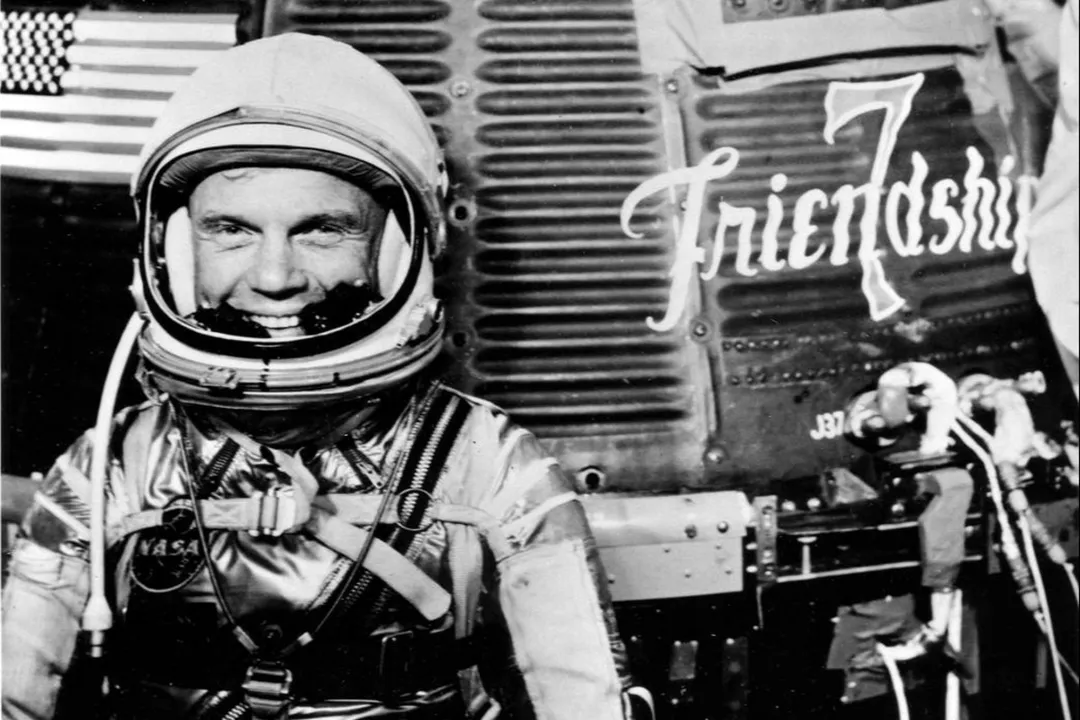
The historic moment for American astronauts occurred in February 1962, aboard the Friendship 7 mission. [3][7] This flight, piloted by John Glenn, was the first time an American had orbited the Earth, and with that milestone came the necessity of testing human consumables in space for an extended period. [3] While both Soviet and American programs had launched food into space earlier—often with animals or in unmanned tests—Glenn’s flight represented the first time an astronaut actively consumed food during an orbital mission. [5][6] The importance of this test cannot be overstated; successful eating demonstrated that astronauts could maintain their energy levels and cognitive function, which was vital for operating complex machinery millions of miles from Earth. [5]
# Glenn's Meal
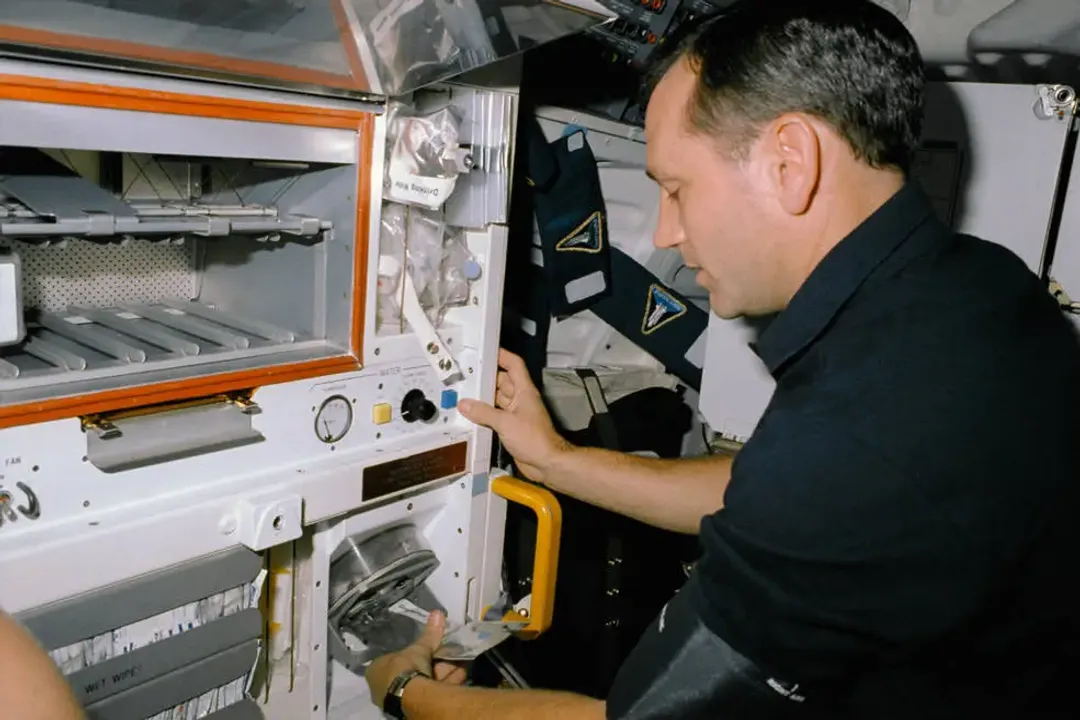
What constituted this groundbreaking first meal in orbit? It was a surprisingly straightforward combination of applesauce and beef cubes. [1][7][9][10] These weren't gourmet cuts or carefully mixed purees; they were basic foodstuffs, prepared and packaged specifically to overcome the challenges of weightlessness. [1] For the Soviet cosmonauts who preceded the American missions in orbit, their early food was also utilitarian, focusing on nutrient delivery in forms that were easy to manage in microgravity. [5]
The choice of applesauce and beef likely reflects the engineering priorities of the time: easily digestible, relatively high in immediate energy, and capable of being formed into a semi-solid or paste. [1] While space missions later moved toward rehydratable items that mimicked standard Earth meals, the initial Mercury menu was purely functional. If we look at how foods were engineered for early spaceflight, the approach mirrors attempts in other high-stakes, isolated environments, such as military survival rations, where texture and flavor take a back seat to caloric density and ease of storage. The fact that the crew needed to eat at all during a short orbital flight was a proof-of-concept in itself. [5]
# Tube Packaging
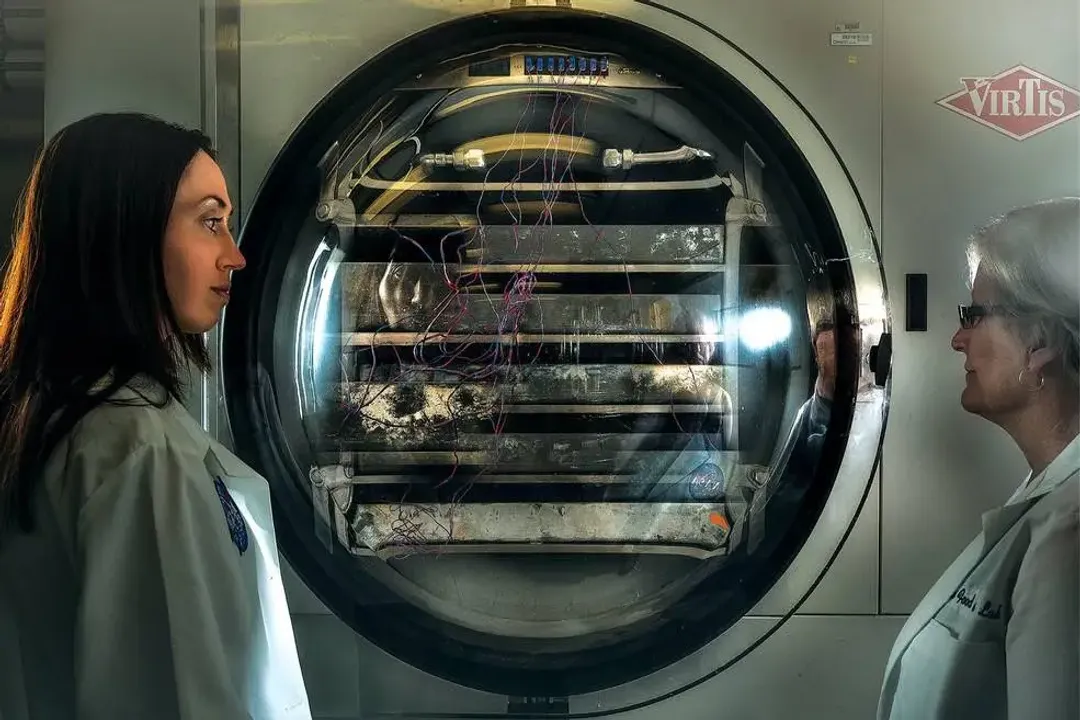
The delivery method for John Glenn's sustenance was as revolutionary as the act of eating it: the food came packed in toothpaste tubes. [1][7] This packaging decision was directly related to the primary concern of early space cuisine: preventing crumbs and liquids from escaping and contaminating the cabin equipment or floating into the astronaut’s eyes or breathing apparatus. [2][7] A floating droplet of liquid or a cloud of bread crumbs could spell disaster for sensitive electronics or pose an immediate physical hazard in zero-G. [2]
By extruding the applesauce or mashed beef directly from the tube into the mouth, the engineers ensured that all material remained contained until ingestion. [1] This tube system, which many later astronauts described as frustratingly difficult to squeeze completely empty, required the food to be processed into a soft, uniform consistency. [5] It is an interesting thought experiment to consider the psychological effect of consuming what was essentially baby food or highly processed paste, knowing that you were performing one of humanity's greatest technical achievements while eating it. [5] The texture, rather than the flavor, was the main engineering compromise for this first successful orbital meal.
# Early Challenges
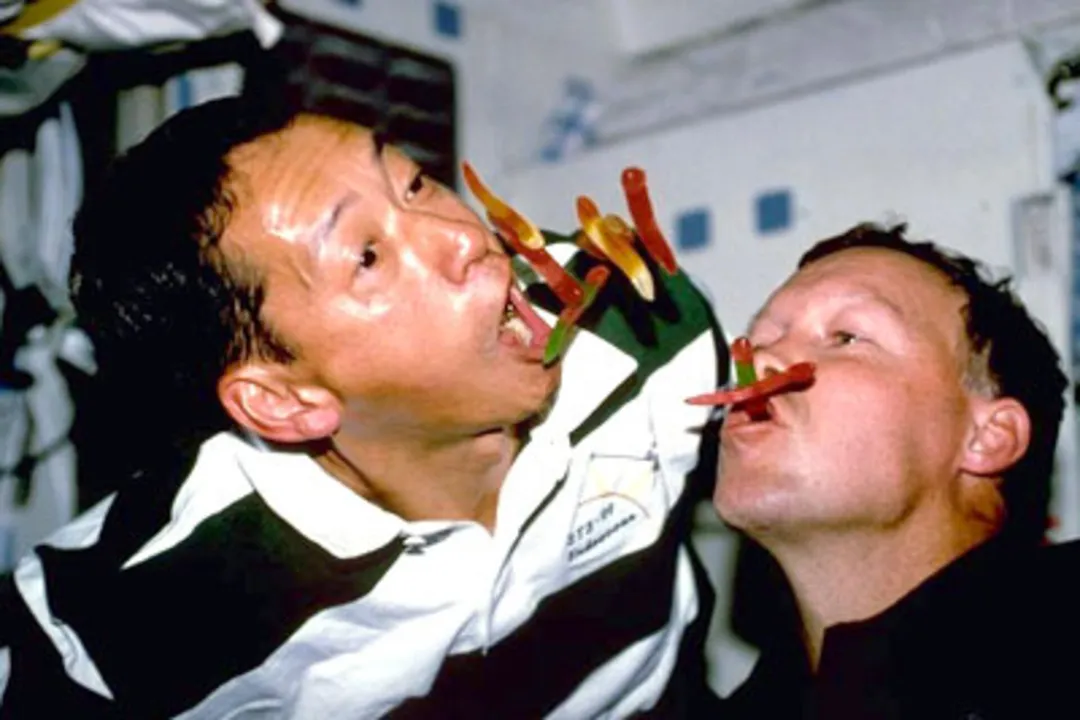
The early days of space feeding highlighted several hurdles that mission planners had to overcome. Besides the obvious issue of containment, early food often suffered from poor texture and flavor degradation due to the storage methods required for space travel. [5][10] In the Mercury program, astronauts were often fed via tubes, and while Glenn successfully ate, the entire system was inherently messy and awkward. [1][6]
One significant problem identified early on was related to the lack of gravity affecting sensory perception. Astronauts frequently reported that food tasted bland or muted in space. [5] This wasn't just a matter of taste buds changing; the absence of gravity alters fluid distribution in the body, causing nasal congestion that dulls the sense of smell, which is intrinsically linked to our perception of flavor. [5] Therefore, even the beef cubes and applesauce, while nutritionally sound, likely tasted less vibrant to Glenn than they would have on the ground. This realization later informed the development of spicier or more intensely flavored foods for subsequent missions. [5]
# Food Evolution
The lessons learned from the tube-fed missions quickly propelled the development of more sophisticated space food systems. The focus shifted from simple pastes to rehydratable food items, which offered better texture and allowed for a wider variety of choices. [5][10] This development meant astronauts could add water to freeze-dried meals, restoring them to something closer to their terrestrial counterparts. [5]
Following the Mercury and Gemini programs, Apollo missions introduced foods that were thermostabilized—heat-treated to kill bacteria and sealed in flexible pouches, similar to modern retort pouches used for survival meals today. [5] This allowed for hot meals, providing a significant psychological boost to the crew. [7]
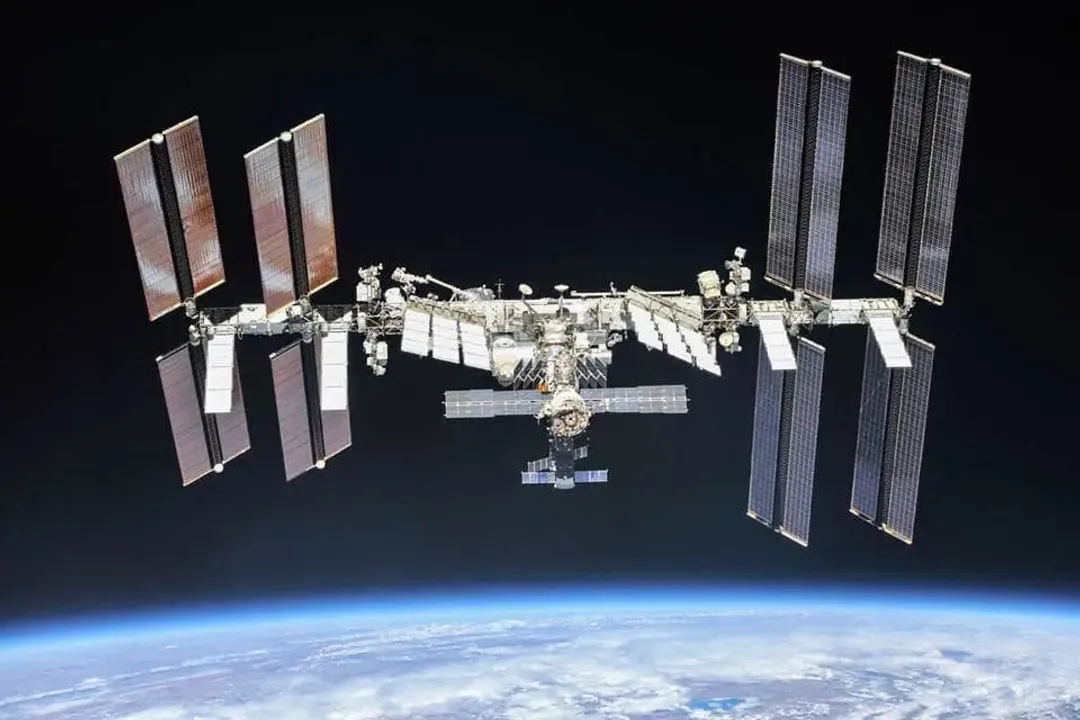
The evolution continued as missions grew longer, eventually leading to the current variety found on the International Space Station (ISS), which includes fresh produce grown in orbit alongside hundreds of pre-packaged options. [4] However, that first squeeze of applesauce from a metal tube by John Glenn remains the literal taste of breaking a fundamental barrier: proving that humans could, in fact, sustain themselves while living and working among the stars. [3][7]
| Mission Type | Primary Food Form | Example Food Items | Packaging Method |
|---|---|---|---|
| Mercury (Early) | Semi-Solid Paste | Applesauce, Beef Cubes | Squeezable Tubes [1][7] |
| Gemini/Apollo | Rehydratable/Thermostabilized | Various meals | Flexible Pouches [5] |
| ISS (Modern) | Rehydratable, Natural, Pre-packaged | Hundreds of items, fresh greens | Pouches, Containers [4] |
This progression from a simple tube delivery system to today's diverse menu illustrates the rapid advancement in biological engineering required to support long-term human presence off-world. [5][10] The challenge transitioned from "Can we eat in space?" to "How can we make eating in space enjoyable?". [4]
Related Questions
#Citations
First Food in Space: Toothpaste Tubes of Applesauce and Beef
Space Food - Space Foundation Discovery Center
TIL that in 1962, John Glenn was the first American to eat a meal in ...
Space Station 20th: Food on ISS - NASA
Space food - Wikipedia
What was the first food in space? - Quora
A Bite-sized History of Space Food - National Space Centre
Applesauce was the first food in space - Facebook
[PDF] History of Space Food - SFDC
What Was The First Food Eaten In Space? - IFLScience