Where can I watch the space shuttle launch?
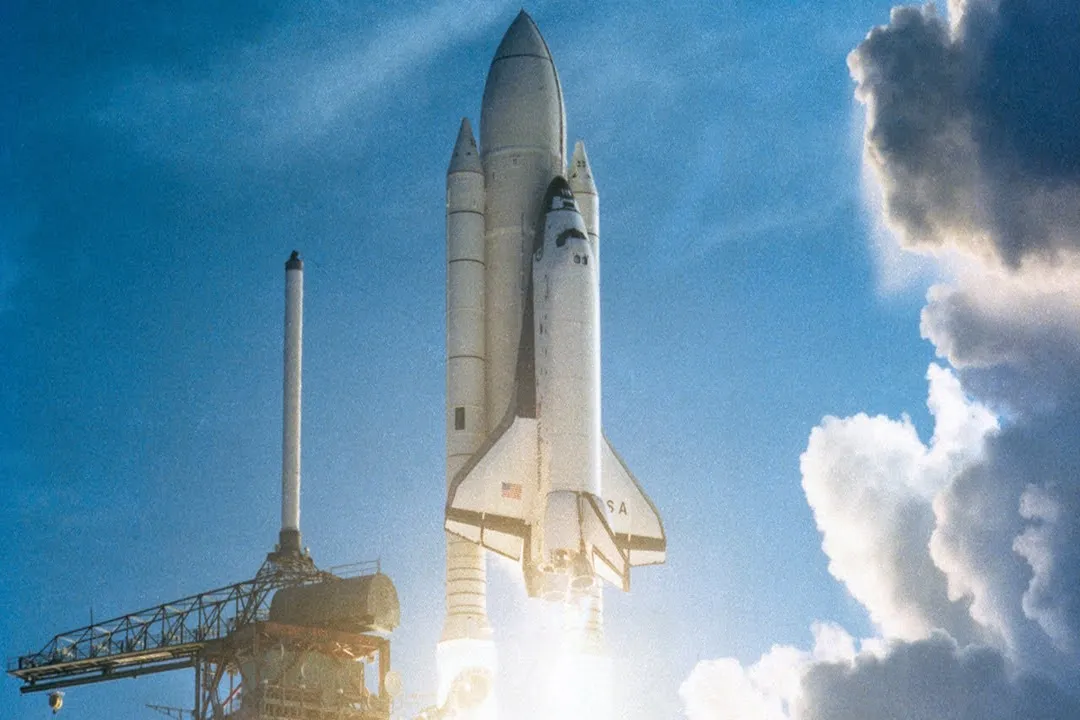
The thrill of watching a rocket ignite and climb toward the heavens is an experience unlike any other, whether you remember the majesty of the retired Space Shuttle program or are tuning in for the latest crewed mission. While the iconic silhouette of the orbiter is now part of history books, the launch pads at the Kennedy Space Center (KSC) remain among the most active on Earth, hosting a new generation of heavy-lift vehicles. For those wondering how to witness this spectacle, the options range from a comfortable seat in front of a screen to an unforgettable day spent near the Florida coast.
# Digital Access
For many space enthusiasts, the simplest and most reliable way to catch a launch is through online broadcasts. Major aerospace organizations dedicate significant resources to streaming these events live, offering multiple camera angles and expert commentary right up to the moment of liftoff and beyond. NASA typically broadcasts its missions across platforms like the NASA TV public channel, its official website, and its social media channels, including YouTube.
When seeking out these livestreams, remember that the experience can vary. Some YouTube feeds focus purely on the visual spectacle, allowing you to soak in the sheer power of the rocket without interruption, much like watching raw launch footage. Others provide detailed, second-by-second mission commentary that is invaluable for understanding the technical milestones of the ascent phase. If you are following a commercial flight, such as one by SpaceX, their dedicated website and social media channels will host their own highly produced streams, often featuring interviews and unique perspectives leading up to the launch window.
An interesting observation when comparing these digital experiences is the shift in focus. While official NASA coverage provides deep procedural context, commercial providers often focus on the vehicle itself and its immediate mission goals, reflecting the different stakeholders involved. To maximize your enjoyment, planning ahead to watch a feed that matches your primary interest—be it engineering deep-dive or pure visual awe—is the first step.
# Viewing Locations
Witnessing a launch in person transforms the experience from a video to a visceral event. The primary area for observing launches, especially from historic NASA sites, is the Space Coast of Florida. For NASA missions departing from KSC, there are designated official viewing areas.
The Kennedy Space Center Visitor Complex itself offers ticketed viewing packages for many launches. These packages often include admission to the complex for the day, access to special viewing sites away from the main areas, and sometimes even real-time commentary from space experts. Securing these tickets is highly recommended, as they are managed and provide a secure, informed environment, though they often sell out quickly, especially for high-profile missions.
Beyond the official complex, there are public areas surrounding the region. The causeway leading to the Cape Canaveral Space Force Station, for instance, is a popular spot, though it can become very crowded.
When evaluating where to position yourself, consider the launch azimuth—the direction the rocket travels after clearing the tower. If a launch is heading east over the Atlantic, as most are from KSC, you get a full, unobstructed view of the ascent and, importantly, the sound arrives relatively unimpeded across the water. For missions launching from Vandenberg Space Force Base on the West Coast, the viewing geometry is different, often requiring viewers to look north or south along the coastline, which can impact sound arrival and visibility depending on the exact pad location.
# Proximity Impact
The physical distance from the launch site dramatically changes the sensory experience. At great distances, you might only see a bright light climbing slowly against the blue sky. However, getting closer introduces the famous "sound and fury".
One practical consideration many first-time viewers overlook is the sonic experience. The sound of a powerful rocket launch travels at the speed of sound, which is significantly slower than the speed of light. This means you will see the brilliant flash of ignition, watch the rocket ascend for several seconds, and then the deep, chest-rattling roar will arrive. If you are far away, the sound might be muted or delayed substantially, turning the event into a beautiful but silent visual display. Conversely, positioning yourself closer—though never too close for safety—ensures you feel the shockwave. This time delay between sight and sound is a unique physical marker of how far away you are, something you can actually use as a rough distance estimator if you know the launch time.
# Scheduling and Updates
Tracking a launch schedule is critical, as dates and times are constantly shifting due to weather, technical checks, and mission requirements. For any major launch, the best first step is to check the official schedule for the organization operating the vehicle. If NASA is flying a mission atop a commercial vehicle, checking both the NASA mission page and the commercial provider's launch calendar is prudent.
These schedules are rarely fixed more than a few days out. For instance, a planned Tuesday launch might slip to Wednesday due to high upper-level winds or required hardware inspections. Once you have a target date and time, you must then check the specific viewing conditions for that day.
# Weather Dependency
Weather dictates virtually every launch scrub. Visibility, cloud cover, surface winds, and upper-level winds all play a role. A common misconception is that rain cancels a launch; often, moderate rain is acceptable, but lightning within a certain radius (usually 10 nautical miles) of the launch pad is an absolute no-go. Furthermore, the cloud ceiling matters immensely. If the launch is scheduled for a high overcast sky, even if it's not raining, the visual impact is drastically reduced because the rocket disappears into the clouds almost immediately, diminishing the grandeur of the ascent profile. When planning an in-person trip, it is wise to schedule for a few potential backup days, rather than banking everything on the initial target date, particularly for missions requiring specific orbital mechanics.
# Photography Tips
If you plan to capture the moment, preparation detailed in viewing guides extends far beyond just finding a good spot. Photographers should prepare for the dynamic range of light—from the brilliant white plume against a blue sky during the day to the fiery spectacle against the dark night sky.
For daytime launches, high shutter speeds are essential to freeze the motion of the rocket and any escaping gases, but you'll need to compensate with a lower ISO or a wider aperture. Night launches offer a different challenge and reward. The light from the engines and boosters creates intense illumination, but the ambient light levels are extremely low. You will need a sturdy tripod and likely exposures measured in fractions of a second or even full seconds to capture the full plume structure against the darkness. Because the launch plume is a dynamic light source, many experienced observers suggest treating the launch as a light painting exercise rather than a standard daytime action shot.
# Historical Echoes
While we look forward to new missions, it is worth recalling the era of the Space Shuttle. The Shuttle era represented an immense commitment to reusability, one that captured the global imagination for three decades. A collection of historic footage allows enthusiasts to revisit those moments, often in high-quality recordings, which can enhance appreciation for the current efforts by showing the lineage of rocketry. Comparing the relatively slower, controlled ascent of the Shuttle stack, which used solid rocket boosters and external tanks, to the often-faster, cleaner lift-off of modern, partially reusable rockets like the Falcon 9 provides context on how launch technology has evolved in just a few decades.
The visual catalog of the Shuttle launches demonstrates the sheer scale of the launch infrastructure built at KSC, which, even partially repurposed, still forms the backbone of American human spaceflight operations today. The historical record confirms that the viewing challenges—weather delays, sonic boom timing, and the need for clear sightlines—were just as relevant then as they are now.
# Final Preparations
Whether you choose the convenience of a live stream or the unforgettable reality of being on the Space Coast, successfully watching a launch requires attentiveness to detail. Before driving to a viewing spot, always verify the official "Go/No-Go" status, as this information is often released just a few hours prior to the targeted liftoff time. Always have your primary and secondary viewing methods ready—for example, have a backup stream queued in case the preferred channel experiences technical issues, or have a known secondary physical spot in mind if your primary causeway location becomes unexpectedly packed. The best viewing experience is always the one you are prepared for, regardless of the final outcome on launch day.
#Videos
NASA's Final Space Shuttle Launch 10th Anniversary Replay
Watch the first Space Shuttle launch and land on the 40th anniversary
STS-129 HD Launch - YouTube
Related Questions
#Citations
NASA's Final Space Shuttle Launch 10th Anniversary Replay
See a Launch Up Close! - NASA
Launches - SpaceX
What's the best way to watch a NASA space launch in person?
Rocket Launch Viewing Guide for Cape Canaveral
How can we see NASA's launches at Kennedy Space Center in ...
Space Shuttle Video Library – NSS