Why can't Boeing Starliner come back?

The Boeing Starliner capsule’s mission profile has been significantly altered, leaving its two astronaut passengers, Butch Wilmore and Suni Williams, aboard the International Space Station (ISS) for an indefinite period while engineers analyze critical technical faults within the spacecraft. What was intended as a brief test flight to certify the vehicle for regular crew rotation missions has turned into a prolonged stay dependent on troubleshooting problems that manifested both en route to orbit and while docked. The immediate question shifts from when the crew will return to how they will return, given the uncertainty surrounding the capsule’s readiness for reentry.
# Propulsion Failures
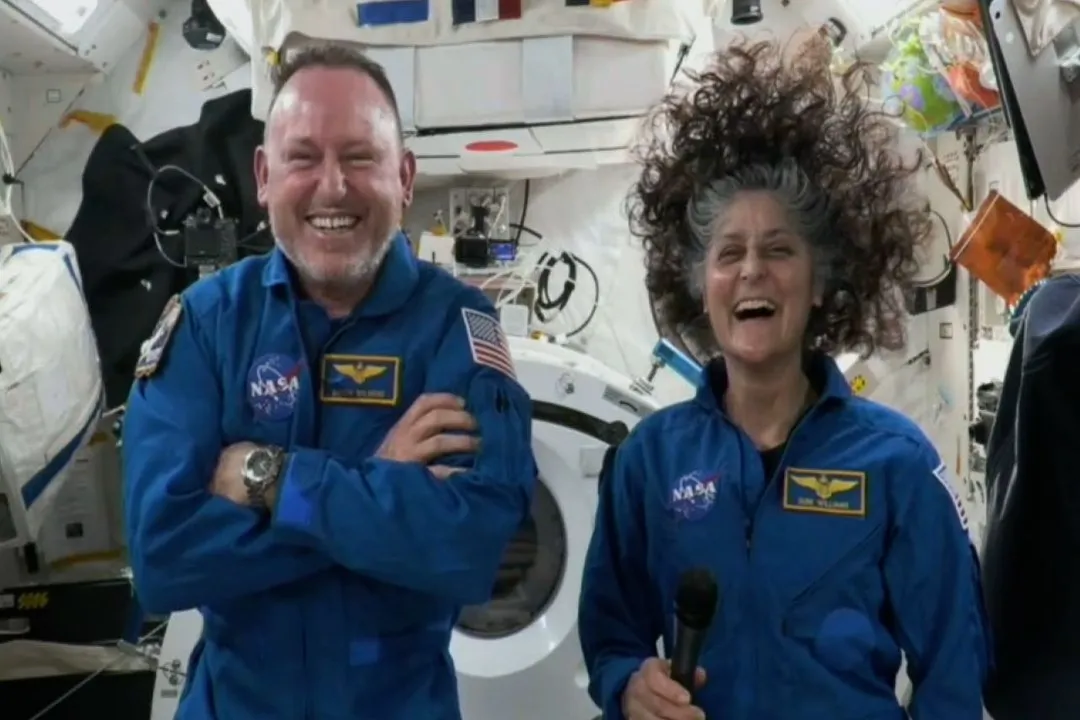
The primary complication preventing the Starliner’s timely departure stems from issues detected in its propulsion system, specifically the Reaction Control System (RCS) thrusters. During the journey to the ISS, five of the 28 maneuvering thrusters failed, though ground control managed to bring four of them back online before docking. While this initial issue was resolved well enough for arrival, the complexity deepened after reaching the station.
Following the successful docking, engineers discovered unexpected helium leaks within the system. Helium is not propellant but is used to pressurize the lines that feed the actual fuel and oxidizer to the thrusters. The presence of multiple leaks—reports mentioned five significant ones—is a serious safety concern because these leaks can potentially lead to performance degradation during the high-demand maneuvers required for undocking, orbital adjustments, and the final deorbit burn. Every attempt to analyze or test the thrusters for return feasibility risks worsening the leaks or depleting critical reserves. This cautious approach is necessary because the reentry sequence is unforgiving; there is no opportunity to fix the thrusters once the capsule commits to leaving the station's vicinity.
# Safety Protocols
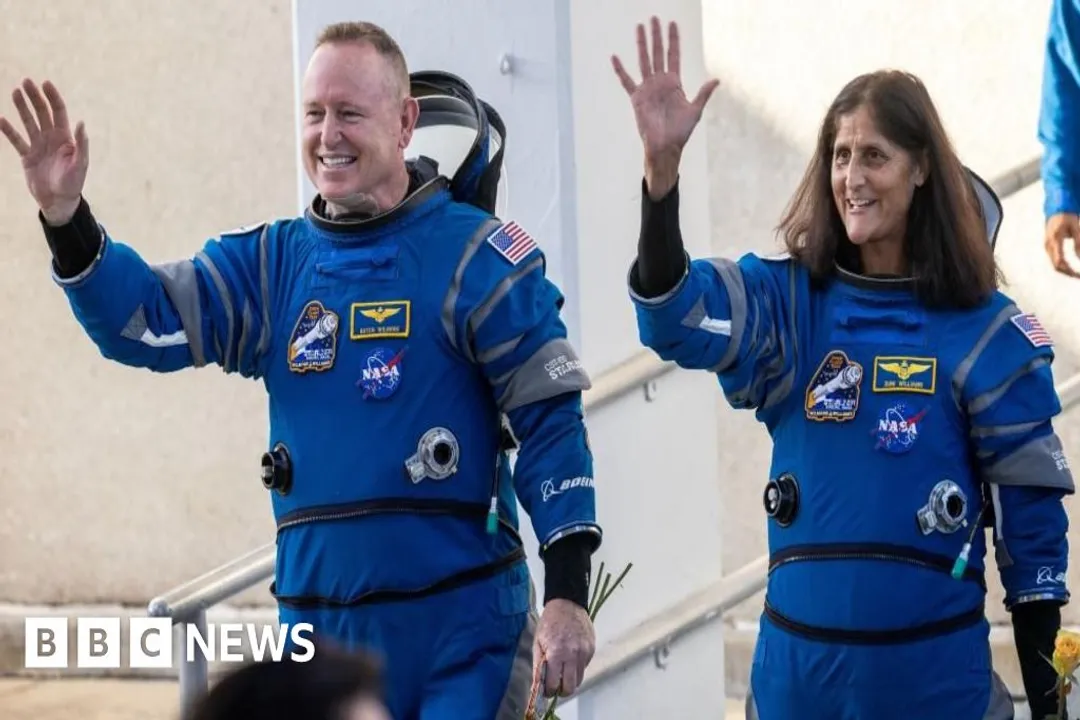
NASA and Boeing have emphasized that the decision to delay is rooted in adhering strictly to safety margins for the crew. The astronauts remain safe and productive aboard the ISS, which has ample supplies to host them longer. However, the window for a safe return is dictated by the vehicle’s condition, not the crew’s schedule. The agency noted that the crew remains safe and that the vehicle is performing well while docked, yet the accumulated data confirmed that more time was required for a thorough engineering review.
The ground teams needed extended time to evaluate whether the current propulsion configuration could safely handle the stresses of undocking and a successful atmospheric reentry, especially considering that the leaks occurred in a system intended to be fully sealed and stable during the mission. The process involved running more hot-fire tests on the remaining operational thrusters while monitoring the pressure changes in the helium tanks—a delicate balancing act of gathering necessary data without compromising the spacecraft.
# Return Strategy Shift
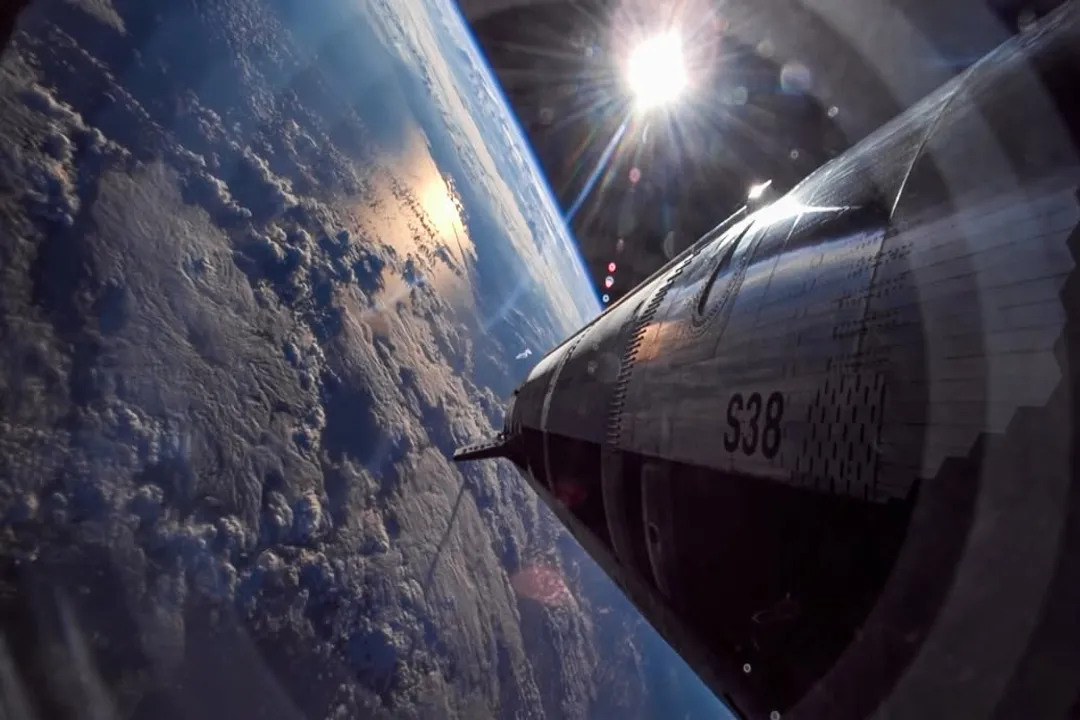
Faced with mounting schedule pressure and the need to clear the ISS docking port for future traffic, NASA ultimately decided to change the plan for bringing the Starliner home. Instead of waiting for a full sign-off on the technical issues for a crewed return, the agency decided to bring the Starliner back uncrewed. This pivot essentially treats the capsule’s current flight as a final, extended on-orbit test for its systems, irrespective of the crew inside.
This means Wilmore and Williams will not be riding the Starliner back to Earth. Their ride home is now planned to be aboard SpaceX’s Crew Dragon spacecraft, which serves as the designated contingency vehicle for emergency crew return from the ISS. While this contingency plan exists for situations like a major ISS issue, repurposing it for a problem with a visiting vehicle underscores the high bar set for human spaceflight certification. The fact that NASA is relying on a competing commercial provider to return Boeing’s astronauts speaks volumes about the complexity of certifying new flight hardware under intense public and budgetary scrutiny.
While the Starliner mission has experienced significant schedule slip—it was initially planned for a much shorter duration—the capability of the ISS to host an extra two crew members for several weeks mitigates the immediate emergency aspect of the situation. The primary concern remains ensuring that the capsule’s next, empty flight—or a future crewed flight—can successfully execute the complex deorbit sequence.
# Program Context
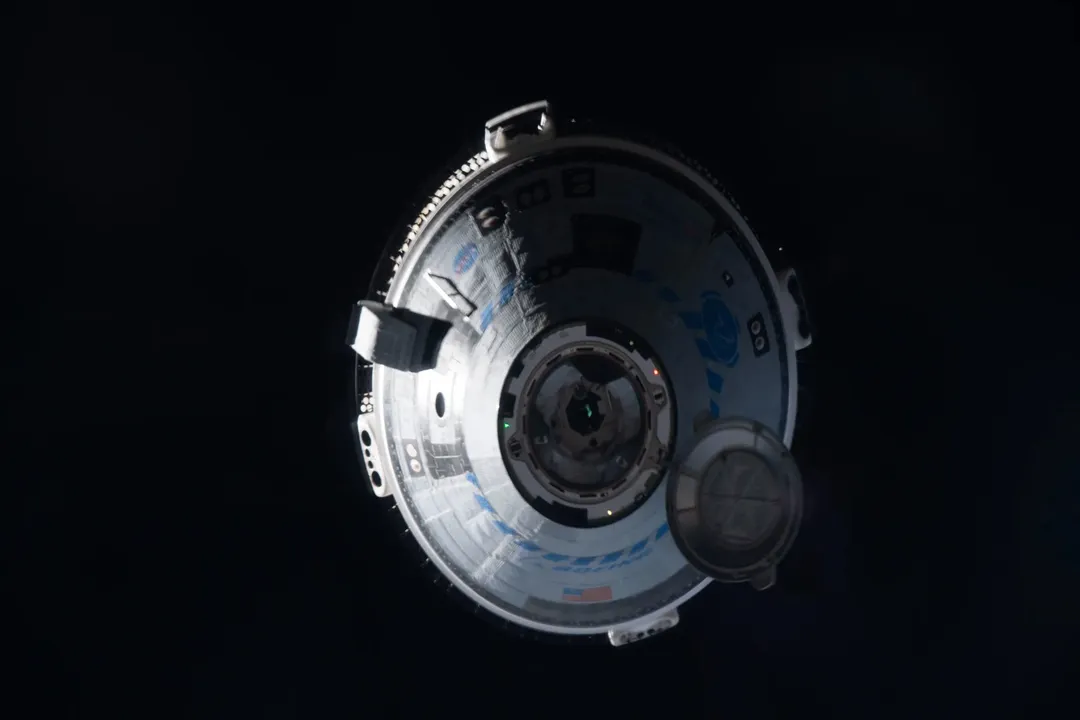
Boeing’s Commercial Crew Transportation Capability (CCDev) contract with NASA has always been contingent upon achieving a fully operational, certified return capability. The flight test period, meant to finalize this certification, has been marked by delays stretching back years. This latest incident forces a re-evaluation of the entire vehicle's flight readiness beyond just the near-term docking phase.
It is worth noting that while the issues are severe, they are fundamentally different from those encountered during the uncrewed Orbital Flight Test (OFT-1) in 2019, where software errors caused the capsule to miss the station entirely. Here, the problems are hardware-related—leaks and thruster degradation—which engineers must understand and mitigate for the long haul of the Starliner program. The need to gather comprehensive data on the helium leaks is particularly pressing because if those leaks continue to grow slowly, they could compromise the ability to maintain attitude control during reentry even if the main deorbit burn is successful.
The astronauts themselves are actively supporting the extended stay by becoming data conduits. They are running specific system checks on the capsule while it remains docked, providing high-fidelity, real-time feedback that complements the telemetry received by mission control. This on-the-spot observation from trained eyes offers procedural context that pure sensor data sometimes lacks, effectively turning the extended stay into an unscheduled, high-value diagnostic phase for the propulsion system.
This situation also presents an interesting comparison point for commercial spaceflight reliability. While SpaceX’s Crew Dragon has quickly become the workhorse for crew rotation, establishing a pattern of predictable success once crewed flight was achieved, Starliner is still fundamentally battling the demon of initial hardware validation. The rigorous testing and troubleshooting period Starliner is currently undergoing, though frustrating for the crew's return schedule, is precisely the kind of rigorous failure analysis required to secure long-term trust in any new human-rated system. The final assessment of the capsule’s ability to return—empty or full—will dictate how quickly NASA can transition it into regular service.
#Videos
Why NASA delayed the return date for Starliner astronauts still in ...
Related Questions
#Citations
Starliner's flight to the space station was far wilder than most of us ...
Why Hasn't Starliner Returned? - CSIS
Boeing Starliner astronauts say they aren't stuck in space - CNN
NASA Decides to Bring Starliner Spacecraft Back to Earth Without ...
'Doghouse' days of summer — Boeing's Starliner won't fly again until ...
Why NASA delayed the return date for Starliner astronauts still in ...
What happened to the Boeing Starliner spacecraft that prevented ...
Astronauts Suni Williams and Butch Wilmore recall tension of ... - BBC
Why NASA is turning to SpaceX to bring Boeing Starliner astronauts ...