Why did the Starliner return to Earth without the astronauts?
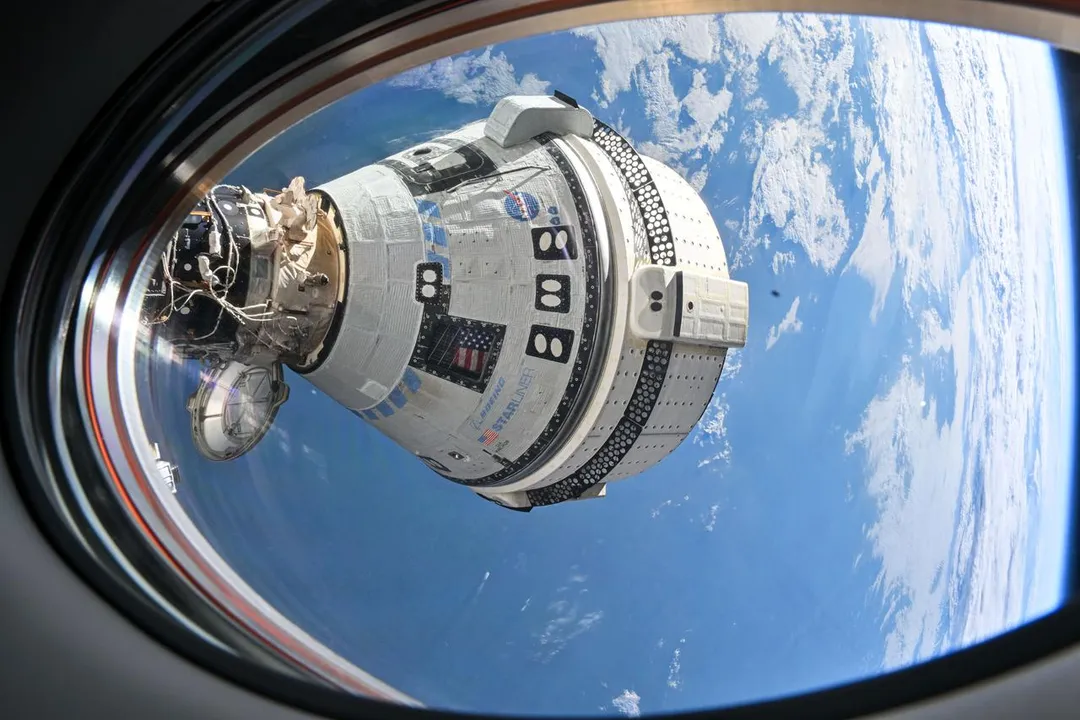
The capsule, officially designated for NASA's Crew Flight Test (CFT), performed a landing devoid of its assigned crew, marking an unusual conclusion to a mission intended to certify the Boeing Starliner for routine astronaut rotation flights to the International Space Station (ISS). The decision to bring the spacecraft, known as Calypso, back to Earth without astronauts Butch Wilmore and Suni Williams on board was not the original plan but a calculated adjustment made by NASA and Boeing after the crew had already successfully docked with the ISS. This configuration—a capsule arriving back at Earth empty after ferrying astronauts to orbit—shifts the focus from a simple successful return to a complex assessment of the vehicle’s performance and safety protocols under extended operation away from its intended ground support systems.
# Mission Context
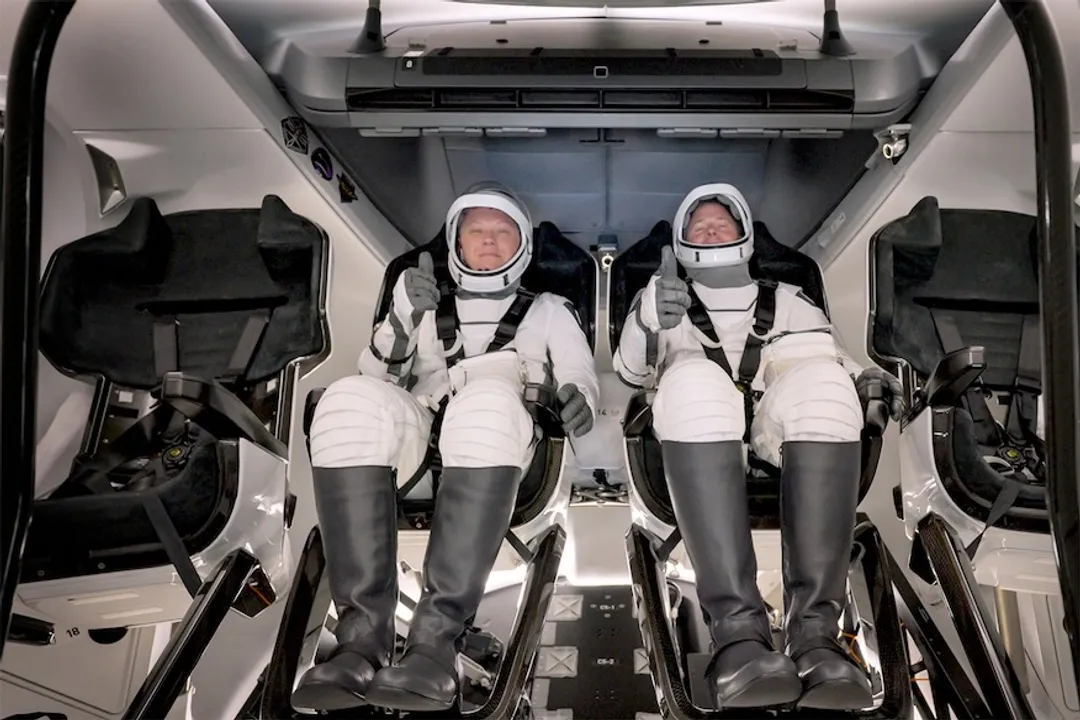
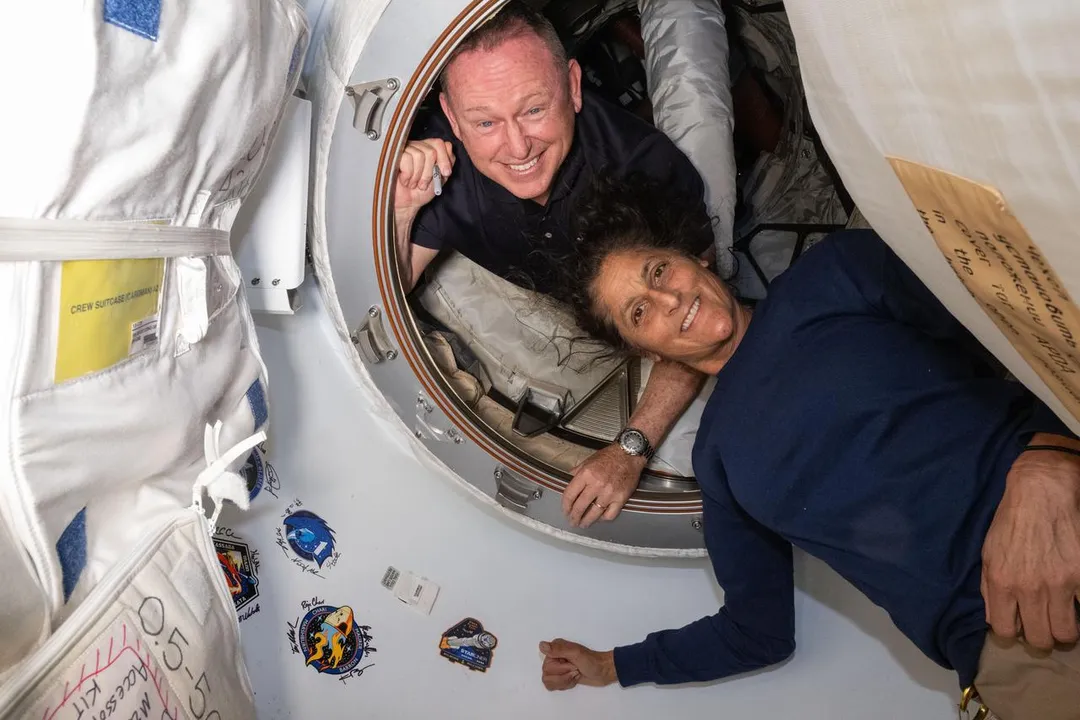
The entire purpose of this specific flight was to put astronauts aboard the Starliner for the first time and have them return safely, thereby completing the requirements for the Commercial Crew Program certification. Butch Wilmore and Suni Williams launched aboard the Starliner, achieving a significant milestone for Boeing after years of development and previous uncrewed tests. Their successful docking and integration with the ISS demonstrated the vehicle's capability to deliver crew to the orbiting outpost. However, the mission encountered technical challenges while the astronauts were already in space, creating a situation where the team needed more time on the ground to analyze the vehicle's in-flight performance data before clearing it for an immediate crew return.
# Technical Hurdles
During the Starliner’s time attached to the ISS, several issues came to light that warranted closer examination than initially expected. Reports indicated problems with the capsule’s propulsion system, specifically related to its reaction control system (RCS) thrusters. These thrusters are vital for maneuvering, docking, and importantly, setting the capsule on the correct deorbit trajectory. While the astronauts managed to handle some of these anomalies while docked, the decision was made to keep them on the ISS longer as engineers analyzed the data collected from the in-space performance of the capsule. The extended stay of the astronauts essentially decoupled the crew’s return timeline from the spacecraft’s return timeline for this specific test flight. The goal shifted from proving rapid turnaround capability to ensuring absolute safety based on accumulating operational hours and stress on the hardware.
# NASA Decision
The official announcement detailed that NASA decided to return Starliner to Earth without the crew after extensive review and consultation. This was a safety-first approach, prioritizing a thorough engineering review of the capsule's systems, especially those that experienced issues in orbit, over adhering to the original crew return schedule. Keeping the astronauts at the ISS for an extended period, facilitated by the presence of other crew rotation vehicles or simply increased capacity on the station, provided the necessary buffer time. The return vehicle was scrubbed for crew occupancy to allow engineers more time to diagnose and understand the performance characteristics of the affected systems under real spaceflight conditions. This approach contrasts sharply with standard operations, where the return capsule is typically ready to go shortly after the crew transfers; here, the vehicle itself became a subject of extended post-flight analysis while still in space.
# Extended Stay
Astronauts Wilmore and Williams found themselves aboard the ISS for a much longer duration than originally scheduled for the CFT mission. This situation, sometimes described with the dramatic implication of astronauts being stranded in space, was managed through mission extension and contingency planning. The ISS team and Mission Control adapted to accommodate the prolonged stay while the Starliner remained docked but unoccupied for its final phase of operations. The decision effectively treated the Starliner as an uncrewed test article for its return leg, allowing it to demonstrate its autonomous capabilities one last time without risking human lives during potential unexpected failures during reentry. The extended stay of the two astronauts meant that their return was eventually facilitated by a separate vehicle or a later scheduled return of the Starliner itself, which itself became a subject of attention and calls for a 'fast-track' return for the crew members.
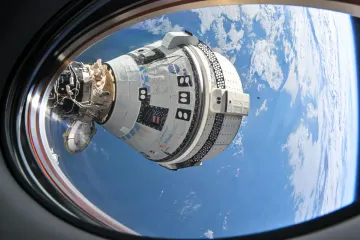
# Autonomous Flight
The fact that Starliner successfully executed its return trajectory and landing without the crew aboard highlights a key design feature: the ability to operate autonomously during the return sequence. The spacecraft is designed to manage critical phases like undocking, deorbit burn, and atmospheric reentry on its own, relying on its flight control software. This autonomous capability was crucial in this scenario, as it allowed the capsule to complete its mission segment—bringing the hardware safely back to a designated landing zone—even though the primary human cargo remained safely aboard the ISS. The autonomous system's successful execution without immediate crew oversight provided valuable data regarding the health of the guidance, navigation, and control systems following the anomalies experienced earlier in the mission.
This uncrewed return, while unusual for a Crew Flight Test, serves a distinct purpose in the certification process that might be overlooked: it separates the performance test of the life support and docking systems (completed with the crew aboard) from the performance test of the unassisted deorbit and reentry systems after the system has been stressed in orbit for an extended period. When designing a human-rated vehicle, demonstrating that it can land itself safely without crew input is a fundamental requirement, and this flight provided that data under post-flight-anomaly conditions, which is arguably a more rigorous test than a nominal uncrewed demonstration flight.
# Program Implications
The sequence of events surrounding the Starliner's return carries significant weight for NASA's Commercial Crew Program and Boeing's reputation. The entire point of this final test was to transition to operational flights, yet this crucial demonstration ended with the capsule flying home solo after technical concerns arose. When an aerospace program faces publicized technical challenges, especially following previous setbacks in the development pipeline, there is immense pressure to ensure that subsequent steps—even seemingly minor ones like an uncrewed return leg—are executed flawlessly to rebuild confidence. The vehicle's ability to sustain the crew for a longer period while it remained parked at the station demonstrates resilience, but the necessity of separating the crew from the return vehicle underscores that the system was not yet fully cleared for nominal crewed departure and landing. From an operational standpoint, having the ISS available to act as a temporary safe harbor for the astronauts when their return vehicle needed extra ground analysis time proved to be an invaluable contingency, showcasing the flexibility of the integrated ISS architecture, even if it resulted in an awkward conclusion to the Starliner test. This situation inherently requires a deeper dive into the failure modes and margins built into the design, leading to a heightened scrutiny of the data before the next crewed flight can be approved. It suggests a conservative posture, where engineers preferred to spend weeks analyzing the thruster performance data while the astronauts waited, rather than risking a hasty sign-off for reentry.
Related Questions
#Citations
NASA Decides to Bring Starliner Spacecraft Back to Earth Without ...
The Boeing Starliner Has Returned To Earth Without Its Crew
Boeing's Starliner spacecraft will attempt to return to Earth ... - Reddit
'We're not stuck.' Why Boeing's Starliner isn't returning to Earth (yet)
How did Boeing's Starliner autonomously return to Earth, and why ...
nasa - What caused 2 astronauts to be stranded in space
President Trump calls for fast-track return to Earth of the former ...
'There was some tension in the room:' NASA says of ... - Space
After 9 months in space, NASA astronauts who flew on Boeing's ...