What is the rarest type of meteorite found on Earth?
The void of space deposits visitors on Earth with some frequency, yet the discovery of any extraterrestrial rock, a meteorite, remains an exceptional event for the average person. When considering which type holds the title of "rarest," the answer shifts depending on the classification system used, spanning from broad compositional groups to specific, chemically unique subclasses. Meteorites generally fall into three major families based on their makeup: stony, iron, or stony-iron. While the general public might focus on the shininess of a metal specimen or the visual intrigue of a highly priced find, the truly rare material often holds the key to understanding the solar system's earliest moments.
# Major Class Rarity
Meteorites are first divided into the most common group, stony meteorites, which are rich in silicates. On the other end of the compositional spectrum are iron meteorites, composed primarily of metallic iron and nickel. Sitting between these two extremes are the stony-iron meteorites, a class defined by containing almost equal parts metal and silicate material. Based on these broad compositional categories found across the globe, the stony-iron group is often cited as the rarest type encountered on Earth. However, looking deeper into the subtypes reveals even more statistically scarce specimens that have survived atmospheric entry, creating unique scientific treasures.
# Extreme Fall Scarcity
Rarity becomes even more pronounced when scientists focus only on meteorites whose fall through the atmosphere was actually observed and documented. This distinction between a "find" (a rock discovered with no witnessed fall) and a documented "fall" is critical for scientific integrity, as observation allows researchers to trace the object's orbit and origin. From 1900 through 2024, only about 854 recognized meteorite falls were recorded across the entire planet, averaging fewer than seven per year globally. In that same period, North America recorded only about 1.2 observed falls annually. This low occurrence rate establishes a baseline for how rare any documented fall is, let alone a specific type.
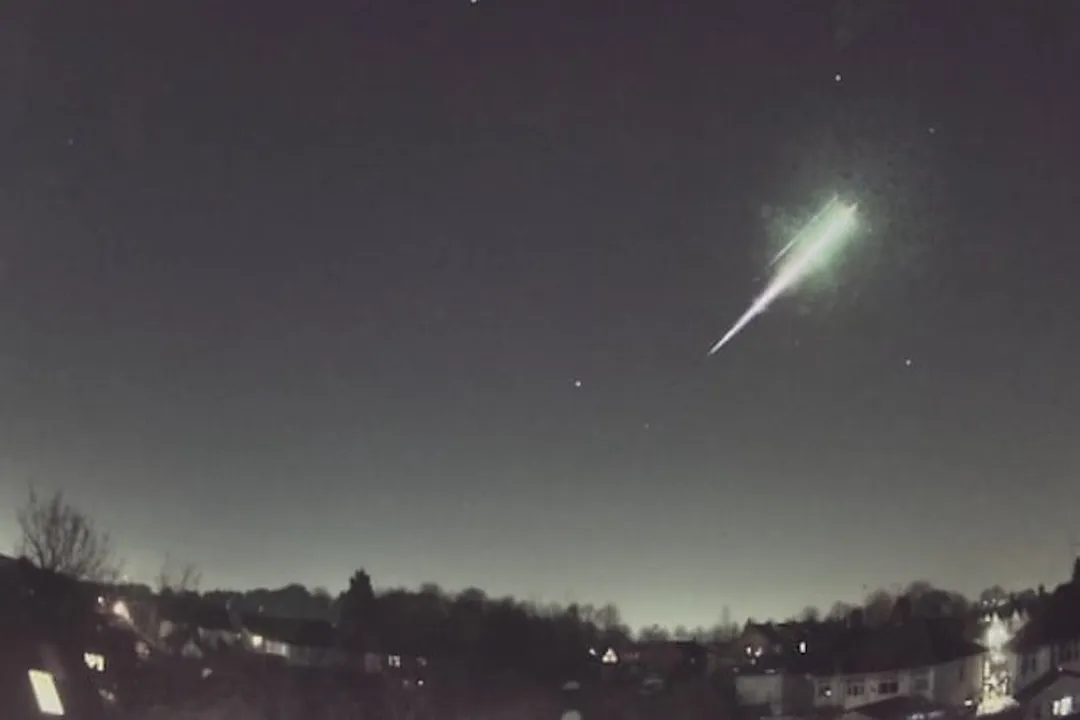
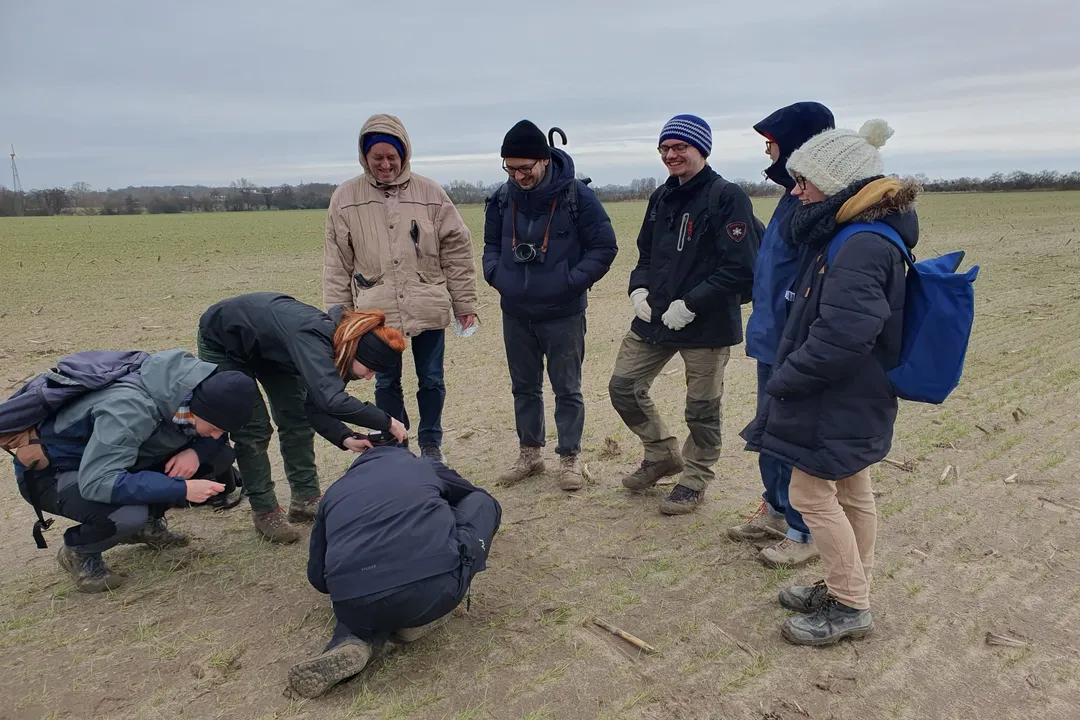
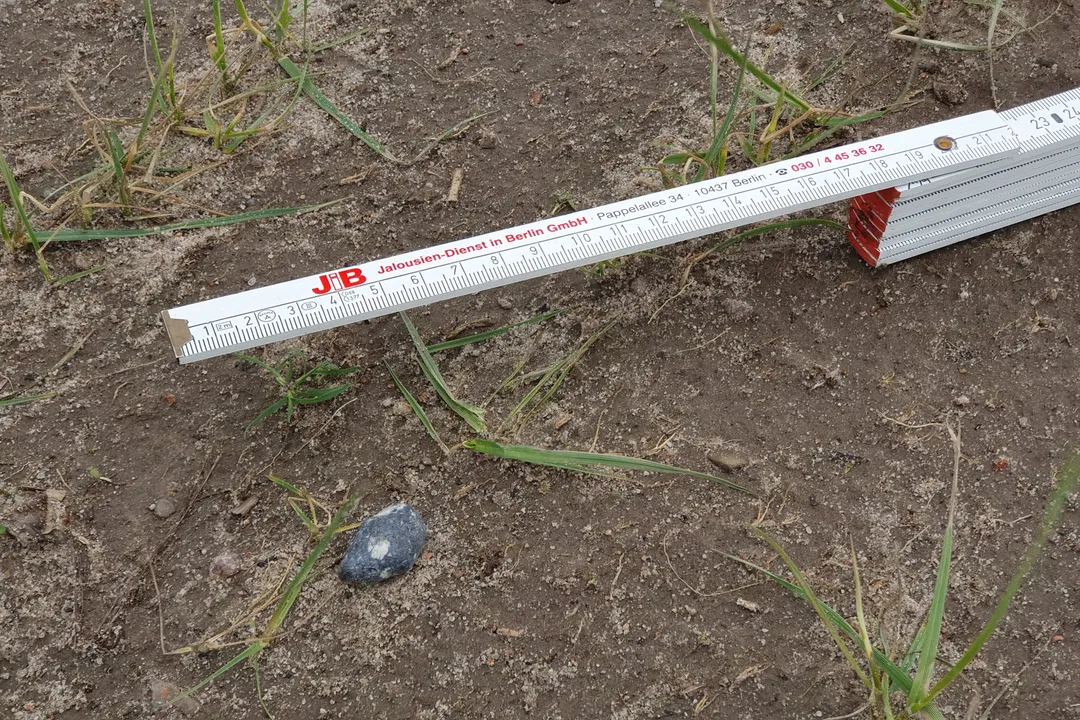
One subclass that has recently highlighted this extreme scarcity is the aubrite. Following the fireball event of asteroid 2024 BX1 over Berlin in January 2024, the recovered fragments were quickly classified as aubrites. These achondrites—a group that formed from parent bodies that underwent significant melting and thus lack the universal, round mineral inclusions called chondrules—are exceptionally uncommon. In the context of all known specimens, researchers noted that there is material from only 11 other observed aubrite falls in meteorite collections globally. This specific number provides a concrete measure of just how infrequently this particular rock type has made it to the ground since we began recording the event.
# Pristine Planetary Windows
Another category representing the pinnacle of rarity, particularly in terms of pristine condition, is the carbonaceous chondrite. The Winchcombe meteorite, recovered in the UK in 2021 after its spectacular fireball entry, belongs to this class. Carbonaceous chondrites are among the most primitive space rocks known, having formed very early in the solar system and remaining largely unchanged over billions of years. They offer an almost untouched look into our cosmic past, potentially revealing information about where water and the building blocks of life originated. Despite their immense scientific value, they are statistically small contributors to the total falls: only 51 out of approximately 1200 observed falls on Earth belong to this category. This scarcity is compounded by the fact that the Winchcombe specimen was retrieved within hours, escaping terrestrial weathering and contamination, making it comparable to a space mission sample return.
# Comparing True Extremes

The rarity spectrum continues when we examine meteorites originating from other celestial bodies. While not classified as a major type like stony or iron, Lunar meteorites (those originating from the Moon) and Martian meteorites (from Mars) represent some of the hardest-to-find specimens available. Statistics compiled from finds suggest that only about 9 in every 1,000 meteorites cataloged are from the Moon, and only 5 in every 1,000 are from Mars. The difficulty in identifying these achondrites is compounded by their terrestrial appearance; without specialized chemical or mineralogical testing, they are indistinguishable from common Earth rocks, unlike many iron meteorites which are magnetic and metallic.
To illustrate the different ways rarity can be measured, consider this comparison based on the available data:
| Meteorite Category | Rarity Metric | Context |
|---|---|---|
| Stony-Iron | Rarest Major Type | Rarest composition among the three main groups. |
| Aubrites | Rarest Observed Subclass | Material from only 11 other observed falls known globally. |
| Carbonaceous Chondrites | Low Frequency of Falls | Only 51 of ~1200 observed falls belong to this class. |
| Lunar/Martian | Rarest Source Body | Account for roughly 1.4% of all recognized meteorite finds. |
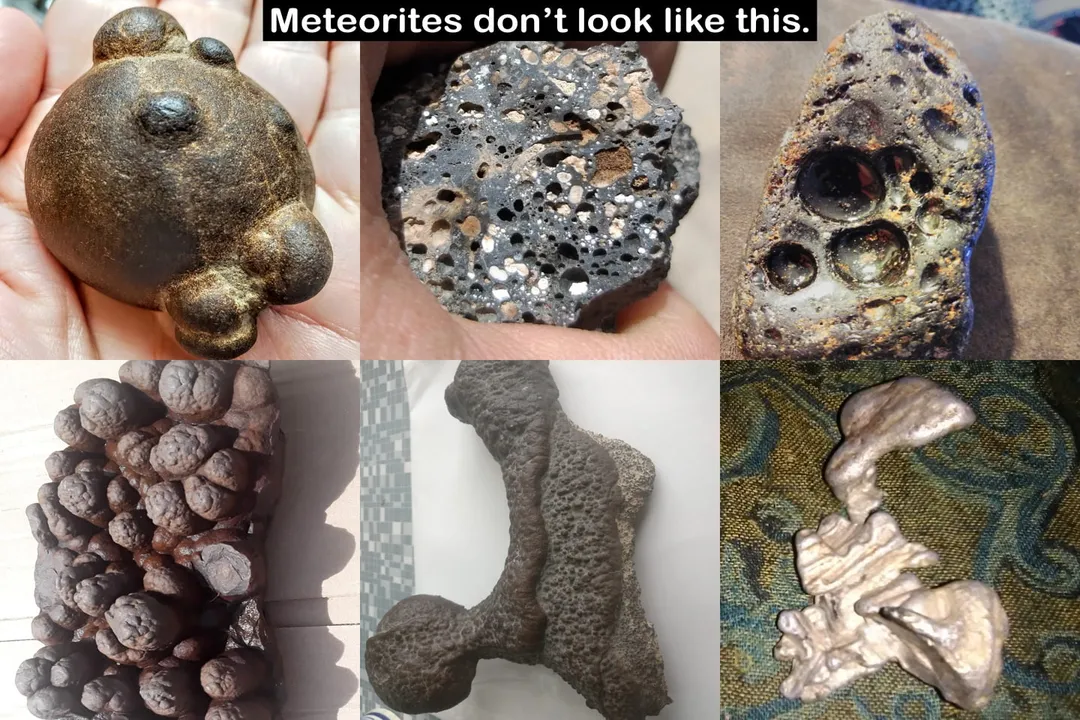
The sheer volume of terrestrial rocks incorrectly identified as meteorites, often called "meteorwrongs," illustrates the statistical improbability of a genuine, rare discovery. Experts receive countless photos of common rocks that mimic meteorite characteristics—perhaps they are heavy or dark—but lack the tell-tale signs of atmospheric transit, such as a fusion crust, which is the thin layer of glass formed by melting on the surface.
If you happen to find a rock that appears special, understanding the difference between a fall and a find is essential to appreciating its potential value. While finding a rock that looks like a meteorite is exciting, the fact that only a tiny fraction of the nearly 1862 meteorites found in North America between 1900 and 2024 were witnessed falls shows that the most scientifically significant events—the ones leading to the rarest classes like aubrites or carbonaceous chondrites—are those captured by camera networks first. For the amateur hunter, the rarest discovery is almost certainly one that is not a meteorite, but the pursuit itself connects you to the ongoing, low-frequency influx of material from the solar system's history.
Related Questions
#Citations
Asteroid 2024 BX1 left a rare type of meteorite | Astronomy.com
Some meteorite realities - St. Louis
Which is the rarest type of meteorite found on Earth? a. iron, b. stony-i..
Extremely rare fireball meteorite found: First of its kind ever ...