What type of star cluster is the oldest?
The cosmic census of stellar groupings reveals a profound difference in age between the two major categories of star clusters: the loosely bound, ephemeral Open Clusters and the tightly packed, ancient Globular Clusters. When seeking the absolute oldest inhabitants of our galaxy and beyond, the answer resides overwhelmingly with the latter. These dense, spherical collections of stars are veritable time capsules, having formed in the earliest, most chaotic epochs of galactic evolution, making them far older than the more familiar, younger star nurseries found sprinkled throughout the Milky Way's spiral arms. [2][5]
# Cluster Types
To understand which cluster type claims the title of oldest, we must first differentiate the players on this celestial stage. Star clusters are not all created equal; they differ dramatically in size, shape, composition, and most importantly, age. [7]
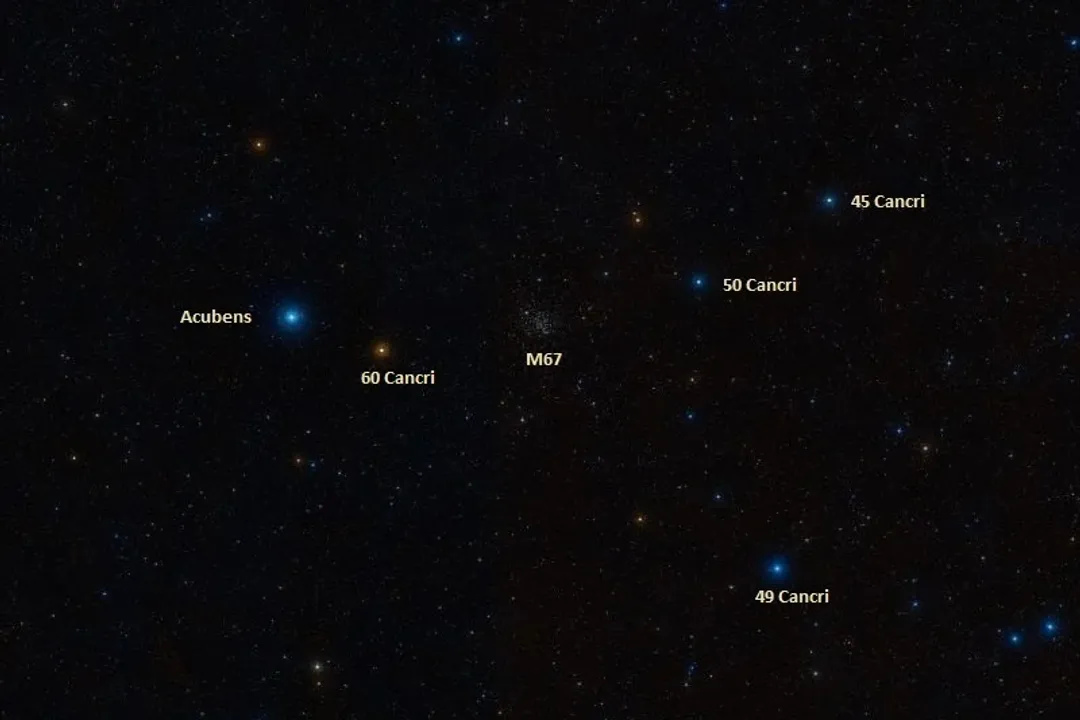
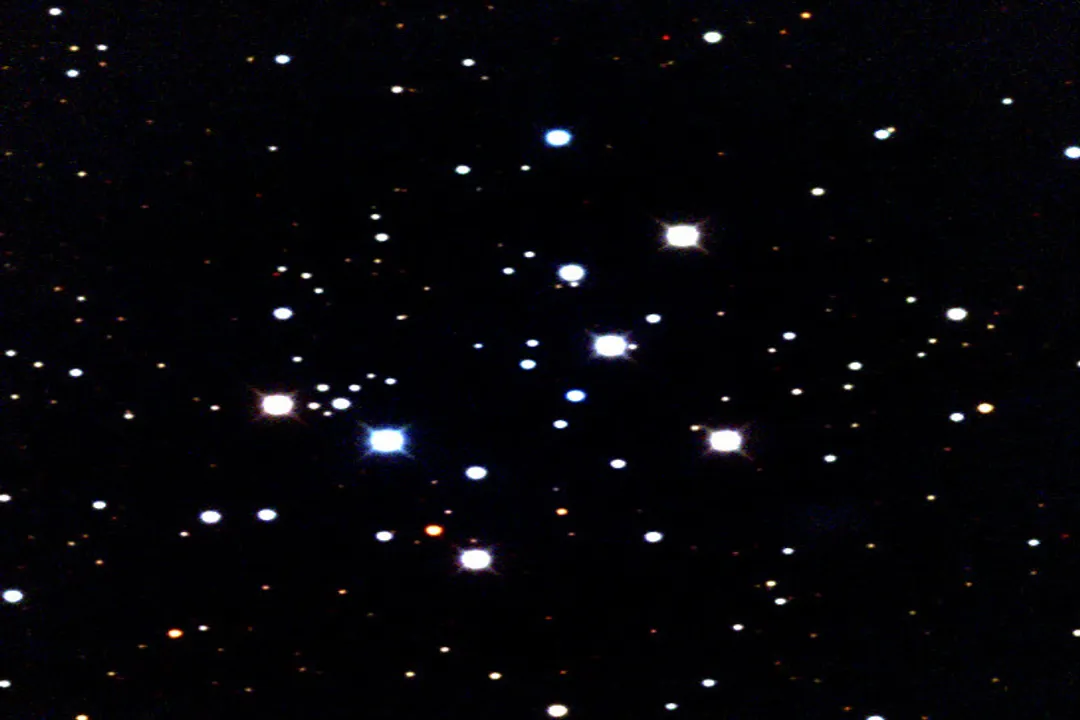
Open clusters are relatively small, containing anywhere from a few dozen to a few thousand stars, and they are generally found within the disk of a spiral galaxy, where star formation is still actively occurring. [7] They typically form from the same large molecular cloud and are loosely held together by gravity, meaning they disperse over time as tidal forces from the galaxy tug them apart. [2][5] Their ages are usually quite young in astronomical terms, often measured in the tens of millions or a few hundred million years. [5] A well-studied example, Messier 67 (M67), is considered an older open cluster, clocking in at around 3.5 to 5 billion years old, which is quite ancient for its class but still a baby compared to its spherical cousins. [2]
In stark contrast are the Globular Clusters (GCs). [7] These are massive, ancient systems, often containing hundreds of thousands to several million stars crammed into a volume just a few tens of light-years across. [7] Unlike open clusters, GCs are typically found orbiting in the halo of a galaxy, far outside the main plane of the galactic disk. [5] Their immense stellar density and age mean their gravitational binding is exceptionally strong, allowing them to survive for nearly the entire age of the universe. [7]
# Globular Longevity
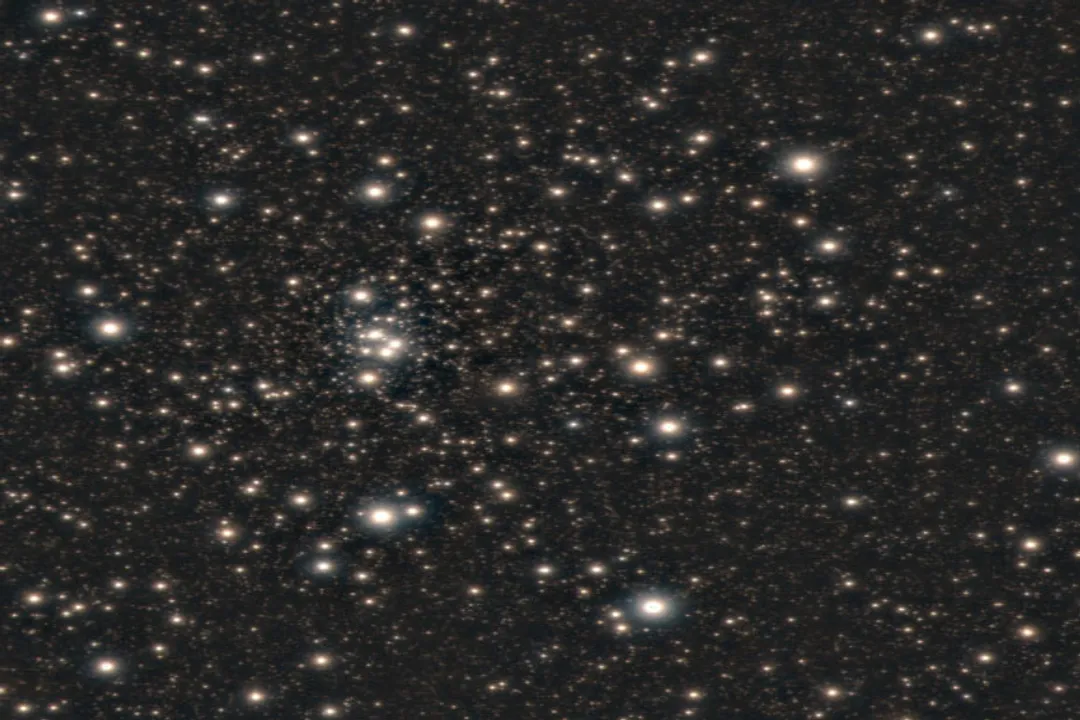
The defining characteristic of globular clusters is their antiquity. Astronomers estimate that most of the Milky Way's GCs formed within the first billion years after the Big Bang, placing their ages around 12 to 13 billion years. [5] They are essentially fossils, representing the initial stellar populations that assembled when the galaxy itself was just beginning to take shape. [3][5]
The very stars within these ancient structures provide the evidence. Stars that formed early in the universe are metal-poor, meaning they contain very few elements heavier than helium and hydrogen—the heavier elements (which astronomers call "metals") are created later in the life cycles and deaths of earlier, more massive stars. [3] Because GCs formed before many generations of supernovae had enriched the interstellar medium, the stars within them reflect this primordial composition, marking them as truly ancient. [3]
For instance, the cluster HP 1, located in the constellation Musca, has been identified as one of the oldest known globular clusters in the Milky Way, with an estimated age exceeding 12.5 billion years. [8] Observing such structures gives researchers a direct look at the conditions that prevailed when our galaxy was just aggregating its foundational building blocks. [3]
# Primordial Discoveries
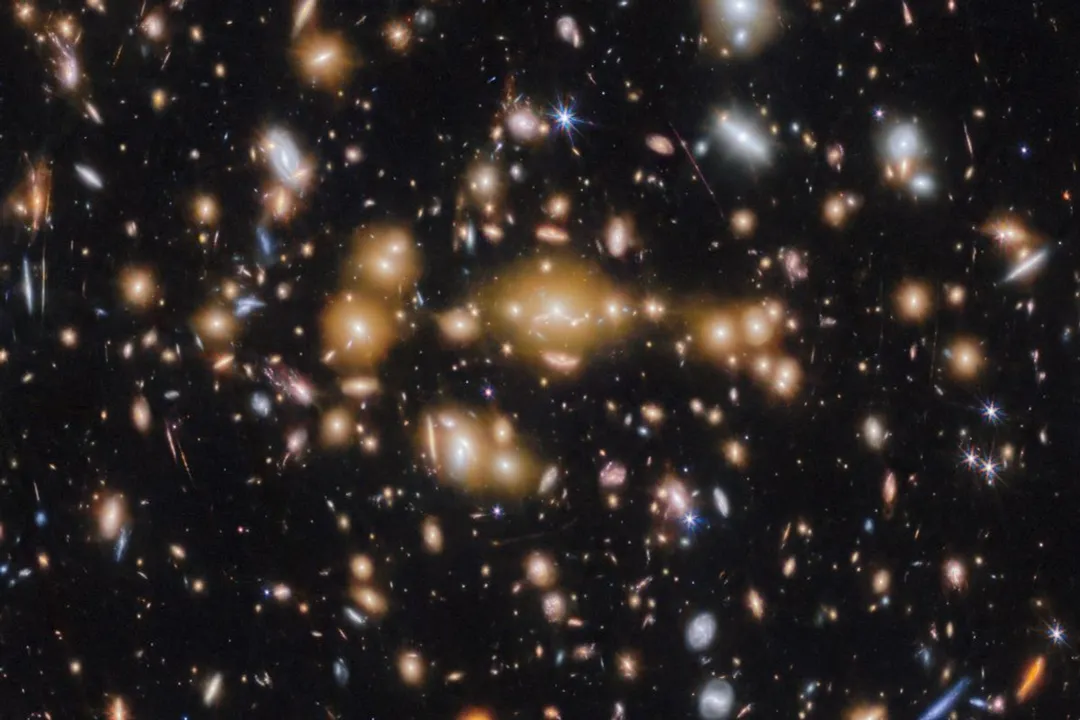
While GCs within the Milky Way represent the oldest local populations, cutting-edge instruments are pushing the boundaries, revealing clusters even closer to the universe's dawn. The James Webb Space Telescope (JWST) has been instrumental in this quest, detecting extremely distant and ancient clusters in the early universe. [1]
JWST has identified collections of stars that formed when the universe was only about 460 million years old. [1] These clusters are considered "fossil" structures from the era when the very first galaxies were starting to assemble. [1] This pushes the concept of an "oldest cluster" from the scale of the Milky Way's history (13 billion years) back to the very first few hundred million years after the Big Bang. [1] While these extragalactic, primordial clusters are distinct from the GCs we see orbiting us today, they confirm that the phenomenon of dense cluster formation began astonishingly early. [1] In essence, the oldest type that we can study extensively in our local neighborhood are GCs, but the oldest clusters ever observed reside in the deep past. [1][3]
# Age and Structure Contrast
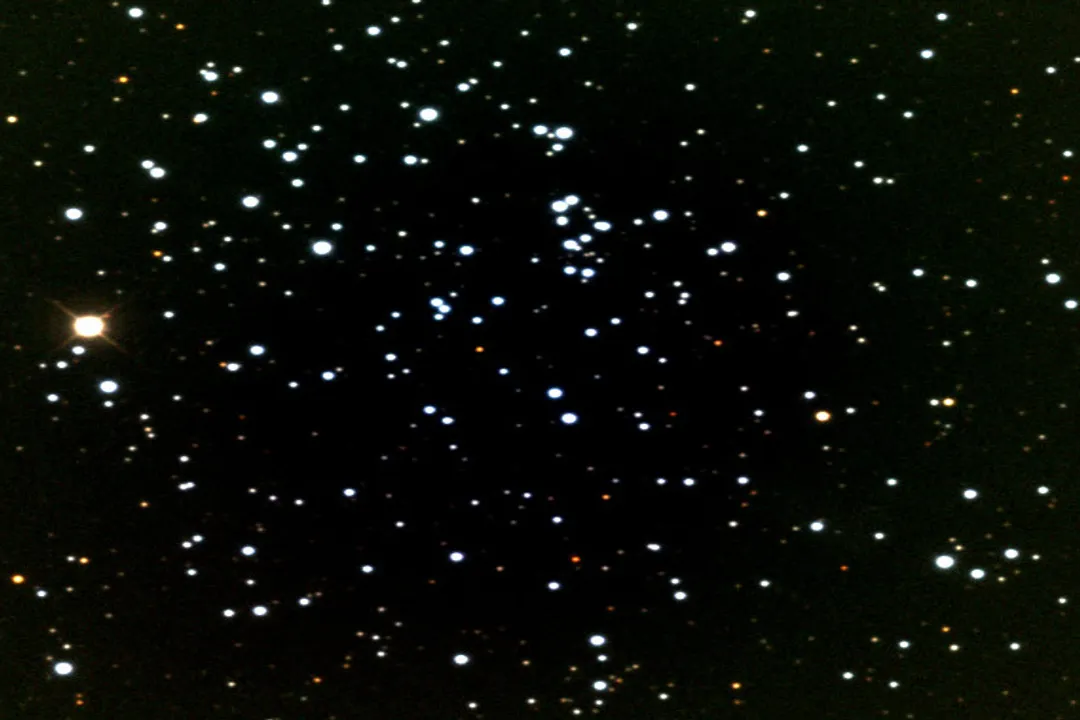
The physical differences between GCs and OCs are inseparable from their age differences, providing a useful diagnostic tool for astronomers.
| Feature | Open Cluster (OC) | Globular Cluster (GC) | Implication for Age |
|---|---|---|---|
| Typical Age | Tens of millions to a few billion years [5] | 10 to 13+ billion years [5][8] | GCs are significantly older [5] |
| Stellar Density | Low; stars are widely spaced [7] | Extremely High; millions of stars packed tightly [7] | High density preserves structure over cosmic time |
| Location | Galactic Disk (where gas is abundant) [7] | Galactic Halo (outskirts, less gas) [5] | Halo formed before the disk settled |
| Metallicity | Generally higher (more "metals") | Generally very low (few heavy elements) [3] | Low metallicity indicates formation before extensive element creation |
Consider the perspective of stellar dynamics. A cluster like Messier 67, despite being old for an OC, has already begun to show signs of external dissolution, slowly losing stars to the Milky Way's gravitational field. [2] Globular clusters, having survived this tidal stripping for eons, possess a nearly spherical, highly symmetrical structure maintained by their massive self-gravity. [7] This structural resilience is a direct consequence of their immense age and density, indicating they had to form when the raw material of the galaxy was clumpier and denser than the gas clouds today. [3]

# Early Formation Context
The age disparity points to a fundamental difference in how and when these two structures formed. Open clusters are born from the ongoing, relatively gentle process of spiral arm star formation, where large, diffuse gas clouds collapse. [2][5]
Globular clusters, however, are thought to have formed during a period of intense gravitational collapse and violent gas shockwaves in the nascent universe, perhaps even before the host galaxy had fully settled into its current spiral shape. [3] This environment favored the rapid, massive collapse necessary to form such dense, long-lived objects. [3] In fact, some theories suggest GCs may have formed before their host galaxies, being accreted later as the galaxy built up mass through mergers. [5]
Thinking about the initial conditions necessary for a GC, the sheer mass required to overcome later disruption suggests that the precursor gas clouds were far more massive and rapidly condensing than the clouds that form OCs today. If we look at the chemical signatures, the low metallicity of GCs isn't just a marker of age; it’s an indicator of formation time relative to the cosmic history of nucleosynthesis. A cluster with iron content below about (one-thousandth the sun's abundance) is almost guaranteed to be a GC and thus, billions of years older than a disk cluster with solar-like metallicities. [3] This provides an intrinsic chemical clock that supports the dynamical evidence.
# JWST and The Oldest Clumps
The discoveries made by JWST, observing galaxies in the early universe, provide the most extreme examples of old clusters, setting the true lower limit on when cluster formation began. [1] These ancient structures are being observed in high-redshift galaxies, meaning we see them as they were when the universe was only a fraction of its current age. [1] The ability of JWST to pierce through dust and observe these faint, distant objects has effectively extended our understanding of cluster formation back to the "Cosmic Dawn". [1]
For example, if a cluster is confirmed to have formed at (redshift of 10), it is forming when the universe is roughly 500 million years old. [1] This is fundamentally different from a Milky Way GC that formed when the universe was 1 to 2 billion years old. The JWST finds are the oldest stellar populations we can currently detect, pushing the type definition slightly, as these primordial clumps may not perfectly match the morphology of our familiar GCs, though they share the characteristic of being dense and old. [1] They represent the direct ancestors, perhaps, of the GCs we see today, having survived various mergers and interactions over billions of years.
# Deciphering Age from Observation
For an amateur or professional observer, distinguishing an ancient cluster often comes down to visual clues correlated with the established types. While parallax measurements and spectroscopy are required for definitive dating, one can make educated guesses based on appearance and location.
If you locate a cluster that appears densely packed, nearly circular, and is situated far from the Milky Way's main band of light—perhaps high above or below the galactic plane—it is overwhelmingly likely to be a Globular Cluster and therefore billions of years old. [5][7] Conversely, a sprawling, irregularly shaped group of bright, young-looking blue stars situated right along the plane of the Milky Way is almost certainly an Open Cluster, likely less than a billion years old. [7]
An interesting point arises when considering the "missing link"—intermediate-age clusters. The oldest Open Cluster, M67 at about 5 billion years, sits in an interesting statistical gap. [2] It has survived far longer than most OCs, which usually disperse within a few hundred million years. This survival implies it formed in a region of the disk that was less gravitationally disturbed, or it has had an unusual orbit that kept it stable, serving as a rare bridge between the vibrant nurseries and the ancient halo dwellers. [2]
As an editorial observation, the very existence of GCs sets a crucial benchmark for cosmological models. The fact that large, gravitationally bound structures of metal-poor stars could form so quickly after the Big Bang places strong constraints on the initial density fluctuations of the early universe. The observed ages are not just interesting numbers; they directly test our theories of structure formation and chemical evolution on the grandest scales.
# Fossil Record
The oldest star clusters, primarily the globular ones, serve as the galaxy’s most reliable fossil record. [3] They are the direct descendants of the material that formed the first major structures in the galaxy, pre-dating the formation of our Sun by many billions of years. [5][3] When Hubble observed globular clusters like M13, it was looking at structures that had already been stable for half the current age of the universe. [4] The study of their individual stars allows astronomers to reconstruct the initial chemical makeup of the gas cloud from which the entire Milky Way system originated. [3]
Therefore, the question of the oldest star cluster type finds a clear answer: it is the Globular Cluster. [5] They formed early, they are chemically primitive, and their sheer numbers and ancient ages dwarf those of their open cluster counterparts. [7] While JWST pushes the detection limits further back into the universe's first billion years, the enduring, observable population of ancient GCs within and around our own galaxy remain the definitive example of cosmic antiquity in cluster form. [1][8] They are the living artifacts of galactic infancy.
Related Questions
#Citations
List of oldest stars - Wikipedia
Messier 67 - the King Cobra Open Star Cluster - Universe Today
Astronomers Have Found One of The Universe's Oldest Star ...
Hubble views an old and mysterious cluster
Our Galaxy's oldest open clusters | Astronomy.com
Question about globular clusters having some of the oldest stars in ...
Star clusters | Astro Imaging - WSU Labs
HP 1: One of Milky Way's Oldest Star Clusters Discovered | Sci.News
Oldest Ever Star Clusters From When Universe Was 460 Million ...