What type of galaxies have mostly younger stars?
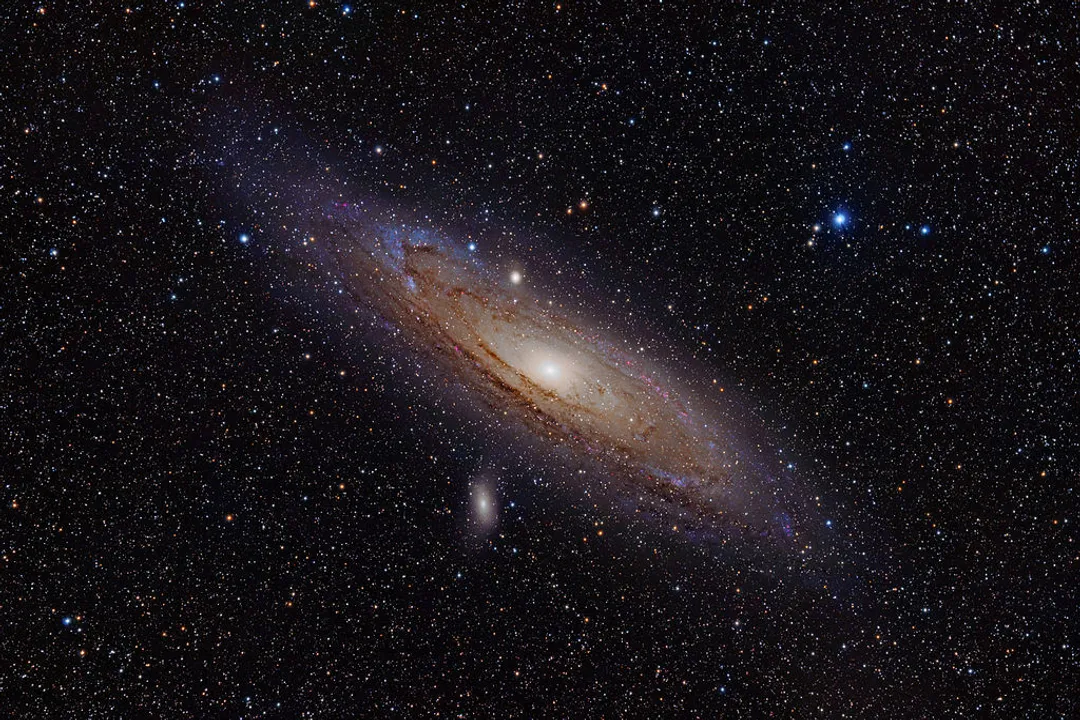
The cosmic census reveals a vast collection of stellar islands, each categorized primarily by its shape, a morphology that often dictates its history of star formation and the current age profile of its stellar residents. When astronomers look for galaxies teeming with the newest generations of stars—those brilliant, hot, blue giants—they are looking for environments rich in the necessary raw materials: cold gas and dust clouds. The distribution of these ingredients is unevenly spread across the primary galactic classes: spiral, elliptical, and irregular galaxies.
# Galactic Classification

Galaxies are broadly sorted into three main types based on their visual appearance, though a continuous spectrum exists between these categories. Spiral galaxies possess a flattened, rotating disk with prominent spiral arms, often containing a central bulge. Elliptical galaxies tend to be more spherical or oval-shaped, ranging from nearly perfectly round to highly elongated. Finally, Irregular galaxies lack a distinct, regular shape, often appearing chaotic or disturbed. Each shape tells a story about the galaxy's past interactions and its present rate of stellar birth.
# Spiral Dynamics
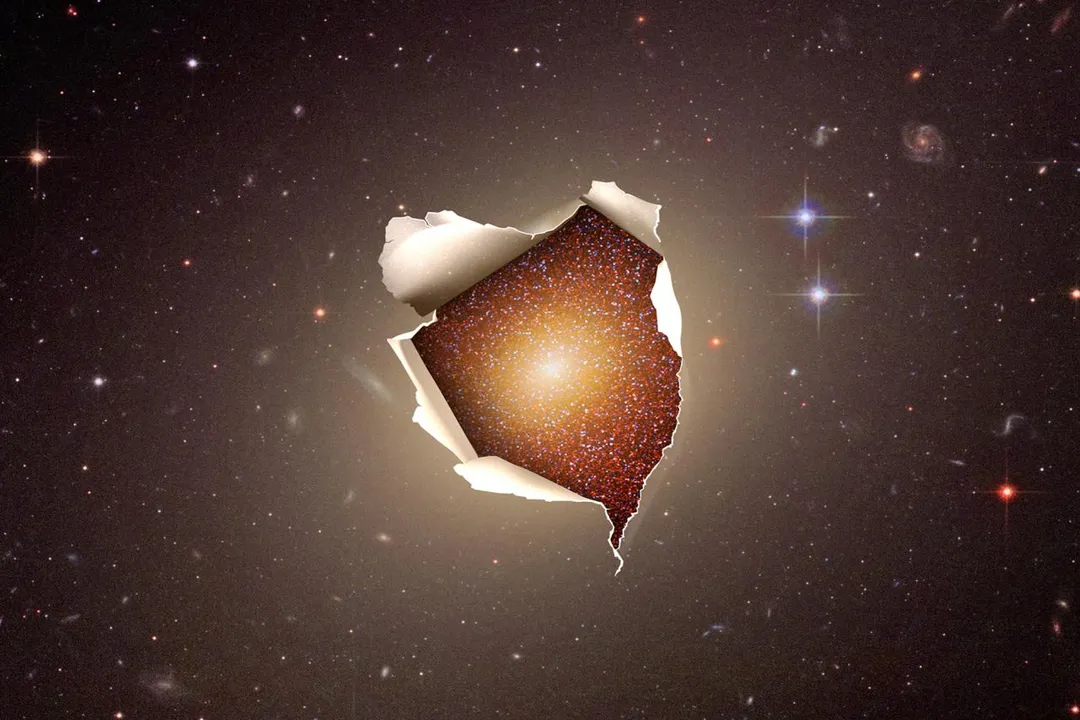
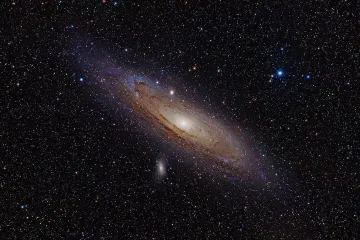
Spiral galaxies are perhaps the most recognizable type, famously including our own Milky Way. These systems are characterized by ongoing star formation concentrated within their distinctive spiral arms. These arms are not just static features; they are density waves that compress the interstellar medium—the gas and dust found in the disk—triggering gravitational collapse and the birth of new stars. Because massive, hot, young stars burn through their fuel quickly and shine intensely blue, the spiral arms appear bluer overall than the central bulge or halo, which are dominated by older, redder stars.
A comparison between the typical stellar populations across different types helps illustrate this difference. In a spiral galaxy, the disk is where the action is, constantly replenishing its stellar population. This ongoing process means that a significant fraction of its total stellar mass is relatively young, often only a few hundred million years old, mixed in with the older stars that formed earlier in the galaxy's history.
# Elliptical Stasis
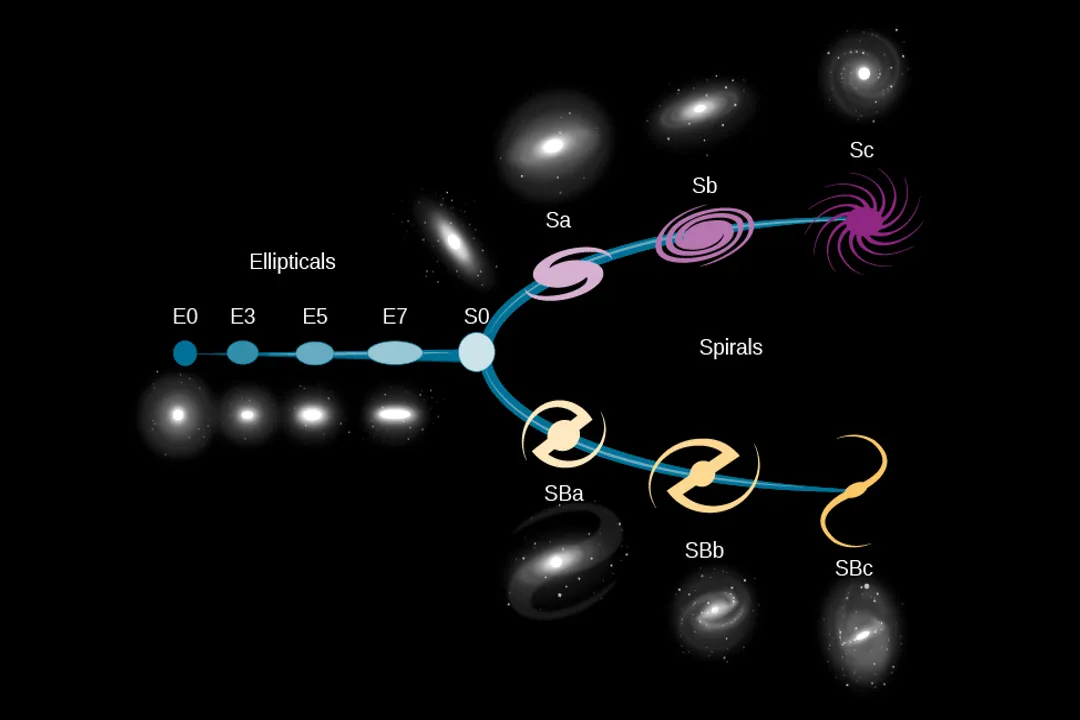
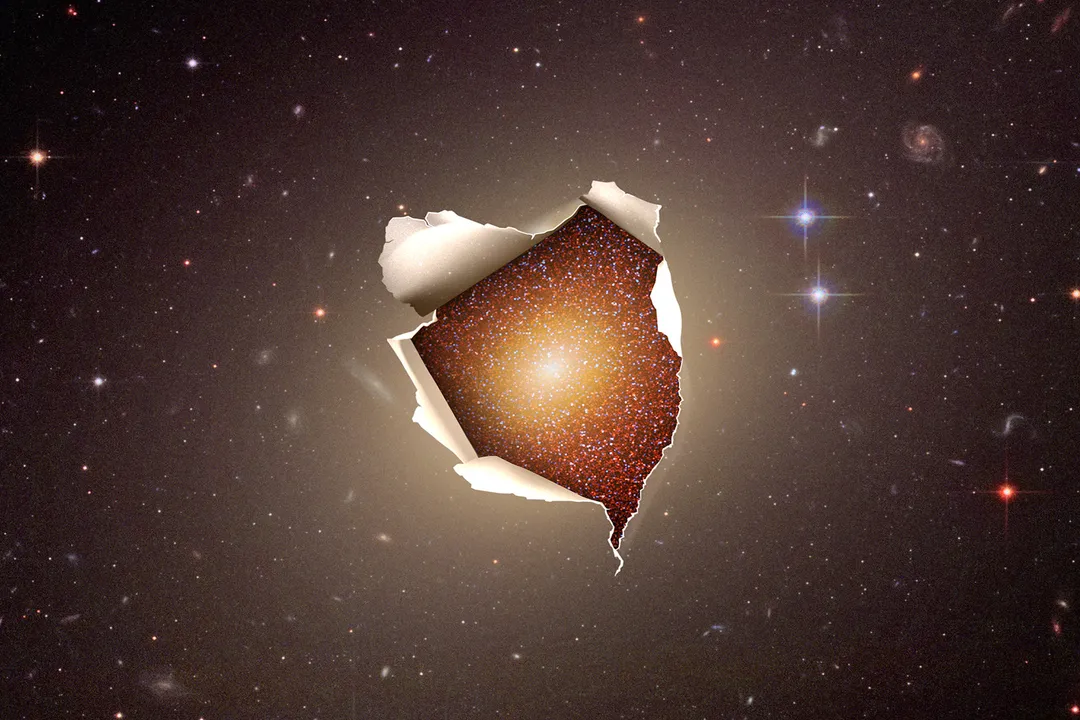
In stark contrast to the dynamic spirals are the elliptical galaxies. These systems are generally characterized by very little or no cold gas and dust, the essential fuel for creating new stars. Consequently, elliptical galaxies have largely ceased the process of vigorous star formation. Their stellar populations are predominantly old, meaning the light they emit comes mostly from long-lived, cooler, redder stars.
The history of an elliptical galaxy often involves significant mergers with other galaxies. These violent events can strip the galaxy of its gas reserves or trigger intense bursts of star formation that rapidly consume all available fuel, leading to the "red and dead" state observed today. Some sources categorize ellipticals as having "little or no current star formation". While a few very small ellipticals might retain some minor pockets of ongoing birth, the overwhelming majority of their star count is ancient, dating back billions of years. For example, observations have shown that many massive elliptical galaxies, especially those in the centers of dense galaxy clusters, formed the bulk of their stars very early in the universe's history.
Here is a simplified breakdown of the expected star age distribution based on morphology:
| Galaxy Type | Primary Star Formation Rate | Dominant Stellar Age | Gas/Dust Content |
|---|---|---|---|
| Spiral | Active/Ongoing | Mixed (Young in arms, Old in bulge) | High in disk |
| Elliptical | Very Low or None | Predominantly Old | Low |
| Irregular | Variable, often high | Predominantly Young/Bursting | Often High |
# Irregular Chaos
Irregular galaxies represent the third major category, lacking the defined structures of spirals or ellipticals. Their star-forming status is often tied to recent interactions or internal turbulence. Many irregular galaxies are smaller systems, sometimes called dwarf irregulars, which are intrinsically rich in gas and have not yet settled into a stable structure. Because they are often dynamically "messy," these gravitational interactions can compress gas clouds efficiently, leading to vigorous, though sometimes short-lived, episodes of massive star formation. Therefore, irregular galaxies often possess a relatively high proportion of young, massive, blue stars compared to their older stellar populations, similar to the activity seen in spiral arms, but perhaps more uniformly spread or chaotic in distribution.
# Exceptions and Discovery
While the general rule holds—spirals and irregulars are the nurseries, and ellipticals are the museums—astronomy is replete with exceptions that test our models. Recent findings have complicated the narrative that all massive galaxies are ancient. Specifically, evidence has emerged pointing to the existence of young stars in some of the oldest and most massive galaxies. This suggests that even galaxies that are structurally categorized as massive ellipticals, or those that evolved rapidly, might have experienced late-stage star formation bursts long after their initial major assembly phase.
It is fascinating to consider that a galaxy classified as an elliptical based on its smooth shape might still host a population of surprisingly young stars, perhaps acquired through a recent, smaller satellite merger that dumped fresh gas into its outskirts, fueling a brief stellar revival. This challenges the simple binary of "old elliptical" versus "young spiral." It suggests that environmental factors and recent merger history are just as critical as the current visual structure in determining the age demographic of a galaxy's stars. For a general observer, this means that if you see a galaxy that looks old and smooth, it is highly likely to be old, but not guaranteed to be entirely barren of new light.
To put this into a practical context for amateur observation, if you are using a small telescope and observing a galaxy that appears elongated and fuzzy, you are likely looking at an elliptical, which will predominantly show the collective light of old, cooler stars. Conversely, if you can resolve any hint of structure—even a slight elongation with brighter knots along the axis—you are probably looking at a spiral, where those brighter knots are the telltale signs of active, young clusters.
Furthermore, the very definition of "young" is relative. A star that is a few billion years old is young in the context of an elliptical galaxy that stopped forming stars 10 billion years ago, but it is ancient compared to the stars forming right now in the Orion Nebula within the Milky Way. Therefore, the proportion of young stars relative to the total stellar population is the critical metric distinguishing these types. Spiral and irregular galaxies win this comparison overwhelmingly because they retain the necessary fuel supply for sustained, multi-billion-year births.
# Fuel Supply and Future Prospects
The key differentiator that drives which galaxies host younger stars is the reservoir of cold molecular hydrogen gas. Spiral galaxies maintain this supply through accretion from the intergalactic medium and recycling old stellar material. Irregular galaxies, often less massive and less centrally concentrated, can retain their gas longer or have it mixed more easily into the disk plane, promoting sustained, albeit perhaps sporadic, star formation.
An interesting analytical point arises when considering the total mass. Very massive galaxies, regardless of their initial type, tend to exhaust their star-forming gas supply faster due to the sheer gravitational pressure and feedback mechanisms (like supernovae driving gas out) associated with their large size. This means that while a dwarf spiral can remain active for much longer than a giant spiral, the most massive galaxies across all types tend to become quiescent (stop forming stars) relatively early in cosmic history. This mass-driven exhaustion explains why the biggest galaxies are often the oldest, even if they started as chaotic, gas-rich irregulars that quickly merged into a large, stable elliptical.
In essence, the galaxies that host the most significant populations of the newest stars are those that have either maintained an orderly, rotating disk structure capable of gentle, continuous star birth, like spiral galaxies, or those that are currently undergoing chaotic, intense periods of collapse and star birth, like many irregular galaxies. Ellipticals, by contrast, represent the endpoint of star formation for most massive galaxies.
Related Questions
#Citations
Galaxy Types - NASA Science
Elliptical galaxy - Wikipedia
Elliptical Galaxy | ESA/Hubble
Young stars found in the oldest and most massive galaxies in the ...
Which types of galaxies appear to have many young stars - Quizlet
Galaxies are classified into three main types based on their shape ...
Types of Galaxies | Physical Geography - Lumen Learning
Star Formation in Irregular Galaxies
20.3: Types of Galaxies - Physics LibreTexts