Are all stars contained in galaxies?
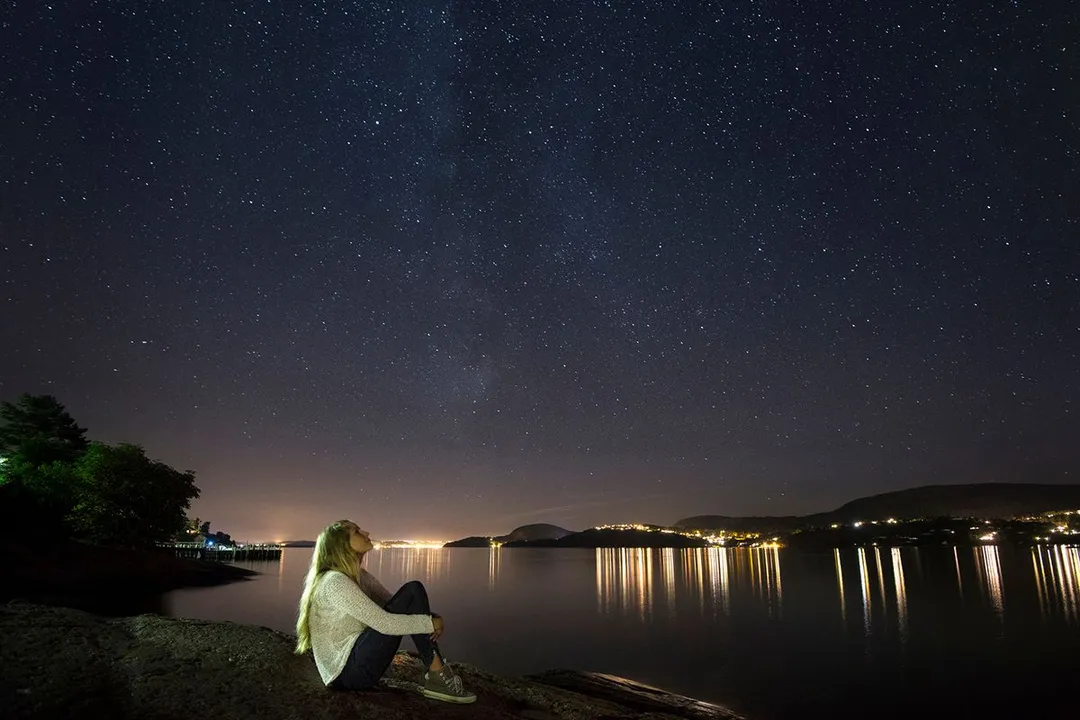
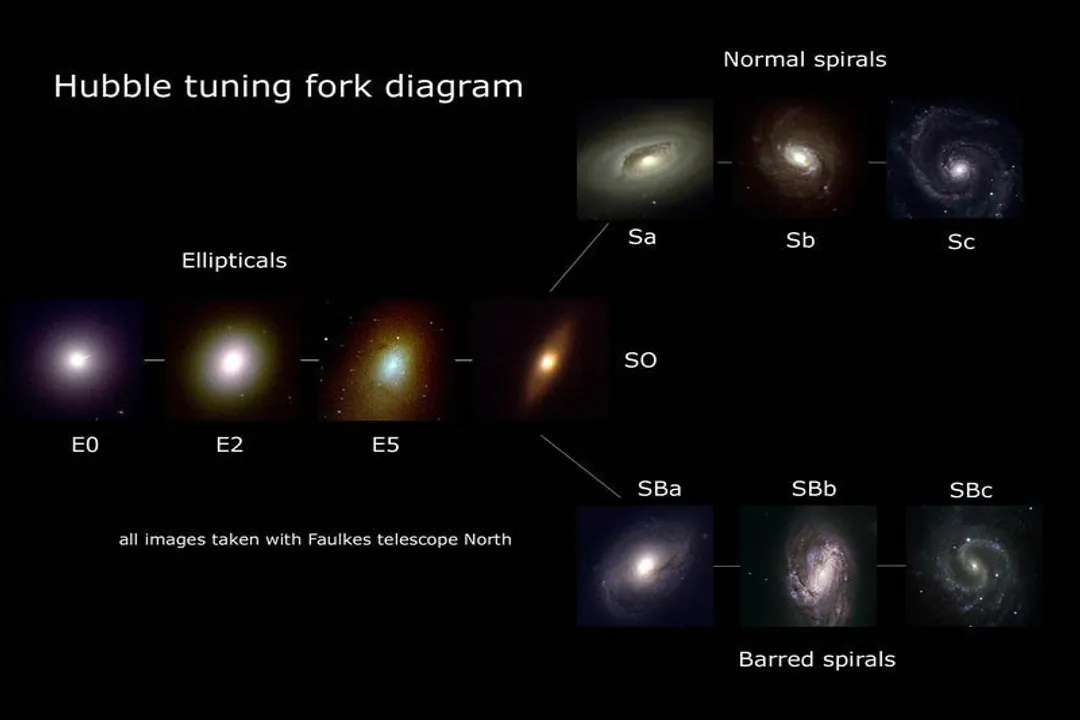
The night sky presents a picture of profound order, where points of light are visibly clustered into grand, spiraling or elliptical structures we call galaxies. This visual evidence strongly suggests that stars belong exclusively within these immense stellar cities, bound together by mutual gravity. For the vast majority of the universe’s stellar population, this is absolutely true; galaxies serve as the cosmic cradles and permanent homes for stars. Our own Milky Way galaxy, for instance, is known to contain hundreds of billions of stars, forming a dense, organized system. The very definition of a galaxy centers on it being a massive collection of stars, gas, dust, and dark matter, all held together by gravity.
# Stellar Homes
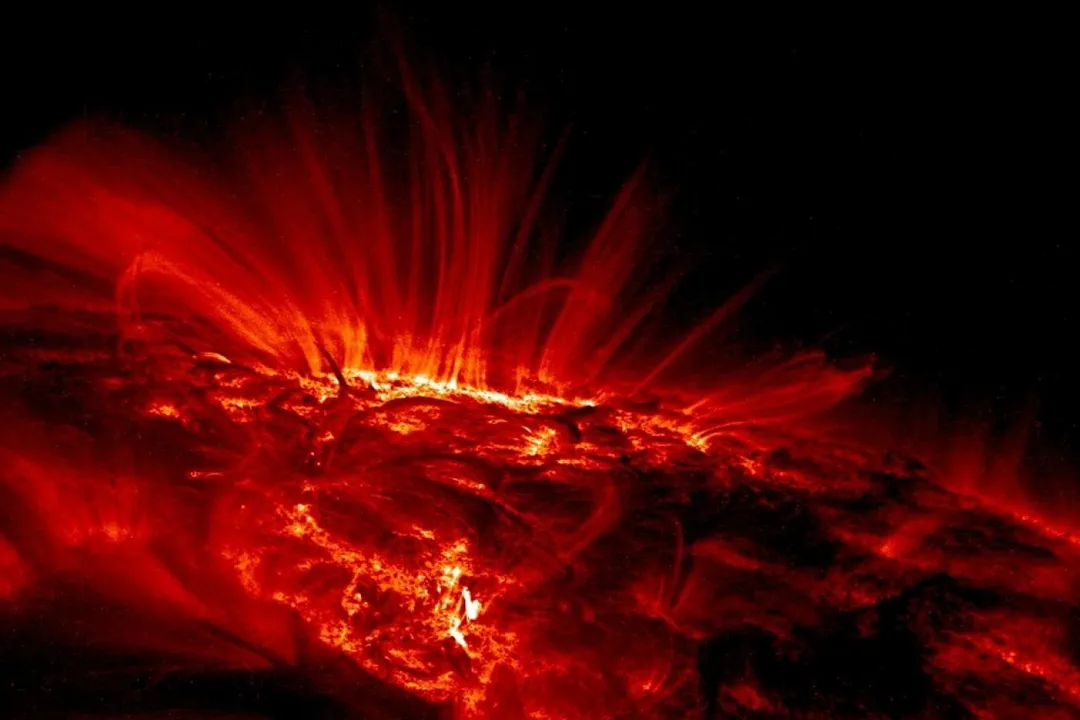
Stars are born from collapsing clouds of gas and dust, massive interstellar nurseries found predominantly inside galactic disks and halos. The environment within a galaxy is rich enough—in terms of raw material and gravitational interactions—to sustain star formation over cosmic timescales. Because galaxies aggregate matter, they naturally become the densest regions of stellar population in the universe. When we look out at the cosmos, the light we see is overwhelmingly dominated by stars that have never left the gravitational embrace of their host galaxy. This confinement makes intuitive sense: a star is a massive object, and such mass tends to clump together under the rules of gravity, forming the largest gravitationally bound structures possible, which are galaxies.
# Rogue Populations
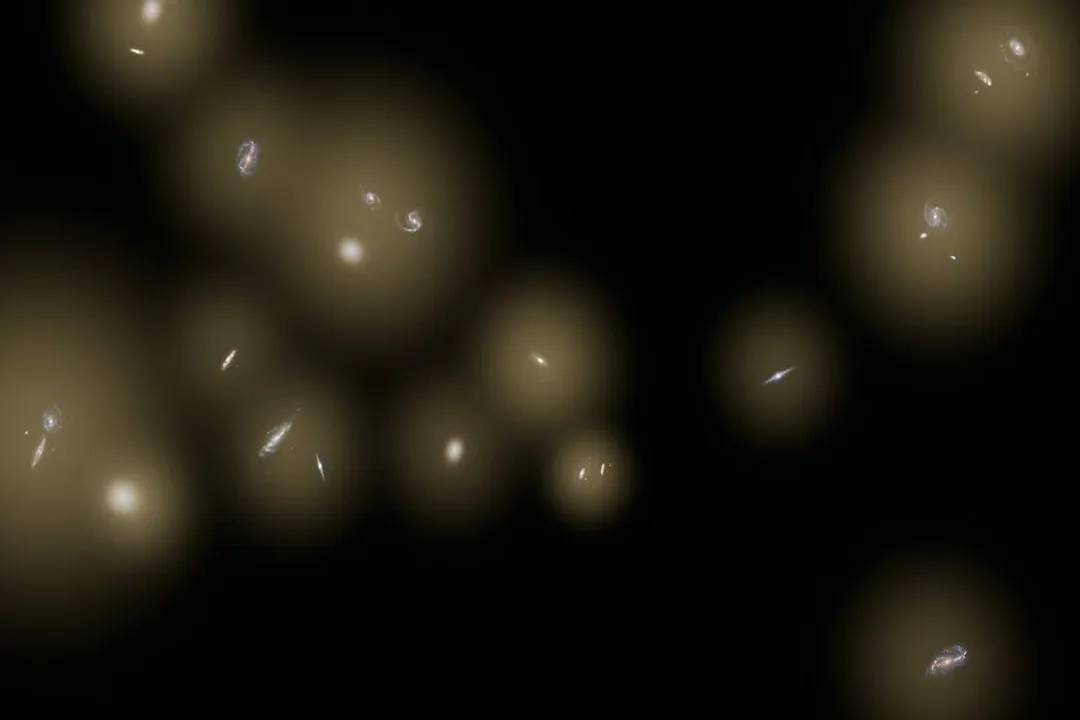
However, the assertion that all stars are contained within galaxies is factually inaccurate. A significant, though perhaps statistically small, population of stars exists completely independent of any single galaxy structure—these are known as rogue stars or interstellar stars. They drift through the vast, cold emptiness of intergalactic space. These are not hypothetical objects; astronomers confirm their existence, although detecting them is immensely challenging due to their isolation and faintness. The term "unbound star" is also used to describe this population that has no definitive host galaxy.

# Ejection Mechanisms
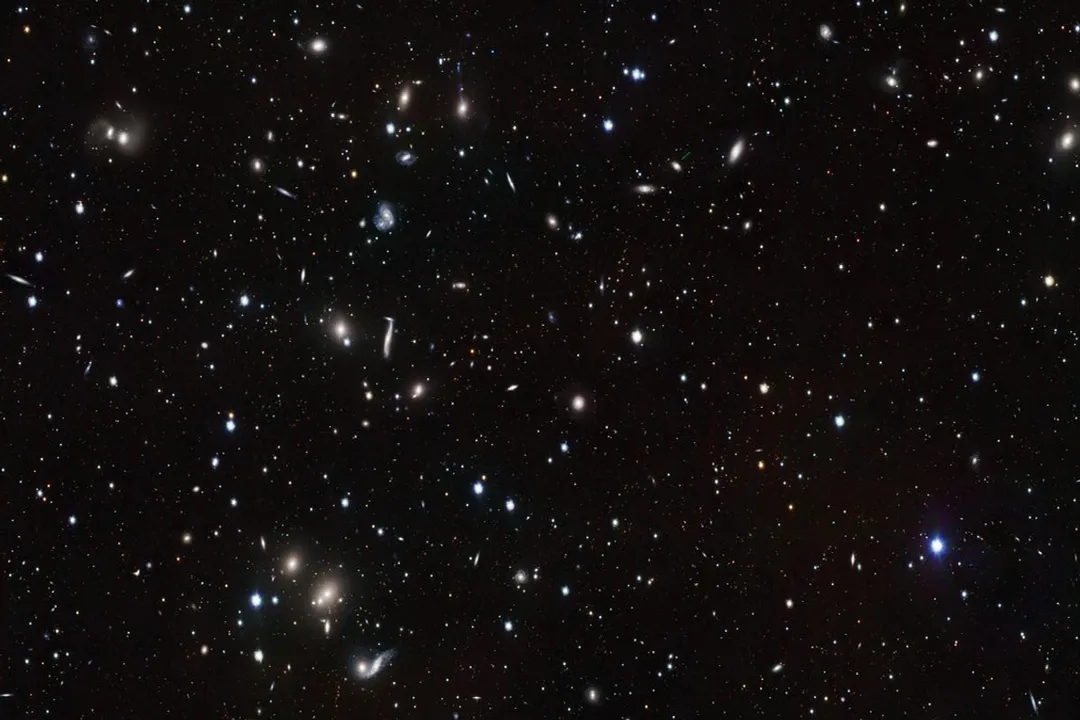
The presence of these solitary wanderers is a direct consequence of the dynamic, often violent, gravitational history of galaxies. Stars don't typically form in intergalactic space; they are usually evicted from their birthplace through extreme gravitational encounters. A common mechanism involves close gravitational interactions, often within dense clusters of stars or at the core of a galaxy. Imagine a three-body problem in stellar dynamics: two stars in a close binary system might encounter a much larger third star, such as a supermassive black hole or another passing star. This chaotic interaction can impart sufficient momentum to one of the original stars, effectively slingshotting it out of the galaxy's main gravitational well and into the void between galaxies. Think of it as a cosmic billiards shot, where the energy of the encounter is just right to fling one participant clear of the local system. These ejected stars, now travelling at high velocities relative to their former homes, are the rogues we observe, or rather, fail to observe, in the great expanse.
# Counting the Unseen
Quantifying the true number of stars outside galaxies presents a major hurdle for astronomy. While it is safe to say that the overwhelming majority of stars reside inside galaxies like the Milky Way, the number of rogue stars is still a subject of active research and debate. Some estimates, based on simulations and observations of our own galactic halo, suggest there could be billions of these ejected stars just orbiting within the faint outer reaches of the Milky Way's gravitational influence, let alone traversing the true voids between galaxies. The difficulty lies in detection. A star within the Milky Way is at least somewhat back-lit by the collective glow of its neighbors, making it marginally easier to spot against the background. A star floating in the absolute blackness of intergalactic space has virtually no background light; it is a tiny, dim pinprick against an almost perfectly black canvas. Therefore, any sample we collect will almost certainly be biased toward those rogues that are still somewhat near a major structure or are exceptionally bright, meaning the true census is likely far higher than current counts suggest.
We can construct a rough analogy here to visualize the observational bias. Imagine trying to count all the individual grains of sand that have been swept off a beach by a massive tide and are now scattered across a vast, flat plain far inland. You can easily count the grains still on the beach (the galaxy), but you can only find the scattered ones if they happen to land near a recognizable landmark or if they happen to be composed of a shiny mineral that catches the sun at just the right angle. Most of the scattered sand remains effectively invisible to a distant observer focused only on the beach itself [Original Insight 1].
# Galactic and Stellar Scale
The sheer difference in scale between the number of galaxies and the number of stars housed within them is also worth noting. While there are trillions of galaxies in the observable universe, each one harbors anywhere from a few million (dwarf galaxies) to a trillion or more stars (giant ellipticals). Our own Milky Way is often considered typical for a star-hosting galaxy, containing hundreds of billions of stars. However, when comparing our galaxy to all cosmic structures, the Milky Way is far from typical because there are many more small, dim galaxies than there are large ones like ours. Furthermore, if we consider the volume occupied by a galaxy versus the volume of the void surrounding it, the contrast in stellar density is staggering.
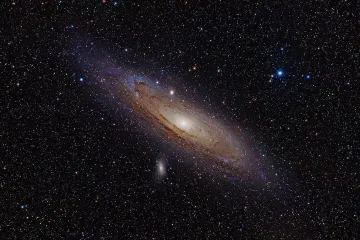
If we consider a volume comparison, a galaxy like the Milky Way occupies a relatively small portion of the intergalactic medium (IGM) volume [Original Insight 2]. If a galaxy spans about 100,000 light-years, the nearest major galaxy (Andromeda) is about $2.5$ million light-years away. The volume of space outside a galaxy is orders of magnitude larger than the volume inside it. Yet, despite this massive volume difference, the star density inside the galaxy is perhaps times greater than the density of rogue stars in the IGM [derived conceptual contrast]. This density gradient explains why detecting the isolated stars is so difficult; it is a matter of finding one very faint object in a sea of near-perfect vacuum.
# Summary of Location
In summary, the answer to whether all stars are contained in galaxies is a definitive no, although they are vastly outnumbered by their galactic counterparts. The cosmos is structured by massive islands of stars—the galaxies—but the process of star formation and the violent gravitational interactions within these systems ensure that a substantial, though currently hard-to-quantify, population of stars are permanently adrift between these islands. These rogue stars contribute to the intergalactic medium, a space far emptier than the stellar cities themselves, yet one that clearly holds stellar remnants that escaped their original homes.
#Videos
Half Of All Universe's Stars Are Not Part Of A Galaxy - YouTube
Related Questions
#Citations
Are there stars that are completely independent of a galaxy ... - Reddit
Are all stars in a galaxy? - StarChild - NASA
Where Stars Live - Las Cumbres Observatory
Can stars exist outside a galaxy? | Science Questions
Are there more stars inside of galaxies or outside of them? Is ... - Quora
Half Of All Universe's Stars Are Not Part Of A Galaxy - YouTube
Our cosmic home is typical for stars, but not for galaxies - Medium
Is every star we see in our Milky Way galaxy?
Lost in Space: Half of All Stars Are Rogues Between Galaxies