What is the steam coming off a rocket before launch?

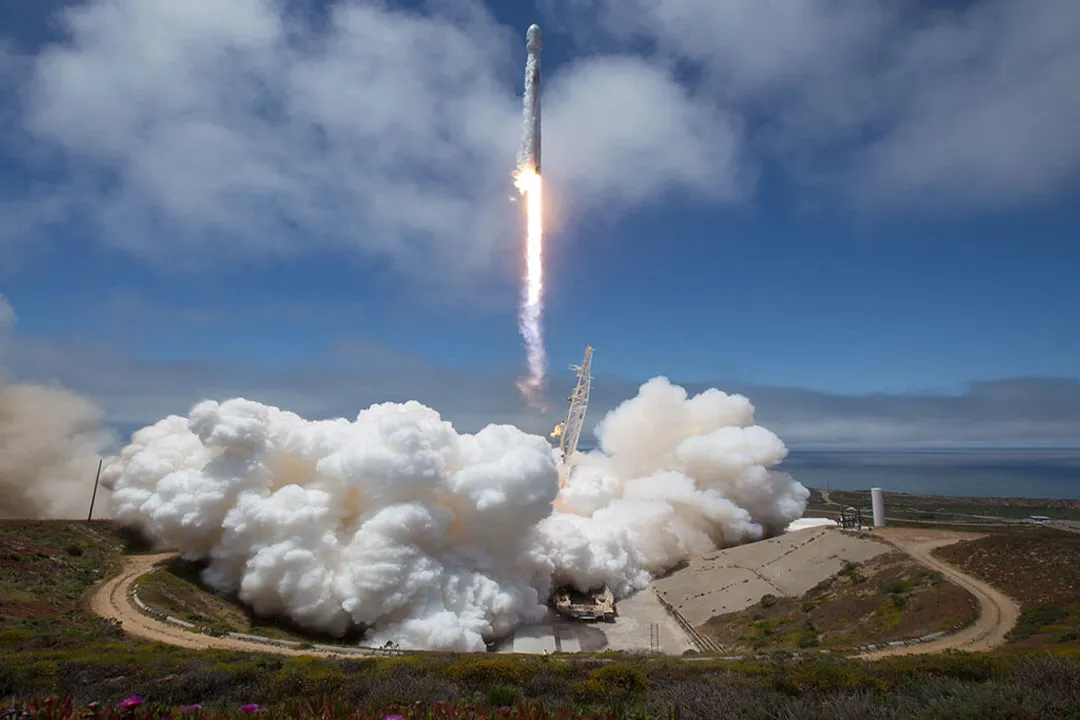
The sight of thick, white vapor billowing from a massive rocket on the launchpad, sometimes swirling dramatically around the base or clinging to the vehicle's structure, often surprises first-time observers. This dramatic atmospheric effect is frequently mistaken for smoke or some early indication of engine firing, but the reality is far more related to basic physics and temperature differences than to combustion. This visible cloud is essentially the atmosphere itself reacting to the rocket's incredibly cold internal environment. [1][3]
# Cryogenic Chill
Rockets, especially those designed for high-performance missions, rely on propellants that must be kept at extremely low temperatures to remain in a liquid state. [5] These are known as cryogenic propellants. Common pairings include liquid oxygen () and liquid hydrogen (). [5] Liquid oxygen boils at around (), while liquid hydrogen is even colder, boiling at about (). [5]
To store these substances, the rocket tanks and the associated plumbing that transfers the fuels are kept heavily insulated, but they still act as massive, super-chilled surfaces exposed to the ambient air on the pad. [1] The visual effect we see is a direct consequence of this intense, sustained cooling process applied to the vehicle's exterior skin and the nearby ground support equipment. [3]
# Visible Plumes Explained
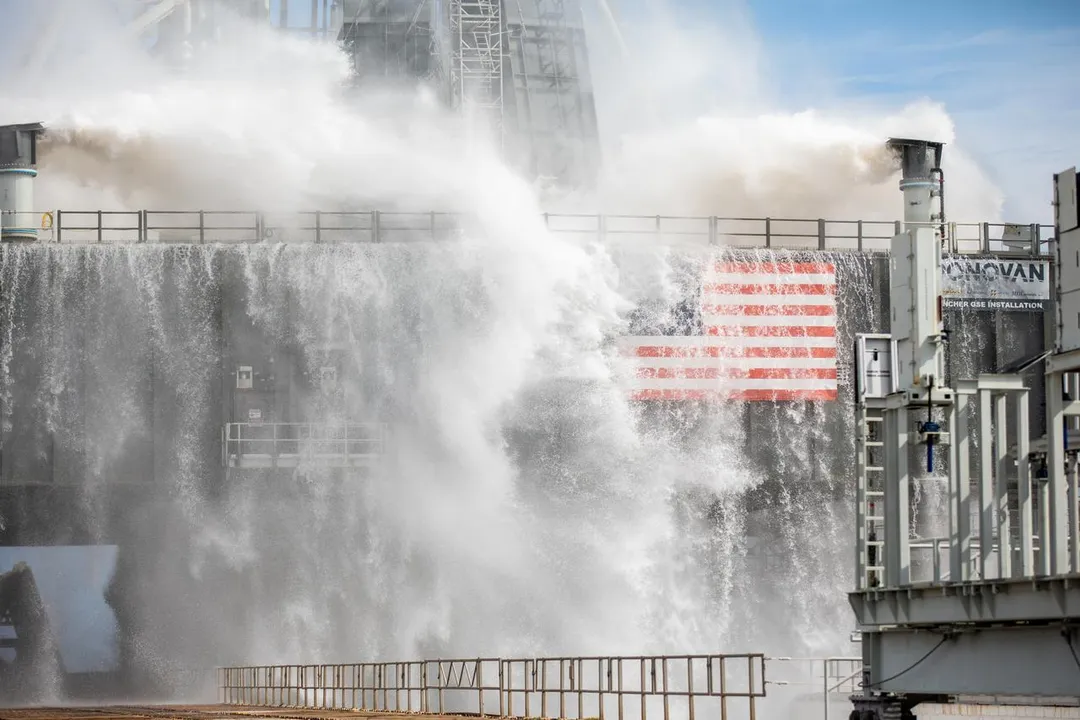
What people are observing in those dense white clouds is not escaping rocket fuel or pre-ignited exhaust; it is overwhelmingly water vapor from the surrounding air that has condensed upon contact with the cold surfaces. [1][3][4] The air around the launchpad contains varying amounts of moisture, or humidity. When this relatively warm, moist air touches the skin of the rocket or the external pipes carrying the cryogenics, the air temperature drops sharply below its dew point. [1]
This rapid cooling forces the water vapor in the air to transition directly into a visible liquid or ice-crystal cloud—the exact same process that forms fog or the breath you see on a cold winter day. [3][4] On the ground, this condensation can look like smoke, but it is scientifically analogous to the clouds seen forming around an ice-cold glass of water on a humid summer day, just on a much grander scale. [1][6] Observers have noted this phenomenon vividly, particularly around the Falcon 9 during its propellant loading phase, where the white vapor pours out from various points on the vehicle. [2] This vapor is essentially the atmosphere trying to dehumidify itself against the structure of the spacecraft. [1]
# Condensation Dynamics
The sheer volume of vapor generated is directly related to the local weather conditions on launch day. A key variable is the humidity of the air; the more water vapor present in the atmosphere, the more dramatic the resulting condensation cloud will be. [6] If the air is very dry, the vapor cloud will be thin or barely noticeable. Conversely, on a warm, muggy day, the visible "steam" can be so thick it temporarily obscures parts of the rocket structure near the pad. [1]
Consider an operational scenario: If the ambient air temperature is () with 80% relative humidity, the volume of moisture available to condense onto the super-chilled surfaces is maximized. In contrast, if the air temperature is the same but the relative humidity is only 30%, the condensation will be significantly less pronounced. This atmospheric variability explains why two identical rockets launching from the same pad might present vastly different visual displays of pre-launch vapor based solely on the day's weather. [6] The vapor is therefore a real-time, visible representation of the local atmospheric conditions being chilled by the vehicle's core systems.
# Propellant Specifics
While most of the visible vapor is condensed atmospheric moisture, the temperature of the propellant itself can influence the immediate environment. Different propellants have different boiling points, which affects the temperature gradient at the exterior surface of the tanks or vent lines. [5]
Liquid oxygen, for example, is extremely cold, causing significant condensation. However, some of the vapor seen around certain areas, especially near vents where gases are being intentionally released as tanks reach pressure equilibrium, might involve small amounts of gaseous oxygen or even water ice sublimating off surfaces that have been frozen solid. [1] The extreme cold can cause atmospheric moisture to freeze instantly upon contact with metal surfaces, creating a layer of frost that then slowly sublimates back into vapor, adding to the visual effect. [3] The difference in the "chill signature" between a tank filled with the relatively "warmer" versus the far colder can sometimes be subtle but distinct to trained observers tracking the loading sequence. [5]
# Ground Operations Indicator
For the engineers and technicians managing the launch countdown, the visible vapor plume serves as an important, if secondary, indicator of system status. The continuous outpouring of vapor from vents and around tank interfaces confirms that the cryogenic systems are successfully maintaining the required low temperatures. [3]
During the complex process of loading propellants, ground crews monitor pressures and temperatures meticulously. A sudden cessation or dramatic increase in visible vapor from a specific area might signal an unexpected change in insulation integrity or a pressure anomaly in that line, prompting ground control to investigate before proceeding with the final countdown sequence. The persistent, steady stream of vapor, therefore, is often interpreted as a sign that the thermal management systems are working as designed, keeping the super-cold liquids contained and stable within their insulated shells. [2] It gives the ground team visual confirmation that the rocket is achieving and holding its "ready state" temperature profile.
# Differentiating Vapor and Exhaust
It is crucial to distinguish this pre-launch atmospheric effect from the event that occurs moments after engine ignition. The vapor discussed here is a cold-weather phenomenon occurring while the vehicle is fully fueled and connected to the pad systems. [1][3]
The exhaust plume generated during launch is an entirely different chemical event. Once the engines ignite, the propellants ( and , for example) are rapidly mixed and combusted in the engine chambers, creating superheated exhaust gases—primarily steam () and hydrogen—that exit the nozzles at supersonic speeds. [5] While the post-ignition cloud is also largely steam, it is the product of controlled chemical reaction and immense thermal energy, appearing as a roaring, fiery column rather than a passive, swirling condensation cloud. [5] The pre-launch vapor vanishes almost instantly as the ambient air warms slightly or is blown away by wind, whereas the exhaust plume is a sustained, energetic event tied directly to engine thrust. [4] The gentle, ghostly white mist gives way to a violent, bright cloud when the hold-down clamps release.
Related Questions
#Citations
What is the vapour/smoke that comes from a rocket before launch?
What was the white vapour coming off of Falcon 9 tonight before ...
Why is there steam coming off a rocket before it launches? - Quora
Why Rockets Smoke Before Launch - Rocket Science in 60 Seconds
How Do We Launch Things Into Space?
Clouds from rockets
Follow (us) @Explaining to learn something NEW every day NASA ...
I don't know if someone asked before, but one thing that amazes me ...
What was all the white smoke surrounding the starship before launch?