Do SpaceX rockets have self-destruct?
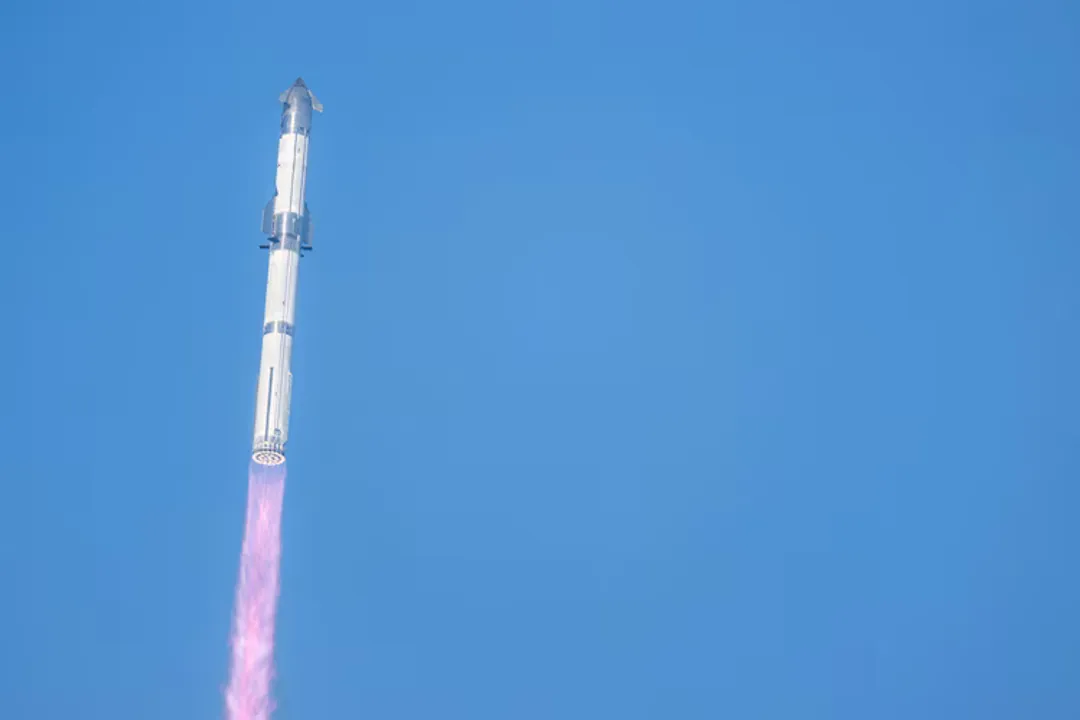
The concept of a self-destruct mechanism on a rocket, often framed dramatically in science fiction, translates in the real world to a critical safety feature known as a Flight Termination System (FTS). [6] When discussing vehicles built by SpaceX, such as the workhorse Falcon 9 or the massive Starship, the answer to whether they possess this capability is not a simple yes or no; it depends heavily on the vehicle, the mission phase, and whether the flight is operational or developmental. [1][6]
# Falcon Termination
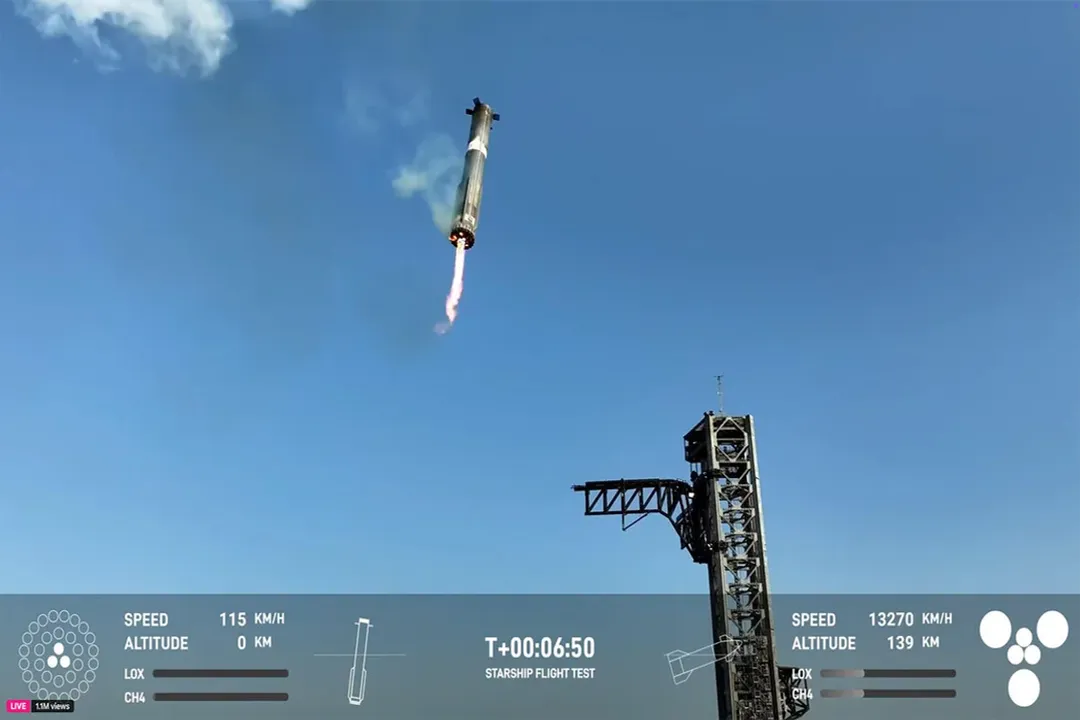
For the operational Falcon 9 rocket, an automated system is indeed in place to terminate the flight under specific, predefined failure conditions. [1] This capability is primarily a matter of range safety, ensuring that if the rocket deviates too far from its planned trajectory—perhaps due to a major engine failure or a guidance anomaly—it can be commanded to safely break apart. [1][6]
The Reddit community discussion highlights that the Falcon 9's system can be activated automatically. [1] This automation is designed for speed; if the Guidance, Navigation, and Control (GNC) system registers an unacceptable deviation from the flight path, the system initiates termination without needing an immediate, explicit command from a human controller. [1] This rapid response is vital because the window for safely interrupting an out-of-control trajectory is very narrow, especially shortly after liftoff. [6] This stands in contrast to some older systems where the termination command was exclusively manual.
# Starship Testing
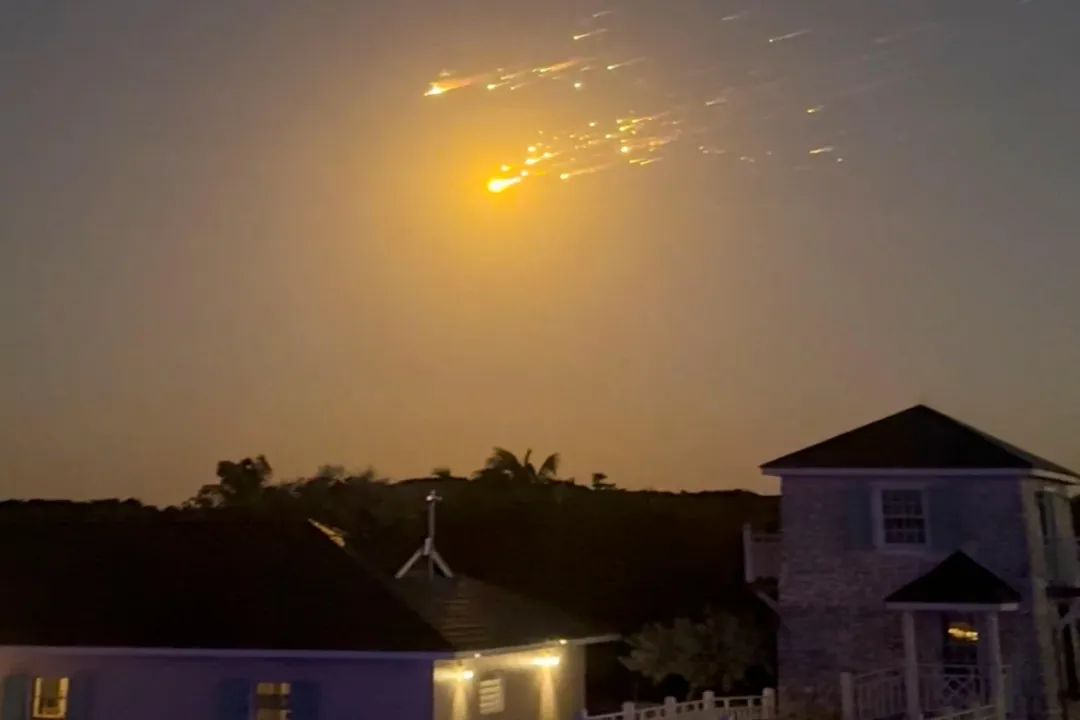
The situation surrounding Starship, SpaceX’s next-generation launch vehicle, is slightly different, largely because its initial flights were uncrewed, high-risk developmental tests. [7][8] During these integrated flight tests (IFTs) conducted in Boca Chica, Texas, the necessity for a robust FTS was paramount. [8] The goal of these early tests was pushing the vehicle to its limits to gather data, which inherently means accepting a higher probability of failure than a routine satellite launch. [7]
News reports documenting these tests often describe the vehicle breaking up or failing mid-flight. [5] When these failures occurred, whether due to pressure fluctuations or structural failure, they were managed under the Flight Termination System protocols. [5][8] For these developmental flights, the termination command could originate from SpaceX personnel on the ground, adhering to pre-approved parameters established with regulatory bodies like the FAA, whose approval is necessary for the launch. [8] The sheer scale and novel architecture of Starship mean that any deviation from nominal performance carries a significant risk, making the FTS an essential piece of range safety hardware. [8]
# Regulatory Mandates
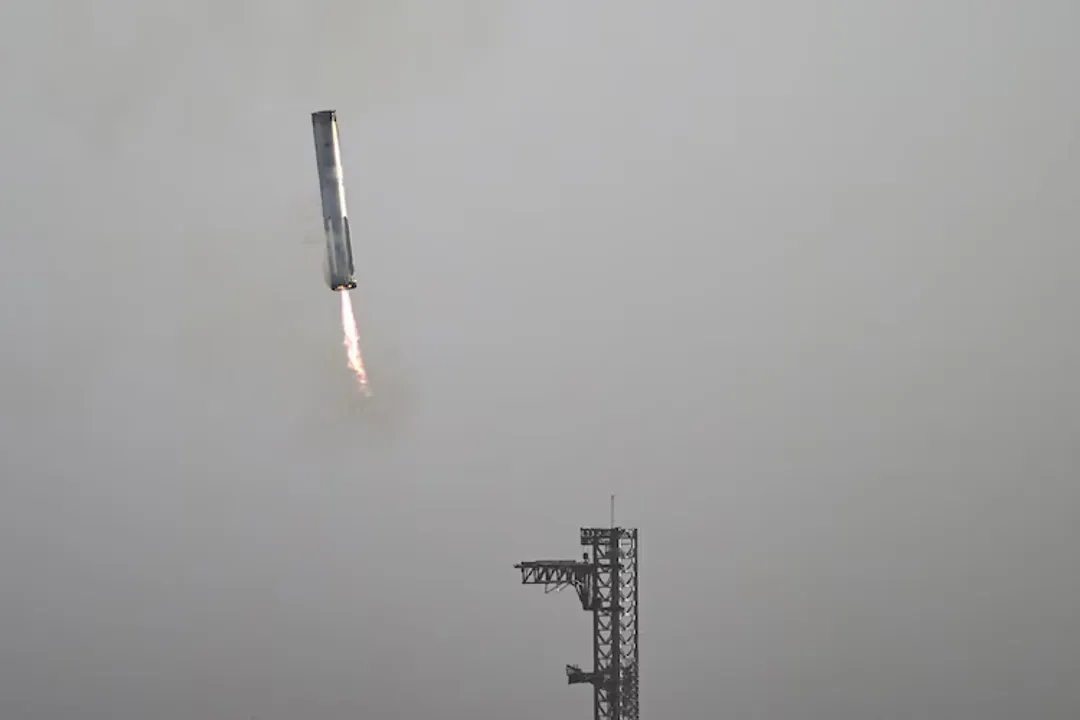
The driving force behind these destructive capabilities is not a feature SpaceX adds for flair, but rather a strict regulatory requirement known as Range Safety. [6] Launch providers are responsible for ensuring that their vehicles, if they fail, do not endanger the public or private property on the ground or at sea. [6]
This requirement means that every launch vehicle must have a reliable way to destroy itself if it poses a hazard to the downrange area. For SpaceX, this translates into ensuring the FTS is functional on both Falcon 9 and Starship. The system must be capable of rendering the rocket inert, typically by separating the tanks containing propellants or detonating the structure in a way that causes rapid aerodynamic breakup, ensuring debris disperses over water or unpopulated zones. [1][8]
# Mechanism Nuances
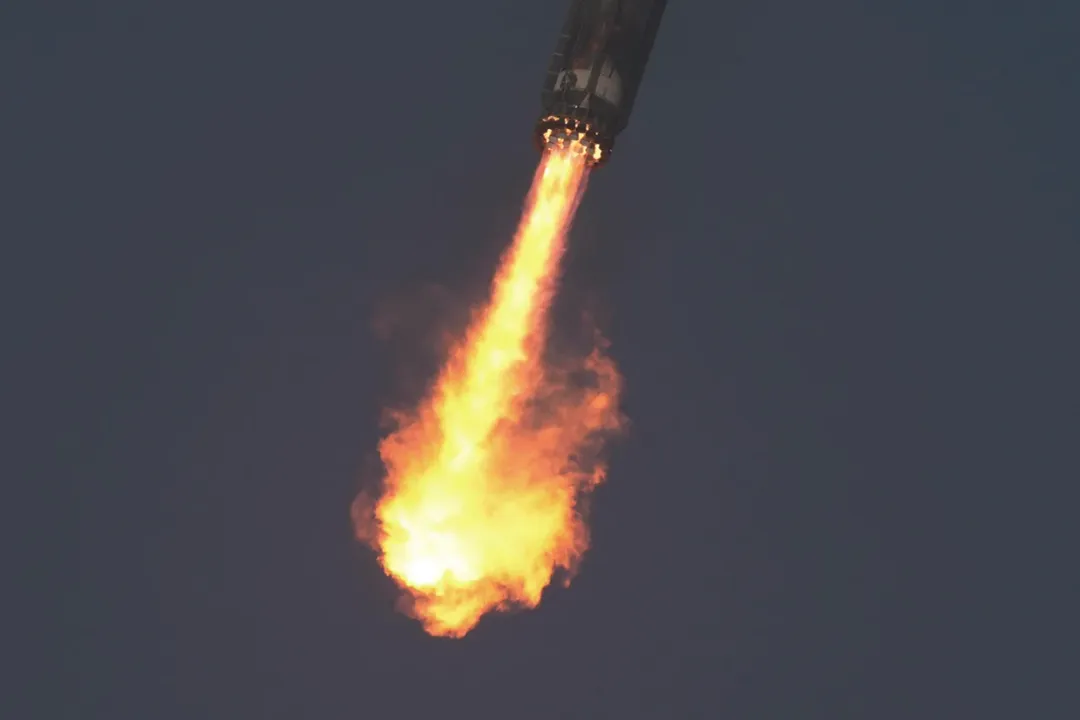
While the outcome—the destruction of the rocket—is the same, the activation criteria and execution can vary slightly between vehicles and mission types. [1][6]
For an operational Falcon 9 delivering a satellite, the system relies heavily on the automated check against the planned trajectory. [1] If the rocket is flying where it should be, the system remains dormant. If it veers off course, the automated sequence takes over rapidly. [1]
In contrast, a developmental Starship test might have a more complex, layered termination protocol. It involves an automated check, but also the ability for the Range Safety Officer (RSO) to issue a manual command if the automated system is deemed unreliable or if the failure mode is unexpected. [6] The physical implementation involves placing explosive charges strategically throughout the vehicle, primarily near propellant tanks, designed to be initiated by an electrical signal. [1] The goal isn't an uncontrolled explosion, but rather a precisely engineered severance of structural components to cause the vehicle to tear itself apart quickly, limiting the energy and size of resultant debris. [1]
It is important to recognize that the public perception often equates "self-destruct" with a spectacular detonation; however, the engineering behind it is focused on hazard mitigation rather than visual effect. [8] A well-executed FTS injection causes components to separate under aerodynamic stress, effectively stopping the vehicle’s forward momentum and preventing dangerous ballistic trajectories toward populated areas. [1]
# Crewed Implications
The discussion naturally shifts when considering crewed missions, particularly the eventual human rating of Starship. [6] For crewed vehicles, the termination system becomes even more complex due to the presence of human life.
For the SpaceX Crew Dragon capsule, an entirely different system—the SuperDraco abort motors—is the primary means of saving the crew, designed to pull the capsule away from a failing booster before the FTS would typically be activated. [6] This layering of safety—crew escape first, vehicle disposal second—is essential for human spaceflight certification.
While the Falcon 9 boosters used for Crew Dragon missions still require an FTS for range safety, the RSO’s decision matrix when a fault occurs will heavily weigh the possibility of crew survival. For a crewed Starship, the FTS would still exist to protect the range should the abort system fail or if the failure occurs post-abort scenario. The criteria for authorizing the FTS command during a crewed flight would be far more restrictive, likely requiring near-certainty that the vehicle is on an uncontrolled trajectory toward a populated area before termination is authorized. [6] The very presence of the crew necessitates a different operational philosophy regarding remote termination compared to launching an uncrewed cargo vehicle or a developmental test article. [6]
One insightful way to view this transition is by contrasting the intent of the termination. For an uncrewed Falcon 9, the FTS is disposal upon critical failure to meet performance metrics. [1] For an uncrewed Starship test, the FTS is an accepting failure mode built into a process designed to learn from destruction. [7][8] For a crewed mission, the FTS represents the absolute last resort, invoked only when the alternative is catastrophe on the ground, whereas the primary in-flight emergency response focuses entirely on crew preservation. [6]
Ultimately, SpaceX rockets, like nearly all modern orbital launch vehicles, are equipped with systems capable of remote or automated destruction. [1][6] Whether you call it a self-destruct button or a Flight Termination System, its purpose remains consistent: to enforce the boundaries of safe flight established by the range over which the vehicle launches. [8] The technology is a mature, necessary component of operating large, powerful rockets in Earth’s atmosphere. [1]
#Videos
SpaceX Starship self-destructs after successful launch and test flight
Related Questions
#Citations
Only on Falcon 9: Automated system can terminate SpaceX rocket ...
SpaceX Starship self-destructs after successful launch and test flight
Do SpaceX rockets have a self destruct button? - Quora
SpaceX Rocket Struggled to Self-Destruct as It Spun Out of Control
SpaceX Starship breaks apart after launch in second failure in a row
Will spaceX crewed boosters have a self-destruct mechanism?
SpaceX Says Numerous Fires Broke Out on Board Its Starship ...
In 9th flight test, SpaceX's Starship experiences 'rapid unscheduled ...
SpaceX's latest Starship test flight ends with another explosion - NPR