What is the most reliable rocket in the world?
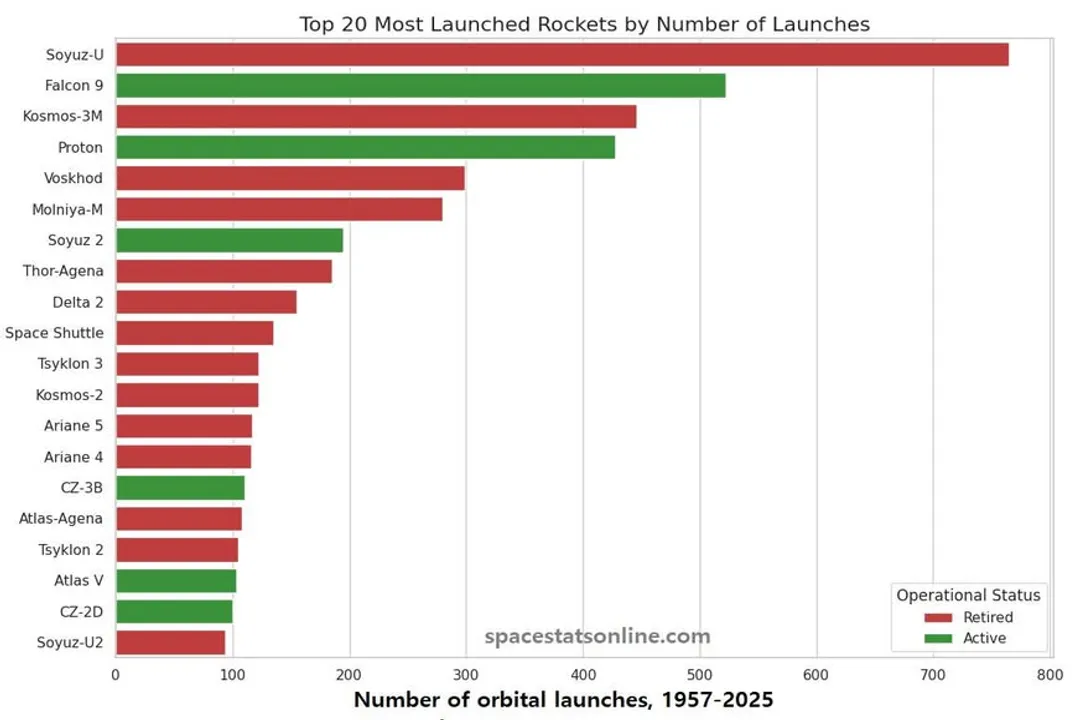
Determining the single "most reliable" rocket in the world is less about finding a definitive historical record and more about understanding how we define reliability in the constantly evolving aerospace industry. Reliability can be measured by the percentage of successful missions, the sheer number of successful launches flown, or even the consistency of meeting demanding schedules. [4] While older rockets boast near-perfect cumulative success rates over fewer flights, modern vehicles are judged on their ability to fly frequently, cheaply, and successfully, often while pioneering new technologies like reusability. [2][8]
# Metric Focus

When comparing launch systems across decades, one must decide which success metric holds the most weight. A classic measure is the success rate: total successful orbital launches divided by total attempts. [1] For instance, some historical rockets achieved success rates above 95% or even 98%. [4] However, a modern rocket that flies 50 times a year with a 99% success rate may be considered more "reliable" for current mission providers than an older system with a 100% success rate over just 10 total flights decades ago. [1][5] The modern context prioritizes operational availability and mission success rate at high cadence. [7]
# Falcon Dominance
Currently, the Falcon 9 vehicle developed by SpaceX is widely cited as the world’s most reliable active rocket. [2][8] This claim is rooted in its extraordinary flight frequency and an extremely high success rate across its operational lifespan. [7] By early 2024, the Falcon 9 had logged hundreds of flights, establishing itself as a workhorse for commercial and government payloads alike. [7] What truly sets it apart, according to observers, is the added complexity of its reusability program; the vehicle not only successfully delivers payloads but also reliably lands its first stage booster for refurbishment and reuse, a feat that significantly reduces launch costs. [7][8]
The near-perfect flight record of the Falcon 9, especially when factoring in flights where the booster was reused, demonstrates a mature manufacturing and operational process. [6] While the industry tracks the occasional anomaly, the continuous stream of successful launches—often involving the reuse of previously flown hardware—builds significant operational trust. [5][7]

# Legacy Vehicles
Historically, before the rise of modern private spaceflight, reliability was often associated with national prestige and Soviet/Russian engineering, particularly the Soyuz family of rockets. [4] The Soyuz platform has an exceptionally long history, having served as the backbone for crewed access to space for decades. [4] While its overall success percentage over its entire history is extremely high, like many long-serving vehicles, it has experienced failures that, while infrequent, are well-documented in historical records. [4]
Another benchmark from the Western world includes the retired Atlas and Delta families of rockets. [1][4] These vehicles, produced by organizations like United Launch Alliance (ULA) or its predecessors, were known for their robustness and were often selected for high-value national security missions precisely because of their established flight heritage and proven reliability curves over many years of service. [4] Comparing the cumulative success of a vehicle like Atlas V to the Falcon 9 requires careful weighting of their respective flight environments and technological generations. [1]
# Air Launch Niche
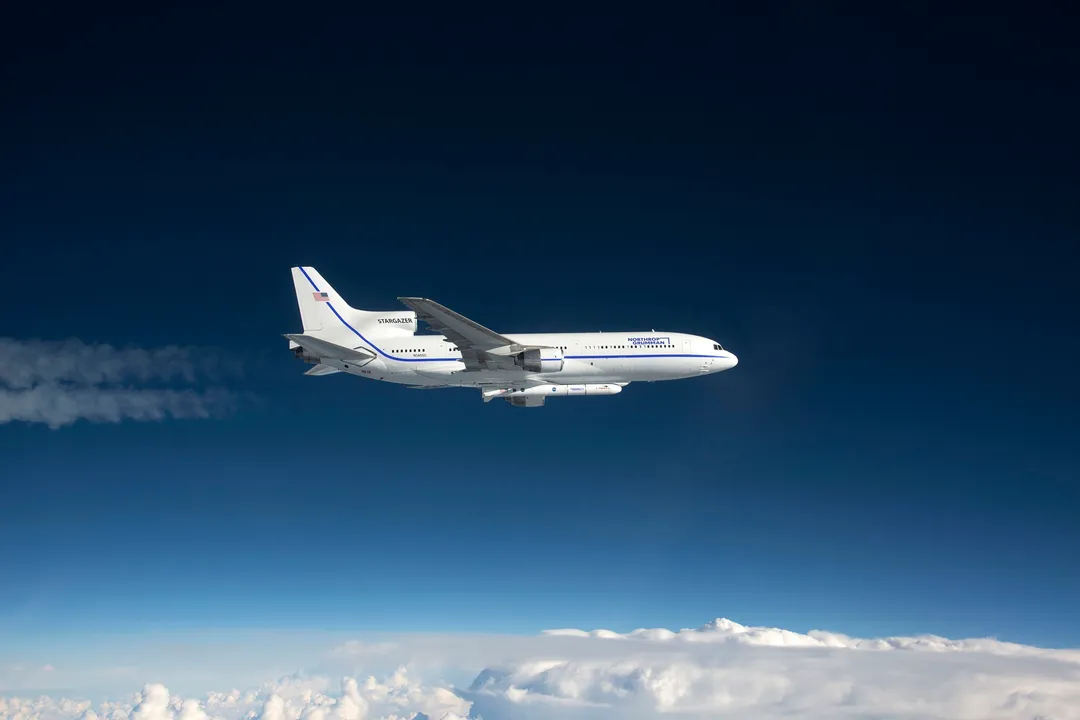
Not all reliability discussions center on traditional vertical launch systems. The Pegasus rocket, developed by Northrop Grumman, offers a distinct approach as an air-launched vehicle. [9] Launched from an aircraft, Pegasus avoids the potential ground risks associated with a traditional launch pad countdown and initial ascent phase. While its mission profile is niche—often used for smaller satellites or missions requiring specific orbital inclinations—its operational success rate speaks to the reliability of its design within that specific operational envelope. [9] Its launch method inherently offers different failure modes compared to systems beginning on the ground.
# Modern Viewpoint
The rapid success rate of the Falcon 9 has subtly shifted the perceived cost of failure in the commercial sector. When a rocket flies twice a week, even a single failure carries less long-term consequence for overall mission success percentages than a single failure for a vehicle that only launches twice a year. [1] If we consider operational stability, the sheer density of successful, repeatable launches achieved by SpaceX in recent years is itself a measure of reliability unmatched by any other single rocket system in the current era. [2][7] This high flight tempo allows for rapid iteration and improvement, cementing a higher level of operational confidence among customers. [5]
It is interesting to consider that the success of a modern vehicle like the Falcon 9, especially with reusability, effectively changes the economic reliability of space access itself. A launch provider that can guarantee a launch window with a high probability of success and a predictable, lower cost offers a reliability of service that transcends simple hardware success metrics. [8] The ability to recover and reuse the most expensive component changes the financial risk equation for every subsequent flight.
# Future Metrics
As new systems develop, future assessments of reliability will need to incorporate new data points. For instance, next-generation systems currently in development, such as Starship, will introduce even greater complexity with full, rapid reusability of both stages. [5] A true comparison in five years might involve a table that weighs not just the probability of orbit, but the turnaround time between successful flights.
| Rocket Class | Primary Reliability Indicator | Key Operational Feature | Historical Context |
|---|---|---|---|
| Falcon 9 | High Success Rate at High Cadence | First-Stage Reusability | Modern Workhorse |
| Soyuz Family | Near-Perfect Cumulative Success | Proven, Single-Use Design | Long-Serving Standard |
| Pegasus | Success Within Niche Parameters | Air Launch Capability | Specialized Missions |
Ultimately, the most reliable rocket today is likely the one that flies the most frequently and successfully, which currently points to the Falcon 9. [2][7] However, the concept of reliability in rocketry is fluid; it is a moving target dictated by technological advancement and the changing demands of accessing space. [4] The historical reliability champions set the standard, but the current champions are defined by their proven performance under the intense pressure of high-volume operations. [1]
Related Questions
#Citations
Comparison of orbital launch systems - Wikipedia
SpaceX Has the World's Most Reliable Rocket | The Motley Fool
Another example of one of the most successful and reliable rocket ...
Which is the most reliable rocket ever built and launched? - Quora
SpaceX's Falcon 9 is the most reliable rocket ever launched, by a ...
Falcon 9 is the second most launched orbital rocket in history
The most reusable and reliable rocket ever?
Pegasus Rocket - Northrop Grumman