What is special about the New Glenn rocket?
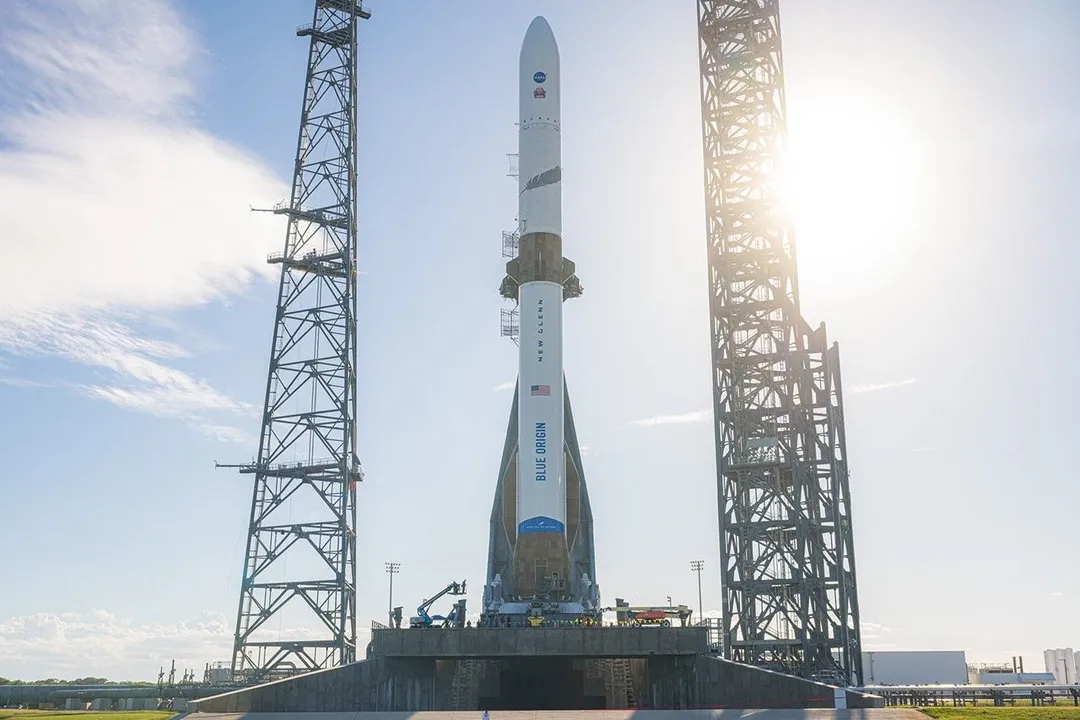
The arrival of Blue Origin’s New Glenn rocket represents a significant shift in the heavy-lift launch landscape, injecting a powerful new vehicle into a market that has long relied on a limited set of providers. [2][5] This massive vehicle, developed by Jeff Bezos's aerospace company, isn't just another addition to the launch roster; it embodies a next-generation approach to accessing space, centered on size, power, and, most critically, reusability. [1][4] For many in the industry, seeing New Glenn successfully complete its initial flights and achieve critical milestones, such as landing its first stage booster back on an autonomous drone ship at sea, signaled a major turning point for commercial spaceflight viability. [4][8]
# Vehicle Scale
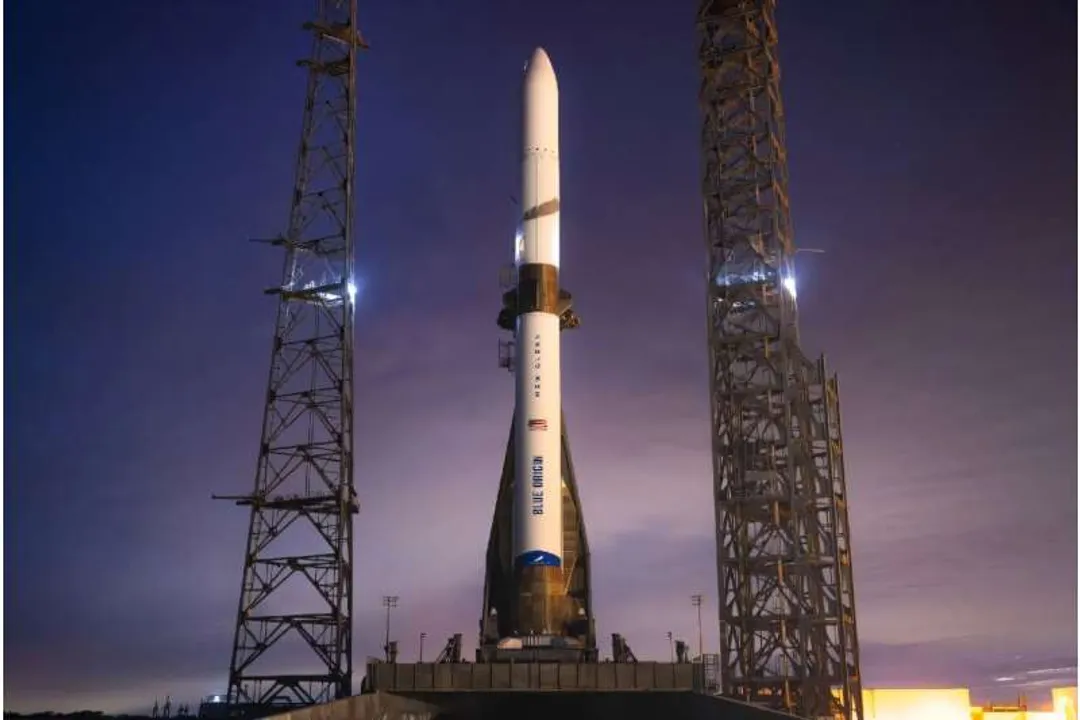
New Glenn immediately distinguishes itself through sheer physical presence. It is a two-stage-to-orbit (TSTO) rocket, designed from the outset with heavy-lift requirements in mind. [1] The sheer size is impressive, but the real story lies in the propulsion that makes this scale achievable. The first stage is powered by nine massive BE-4 engines. [1][8] These engines are a key element, utilizing liquid oxygen and liquid methane (methalox) as propellants. [1] This choice of fuel, shared with other modern rockets, is advantageous for manufacturing, handling, and eventual in-space operations, though the BE-4 itself is a domestic powerhouse for the US launch sector. [1][8]
The diameter of the rocket is a substantial 7 meters. [1] This size directly translates into significant payload capacity, which is the primary metric for defining a heavy-lift vehicle. It is engineered to carry large payloads far beyond low Earth orbit (LEO). [3]
# Reusability Focus
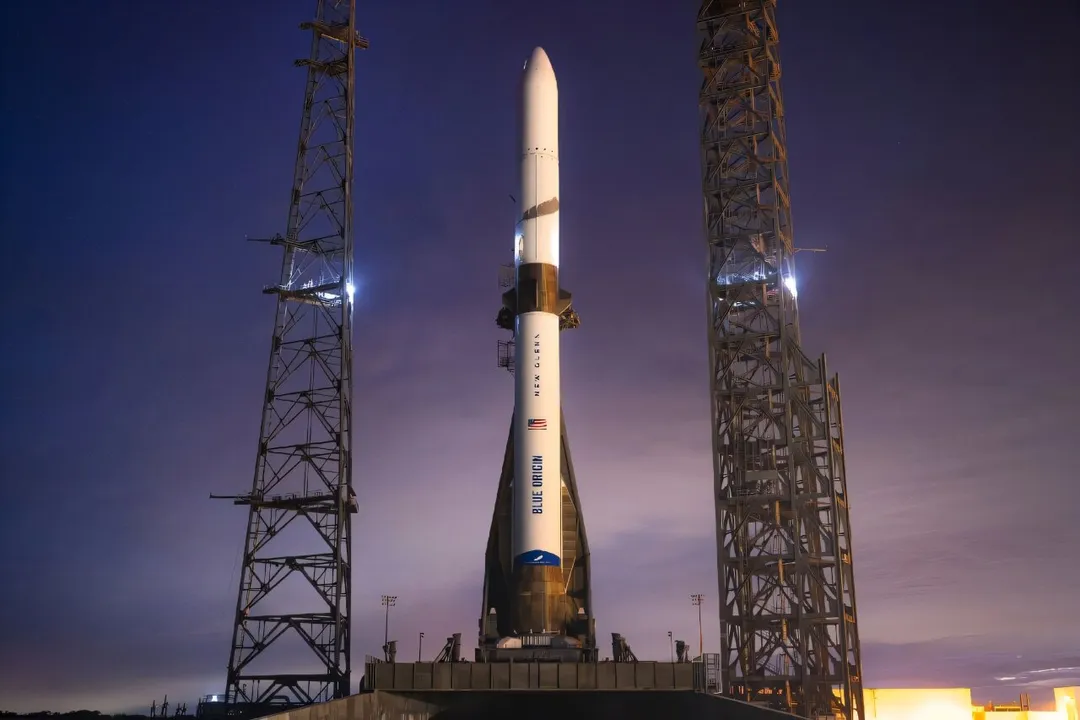
Perhaps the most publicized and potentially transformative aspect of New Glenn is its commitment to reusability for the first stage. [1][4] While its competitor, SpaceX, has proven the concept with the Falcon 9, New Glenn is designed to bring this capability to a larger class of rocket from the start. [2][4] Successfully recovering the first stage is not merely a technical flourish; it is fundamental to Blue Origin’s business model, aiming to drastically reduce the cost of access to space over the long term. [4]
The successful landing of the first stage onto the Landing Zone 1 drone ship, as seen following its initial operational flights, validates years of engineering effort. [4][8] This capability is what broadens the commercial spaceflight market, as predictable and lower operational costs attract a wider array of customers, including those with substantial national security payloads. [4][6] The ability to reliably execute a precision landing at sea, many hundreds of kilometers downrange, demonstrates a mature control system ready for routine operations. [8]

# Payload Power
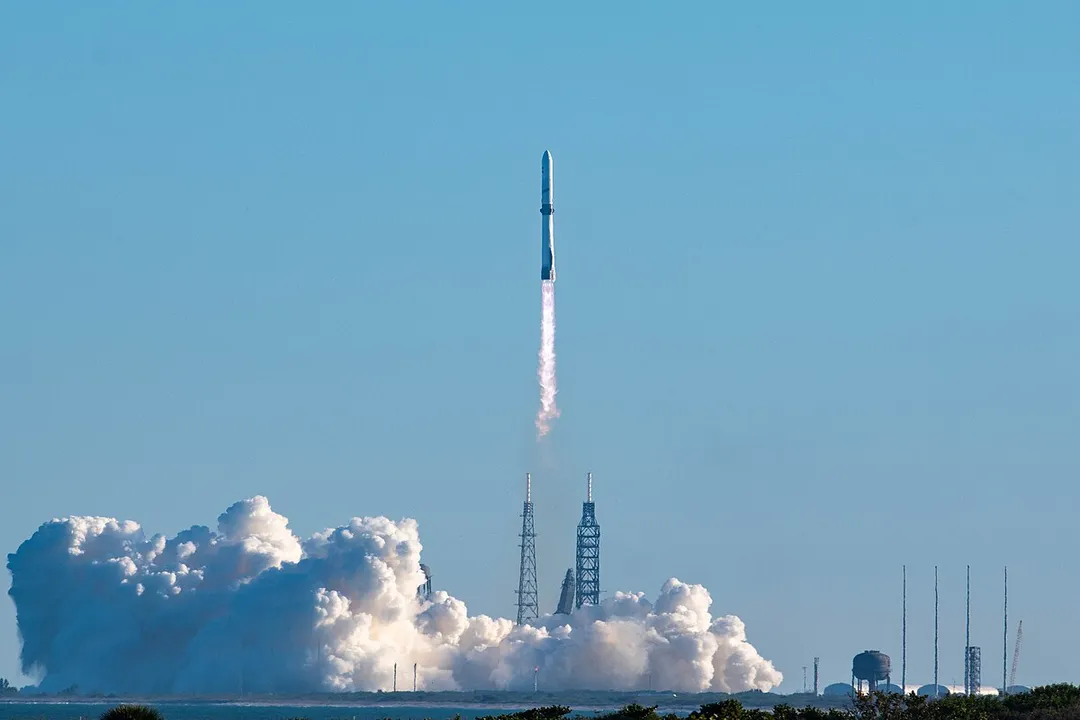
The capability numbers define how special New Glenn is in practical terms. This rocket is designed for serious orbital hauling. For missions destined for Low Earth Orbit (LEO), New Glenn is projected to be able to deliver substantial mass, exceeding what many existing workhorses can manage. [1][3]
However, where it truly shines, based on its design intent, is in delivering heavier payloads to higher, more energetic orbits. Specifically, it is designed for a significant payload mass delivery to Geostationary Transfer Orbit (GTO). [1][3] Sending payloads directly to GTO saves customers significant time, fuel, and complexity because the upper stage doesn't need to perform as many high-energy burns after separation. [1]
When considering the market, one can observe an interesting dynamic: the US launch market has historically relied on a mix of vehicles, often involving reliance on certain engine types or older designs for heavy lift. [6] New Glenn enters as a dedicated heavy-lift contender that pairs its capacity with an entirely new, domestically produced engine architecture via the BE-4s. [1][8] This means that the operational proof of the BE-4 engine system running a full, successful, heavy-lift mission acts as a major de-risking factor for the entire next wave of domestic space infrastructure that might depend on these engines, even beyond New Glenn itself. [1]
# Market and National Security
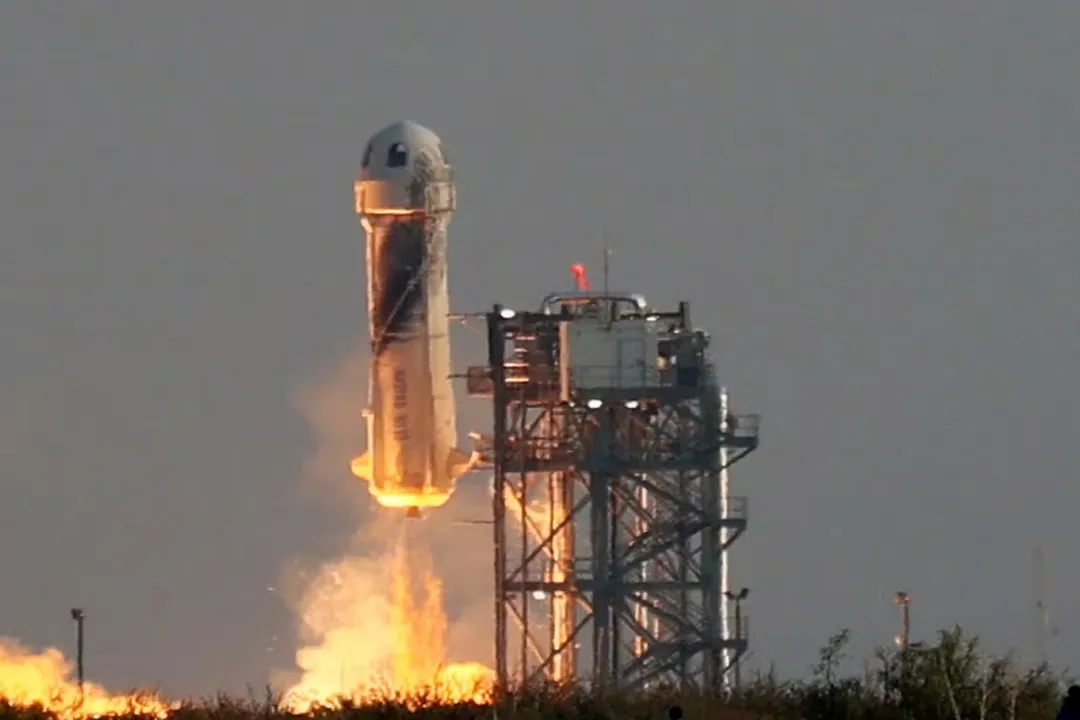
The introduction of a new heavy-lift vehicle is rarely just about science or tourism; it's deeply intertwined with national security and market competitiveness. [2][6] For government customers, particularly the Department of Defense, having multiple, capable, and reliable domestic launch providers is a strategic imperative. [2][6] The CSIS analysis points out that the importance of New Glenn is measured not just by its first success, but by the continued demonstration of operational cadence, particularly looking toward the second launch, which proves the system is more than a one-off demonstration. [6]
New Glenn’s capacity and expected reliability directly challenge the existing balance of power in the launch services market. [2][6] When a launch system can promise high mass to orbit repeatedly and cost-effectively, it opens up mission profiles—such as deploying larger constellations or sending heavier probes on interplanetary trajectories—that were previously too expensive or technically infeasible. [2]
The success of the booster recovery demonstrates an understanding that future competition will be won on operational cadence and cost, not just raw thrust. [4] The rocket is positioned to compete for high-value missions, including those under the National Security Space Launch (NSSL) program, ensuring that mission diversity and provider redundancy are maintained for critical national assets. [2][6]

# The Launch Experience
The actual launch process for New Glenn, particularly in its early demonstration phases, has been characterized by meticulous preparation and high-stakes testing. [5][8] The first launch readiness reviews, often involving agencies like NASA, confirm the stringent safety and performance standards required before a vehicle of this class is cleared for flight. [5]
The first-stage separation and descent phase are textbook examples of advanced rocketry, involving engine restarts in the vacuum of space to slow the stage for atmospheric entry, followed by a controlled terminal burn before landing softly on the drone ship. [4] This entire sequence, which occurs after the second stage has already begun its burn toward orbit, is technically demanding. For instance, the complexity of managing the aerodynamic forces on such a large booster during reentry, followed by the precision required for the final landing burn to hit a moving target on the ocean, represents a significant engineering hurdle overcome by the Blue Origin team. [4]
If we consider the implications of achieving this success early in the operational life of the rocket, it suggests a high level of confidence in the foundational design elements. Unlike some rockets that might achieve orbit first and then spend years attempting a landing procedure, New Glenn integrated the demanding recovery sequence into its initial high-stakes testing, suggesting the core vehicle architecture was built to accommodate the stresses of reuse from day one. [1][4]
# Future Trajectories
Looking forward, New Glenn is positioned as a long-term asset. While specific timelines for crewed flight or deep-space missions are subject to ongoing development, the infrastructure Blue Origin is building—from the launch site upgrades to the engine production facilities—indicates a commitment to sustaining this vehicle for decades. [1] Its ability to lift large components suggests it could play a role in supporting planned space stations or complex in-orbit assembly tasks that require moving massive structural elements in a single lift. [3] The rocket’s methane-fueled engine, the BE-4, offers a distinct operational profile compared to the kerosene or hydrogen alternatives used by some competitors, influencing logistics chains for launch providers and ground support teams alike. [1][8] The successful fielding of this powerful, reusable booster signifies that the commercial sector has established a stronger foundation for ambitious, high-cadence space access than perhaps existed just a few years prior. [2][4]
It is worth noting that for large commercial satellite operators, the real value isn't just the advertised LEO/GTO number, but the guarantee that the rocket will be available when needed, which is where the success of the second launch (proving operational capability beyond the first) becomes more critical than the first anomaly-free flight. [6] This continuous demonstration of operational maturity, rather than just maiden flight success, is what truly sets a long-term launch provider apart in the eyes of major customers. [6]
#Videos
What will you do with a New Glenn Rocket? - YouTube
Related Questions
#Citations
New Glenn - Wikipedia
5 reasons why Blue Origin's New Glenn Mars launch was a big deal
What exactly is New Glenn capable of? : r/BlueOrigin - Reddit
What will you do with a New Glenn Rocket? - YouTube
Blue Origin's New Glenn rocket landed its booster on a barge at sea
Blue Origin's New Glenn Rocket Go for Launch! - NASA Science
Blue Origin's New Glenn rocket goes vertical at Cape Canaveral
How Important Is Blue Origin's Second New Glenn Launch? - CSIS
Five things to know about New Glenn, Blue Origin's new rocket