Will New Glenn carry humans?
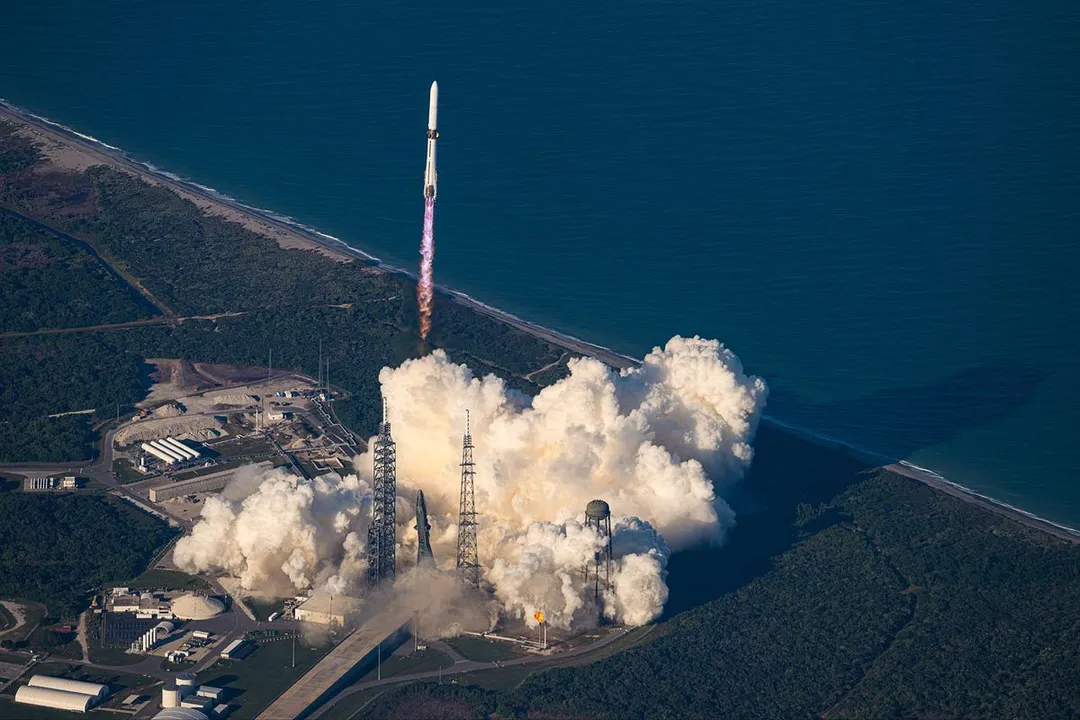
The heavy-lift vehicle known as New Glenn represents a significant upcoming capability in American spaceflight, designed by Blue Origin to serve a broad market ranging from launching large satellite constellations to deep space science missions. Its sheer size and power immediately raise the question of its ultimate role: will this massive rocket eventually transport astronauts? The answer, while currently leaning toward a later phase of its operational life, involves understanding the difference between a vehicle’s capacity and its formal certification status.
# Vehicle Scope

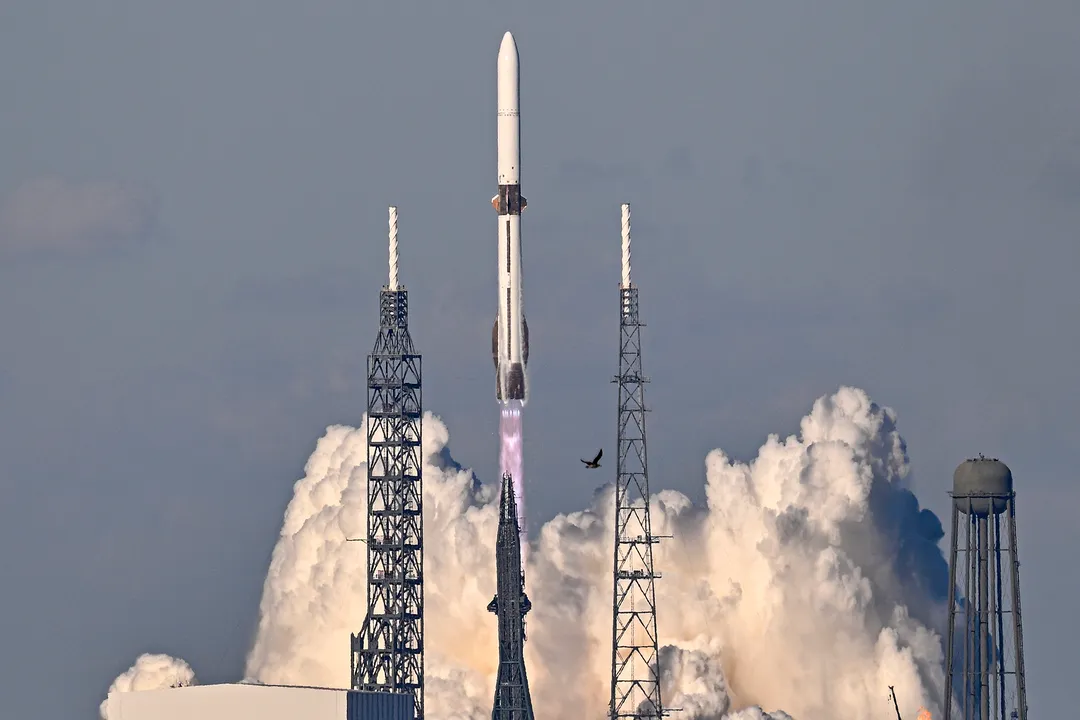
New Glenn is engineered as a two-stage-to-orbit vehicle, fundamentally built for high payload volume and mass delivery to various orbits. A key feature driving its capability is the use of the powerful BE-4 engines in the first stage, which Blue Origin manufactures itself. These engines offer the required thrust to lift significant mass, positioning New Glenn as a major player in the competitive heavy-lift sector. Its design emphasizes reusability for the first stage, intended to land back near the launch site, which impacts long-term operational costs and cadence.
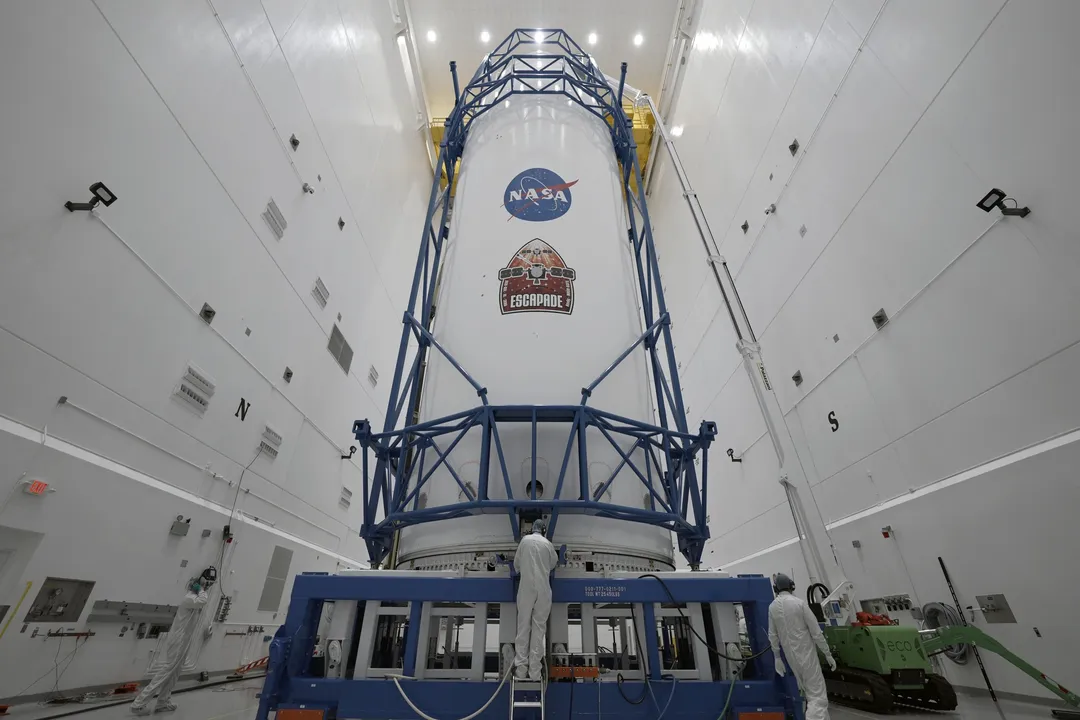
The vehicle’s immediate purpose, as outlined by Blue Origin, centers on commercial and national security payloads. For example, the second launch, which follows the initial test flights, is scheduled to carry vital cargo, demonstrating the system's operational readiness for routine missions. This focus on uncrewed missions is a deliberate and necessary step in the lifecycle of any new orbital-class rocket.
# Rating Process
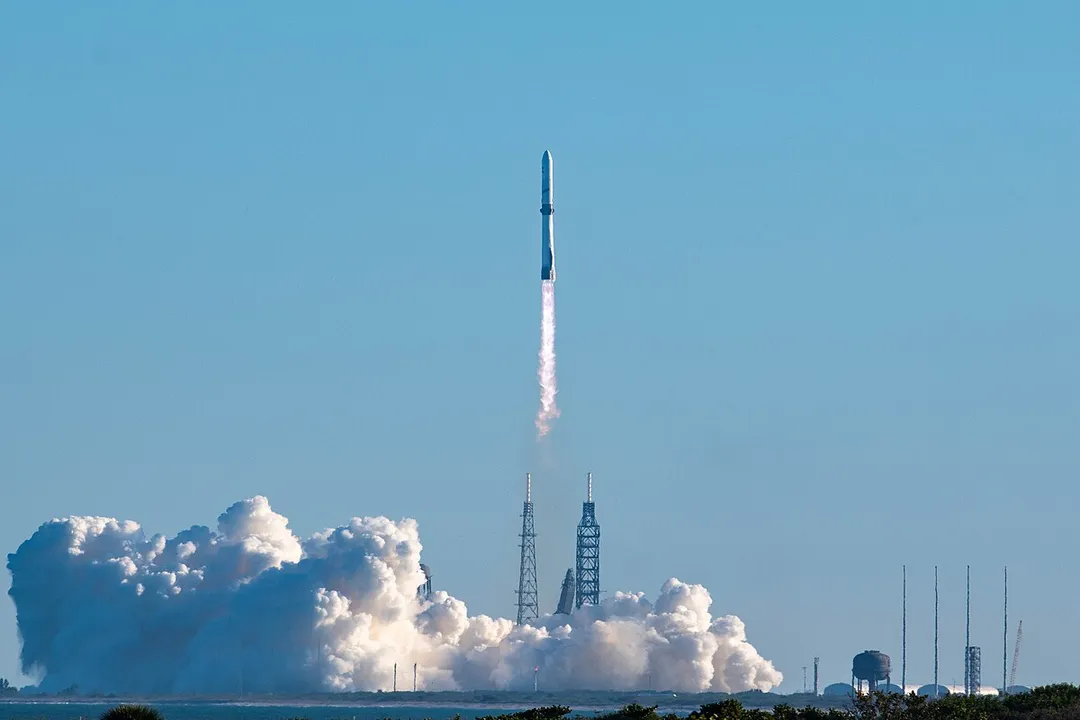
The journey from an operational cargo launcher to a certified human-rated system is substantial, demanding much more than simply proving the rocket can reach orbit safely. Human rating, particularly for missions involving NASA or other government crew transport, requires rigorous adherence to specific safety standards that cover every aspect of the flight profile.
This process involves several layers of scrutiny that go well beyond the basic performance metrics needed for a satellite launch. For a rocket to be considered "human-rated," it must demonstrate an extremely high level of reliability and incorporate specific safety mechanisms, such as a functional launch abort system capable of pulling the crew capsule away from a malfunctioning booster. These abort systems need extensive testing, often involving uncrewed test flights specifically designed to trigger the abort sequence to validate its performance under stress.
The common path for a new heavy-lift vehicle involves establishing a long track record of safe, successful, uncrewed flights first. Before Blue Origin can seriously pursue crewed missions—whether for its own suborbital Blue Moon lander concept or for external crew transport—the New Glenn first stage must prove its reliability through many successful cargo launches. Discussions within the aerospace community suggest that the first few years of operation will be dedicated solely to building this flight heritage and ironing out any initial operational anomalies inherent in a new system.
# Strategic Approach
Blue Origin appears to be taking a measured, methodical approach to New Glenn’s introduction, contrasting somewhat with the faster, crew-focused initial deployment seen by some of its primary competitors. While SpaceX moved toward crewed missions relatively quickly after demonstrating Falcon 9 capability, New Glenn’s development timeline appears to prioritize establishing heavy-lift capacity first.
This distinction between capable and rated is important for a general observer. A rocket is capable of flying a crew if it has the physical structure, the correct payload volume, and enough power. However, it is only human-rated when regulatory bodies and mission operators certify that the probability of a catastrophic failure during the ascent phase meets incredibly strict risk thresholds for human life. This difference means that even if Blue Origin fitted a crew capsule onto the rocket tomorrow, it could not legally or ethically fly astronauts until the extensive human-rating certification phase is complete.
The success of the initial flights, such as the second mission targeted for early November, is critical not just for securing future satellite contracts, but for establishing the baseline data needed for that future human-rating certification process. Each successful cargo mission feeds into the statistical reliability models required by the FAA and NASA for crewed operations.
# Reliability Building
The necessary period dedicated to uncrewed flights serves a dual purpose that transcends mere technical proof. On one level, it validates the engine performance and the structural integrity of the vehicle under full operational loads, which is paramount for any launch provider. On a deeper, financial and strategic level, these initial uncrewed flights are essentially a low-risk method of accumulating operational flight hours necessary to build investor and government confidence. For a company launching a vehicle of this scale, establishing a reputation for on-time, nominal performance with expensive commercial and national security satellites acts as an essential financial buffer. It shows that the manufacturing and operational procedures are mature enough to protect high-value assets before the added complexity and liability of human life are introduced. This slow accumulation of success fundamentally de-risks the vehicle for subsequent, higher-stakes certification tracks.

# Crew Integration Potential
Despite the current cargo focus, the overall vision for Blue Origin strongly implies future human spaceflight participation, likely involving the New Glenn upper stage or as a dedicated human transport vehicle after certification. The company has stated long-term goals that encompass space infrastructure, suggesting that crew transport is an eventual objective rather than a discarded idea.
For a crewed New Glenn to become a reality, one of the most significant engineering challenges involves designing the necessary Launch Abort System (LAS) and the crew capsule interface. While Blue Origin has plans for a lunar lander, integrating a system that can safely separate and protect a crew during a high-energy ascent on a heavy-lift vehicle like New Glenn is a distinct engineering effort separate from developing the booster itself. The upper stage, which remains expendable on current cargo plans, would either need modification for reusability or a dedicated, separate crew module would need to be developed and integrated atop it, all while meeting the stringent standards for crewed flight termination and recovery.
The commitment to developing the BE-4 engine, which has applications across multiple vehicles, signals a long-term dedication to the heavy-lift space, making the human element a logical, if not immediate, future step. The investment required for human rating—in documentation, testing, and hardware redundancy—is substantial, meaning Blue Origin will need a clear, high-demand business case to justify the added expense beyond proving cargo capability.
# Future Outlook
The straightforward answer to whether New Glenn will carry humans is likely yes, following a successful period of demonstrating reliability with uncrewed missions. However, the timeline remains intrinsically linked to operational success. New Glenn is an ambitious rocket intended for the most demanding launch environments, and such systems necessitate patience in their development and certification phases. The question is less about if the technology can support it and more about when the established flight cadence provides the necessary statistical foundation and when the company chooses to make the regulatory investment required to formally achieve human-rated status. Until then, its primary contribution will be reliably placing the next generation of large satellites into orbit, building the foundation for future crewed endeavors.
Related Questions
#Citations
Are they going to human rate New Glenn? : r/BlueOrigin - Reddit
How Important Is Blue Origin's Second New Glenn Launch? - CSIS
New Glenn | Blue Origin
SpaceX Should Be Extremely Worried About Blue Origin - Will Lockett
Humans for scale by Blue Origin's New Glenn booster - Facebook
Is a crew-carrying capsule in the works for New Glenn?
New Glenn - Wikipedia
Second New Glenn launch set for Nov. 9 - SpaceNews
All eyes on Blue Origin as New Glenn prepares for launch - WESH