Was New Glenn a success?
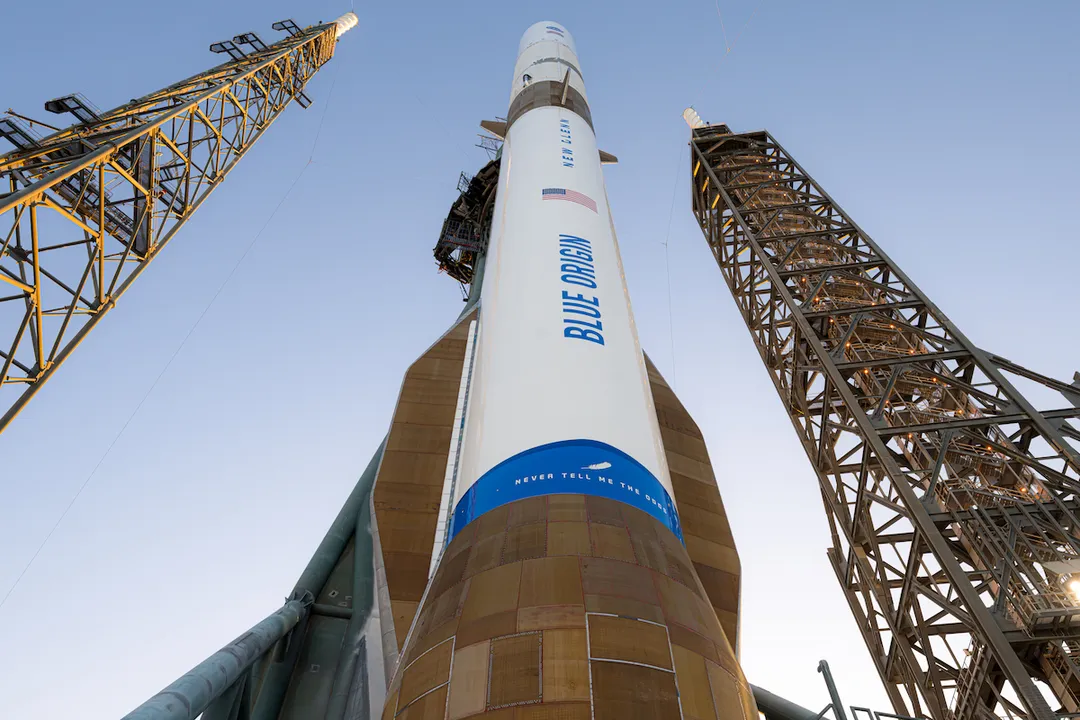
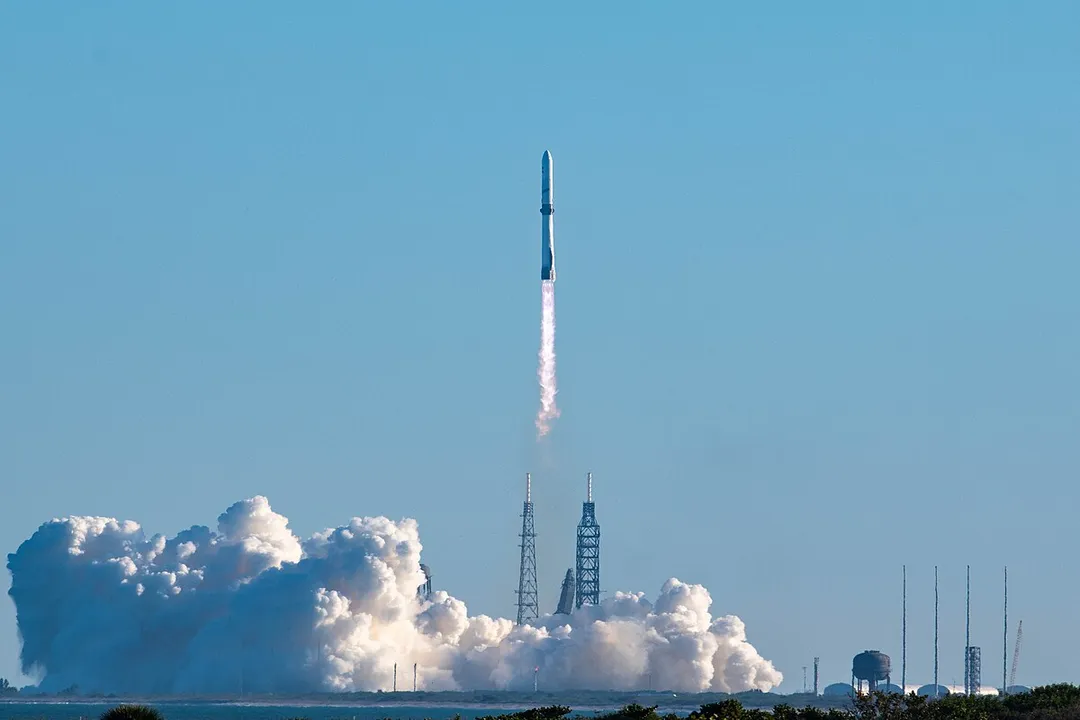
The successful debut of Blue Origin’s New Glenn rocket marked a significant moment for the commercial space sector, immediately establishing a new heavy-lift option capable of challenging incumbents and reshaping launch service expectations. Assessing whether this massive vehicle is a "success" requires looking past the immediate achievement of reaching orbit and examining its long-term operational goals, particularly around rapid and routine reusability. The first orbital mission, which successfully deployed its payload and then brought its enormous first stage back for a controlled landing on the autonomous drone ship Landing Zone Green in the Atlantic Ocean, validated the core architectural concept. This initial flight demonstrated that Blue Origin could manage the complexity of launching a vehicle of this scale and execute a precise recovery maneuver far downrange.
# Vehicle Specifications
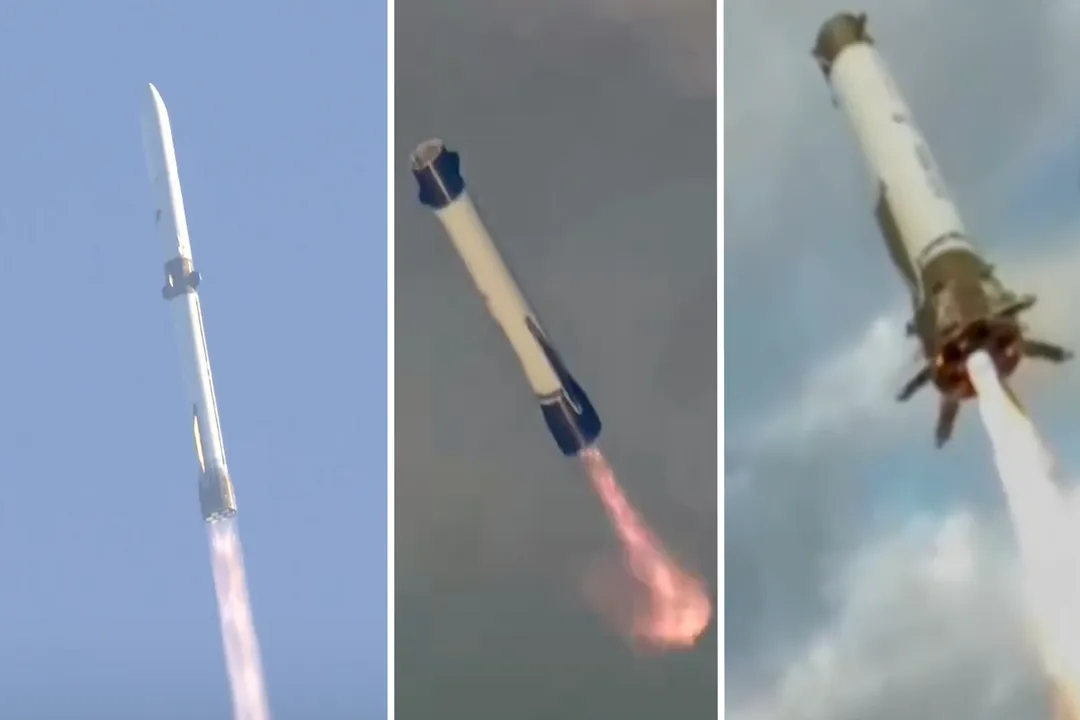
New Glenn is a two-stage, partially reusable heavy-lift launch vehicle designed to serve a wide array of missions, from commercial satellite deployment to national security payloads. A defining feature of the rocket is its first stage, powered by seven BE-4 engines. These engines are crucial, representing a major technological step for Blue Origin, as they burn liquid oxygen and liquefied natural gas (LNG). The decision to use methane as propellant, which is cleaner burning than kerosene, is a forward-looking one, offering potential advantages in engine cleanliness and simpler reusability procedures compared to hypergolic or refined RP-1 fuels.
The sheer physical presence of the rocket is notable; it stands 98 meters (322 feet) tall to the fairing tip, making it a true giant in the launch market. In its reusable configuration, the first stage is engineered to return and land vertically back at the launch site or, as demonstrated on its inaugural flight, land on a designated drone ship at sea.
# Reusability Milestone
The ability to reuse the first stage is perhaps the most heavily scrutinized aspect of any new heavy-lift rocket today, given the success achieved by competitors. While the first orbital test flight saw the successful recovery of the booster following a lengthy coast phase and a precision landing aboard the Blue Origin Booster Recovery Vessel (formerly Landing Zone Green), this maritime landing capability is a particularly challenging operational requirement.
Landing a large, heavy first stage on a moving vessel hundreds of kilometers downrange requires extraordinarily precise navigation, throttle control of the BE-4 engines during the final braking burns, and robust ship stabilization. The successful execution of this complex maritime recovery on the first try immediately signaled a high level of maturity in Blue Origin’s recovery architecture, which differs from land-based recovery systems used by other providers. This sea landing capability theoretically opens up more options for mission profiles that require higher energy trajectories, as the booster doesn't have to reserve propellant for a return burn all the way back to the launch site.
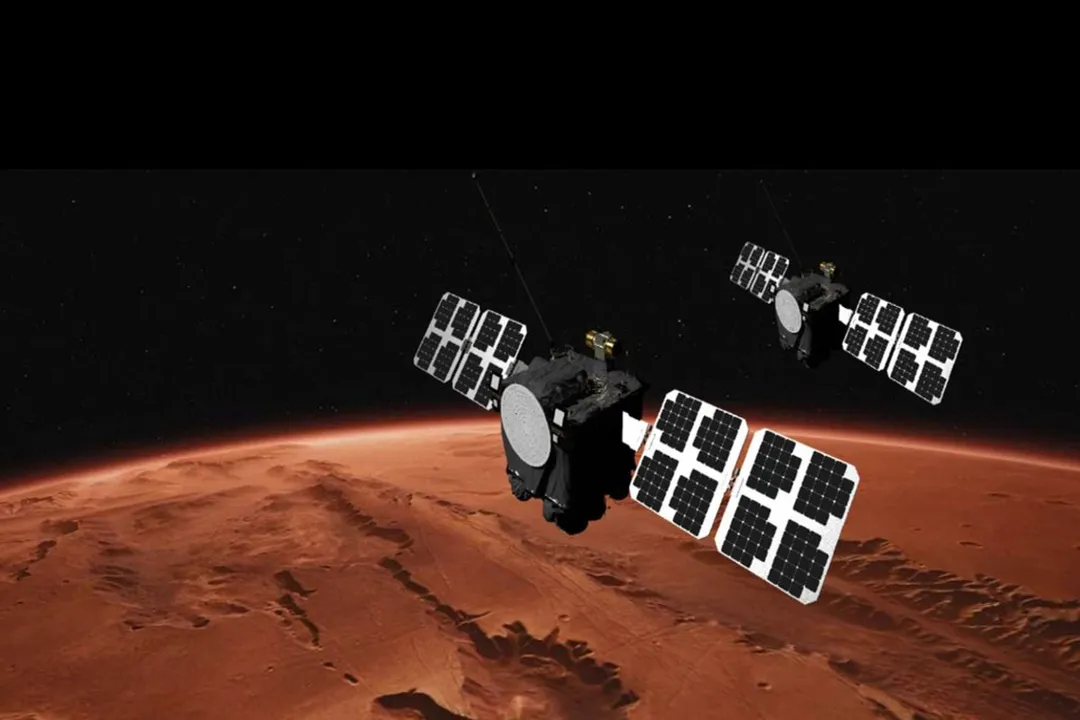
This initial success provides a solid foundation, but the true measure of reusability is turnaround time and cost reduction, metrics that will only be proven through repeated, rapid missions. For instance, the performance of the second flight, designated NG-2, which carried NASA’s ESPA Ring for the Electro-Optical Infrared Weather Demonstrator (EOWD) mission, will be telling in terms of how quickly the company can inspect, refurbish, and refly this massive stage. If Blue Origin can match the rapid turnaround times seen in the industry, New Glenn will be a game-changer; if refurbishment takes many months, the economic benefit of reusability is diminished.

# Market Position and Significance
New Glenn is entering a launch landscape that, while evolving, still has substantial needs for heavy-lift capability. The vehicle is designed to lift over 45 metric tons to Low Earth Orbit (LEO) in its reusable configuration, and significantly more—up to 13 metric tons to Geostationary Transfer Orbit (GTO)—when expended.
When considering this performance, it’s useful to frame New Glenn not just against current heavy-lift vehicles but against the anticipated needs of the next decade. A reusable New Glenn is projected to offer performance comparable to the expendable lift capacity of the now-retired Delta IV Heavy. This capability is vital for deploying large government and defense payloads, such as sophisticated reconnaissance satellites or large national security infrastructure components, which often require substantial energy to reach specific orbits or for direct injection. Missions for the U.S. Space Force are a planned component of its manifest, indicating its immediate relevance to defense priorities.
The introduction of a second, major heavy-lift provider capable of routinely landing its primary stage acts as a powerful market stabilizer. Should one provider face extended delays due to technical setbacks or fleet grounding, the existence of a powerful, operational alternative like New Glenn prevents major national or commercial programs from stalling entirely. This redundancy is a significant strategic advantage for the entire space ecosystem, reducing dependency on a single launch provider for critical missions.
# The Second Flight Test
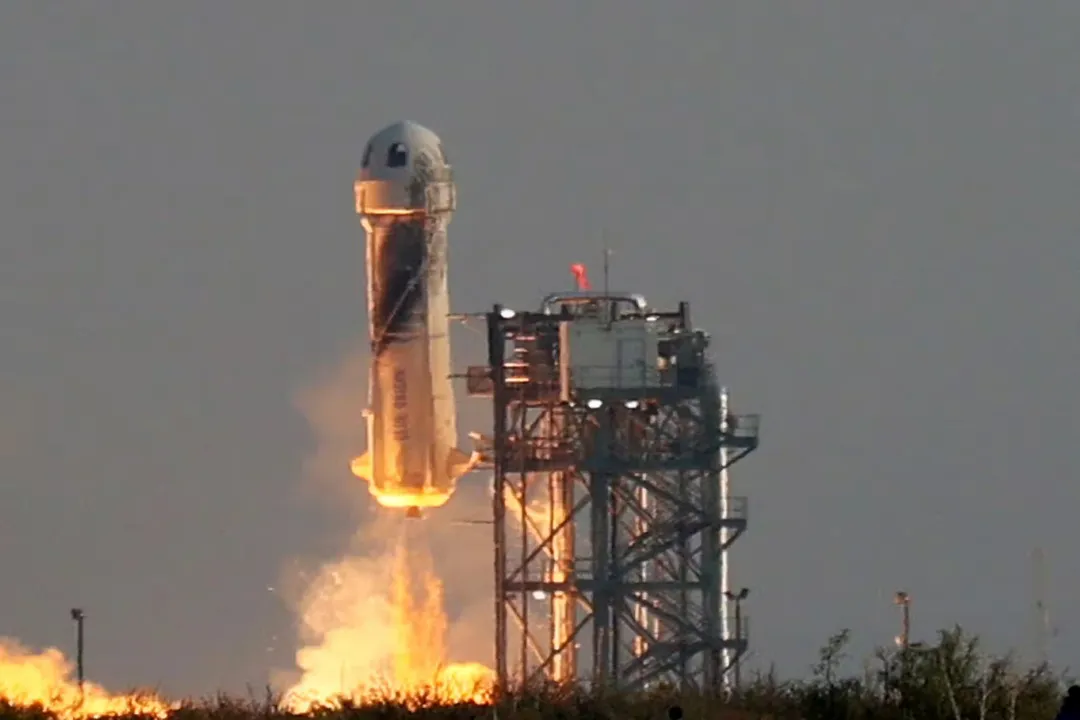
The importance of the first flight’s success cannot be overstated, but true validation in the launch industry always hinges on the subsequent mission. The NG-2 mission, scheduled to carry payloads for NASA, serves as the critical next data point. While the first flight focused on the structural integrity and landing mechanics, the second flight tests the vehicle’s ability to perform under different, perhaps more demanding, mission parameters and payload integration procedures.
The CSIS analysis points out that the immediate importance of the second launch is less about proving that it can fly and more about proving how reliably the entire system—from manufacturing flow to mission execution—can operate. If NG-2 proceeds smoothly, it signals that the anomalies or issues common to first flights have been addressed, moving New Glenn toward its intended operational cadence. This shift from "test article" to "operational vehicle" is the demarcation line between a successful test and a successful program.
This maturation path is not unique to New Glenn. Any new rocket must demonstrate its flight heritage before the most risk-averse customers, like national security agencies, transition from simple technology demonstration missions to high-value national asset deployments. The ability to secure and execute missions like those for the Space Force validates the years of investment in engine development and booster recovery systems.

# Building the Ecosystem
Blue Origin’s approach involves more than just the rocket; it encompasses the entire launch infrastructure and the necessary recovery logistics. The use of the Landing Zone Green vessel for recovery is an essential part of the plan to make the first stage reusable. This maritime recovery system suggests an intentional design choice to accommodate missions that demand trajectories far from the Florida coast, such as those heading toward geosynchronous orbit or beyond.
Think about the operational difference: launching a high-energy mission that requires the booster to travel far east means the final landing point is deep in the Atlantic. Successfully returning that hardware from that distance demonstrates mastery over aerodynamic control across a vast flight envelope. It's akin to a cargo plane captain mastering refueling mid-flight versus simply landing at the home base.
In a comparative sense, while other providers have focused intensely on rapid reuse of their first stage via propulsive landing near the launch site, New Glenn’s initial focus on deep-ocean recovery allows it to potentially maximize payload to orbit while still achieving reuse, albeit perhaps with a longer refurbishment cycle initially. An interesting derivative insight here is the required logistical chain for ocean recovery: it involves specialized recovery crews, tugs, transport vessels, and dedicated refurbishment hangars—a maritime logistics pipeline that contrasts sharply with purely land-based recovery operations. Successfully managing this complex, high-stakes marine operation on the maiden flight is a testament to the team's readiness to handle the stresses of heavy-lift operations.
# Future Trajectory and Customer Confidence
The ultimate success of New Glenn will be judged by its sustained cadence and the diversity of its customer base. While the first launch successfully deployed its primary payload, the manifest for future missions—including commercial satellites and government contracts—will dictate its market footprint. A mature, reliable heavy-lift vehicle provides options for commercial constellations that need to deploy many large satellites simultaneously or for scientific missions requiring insertion into demanding orbits.
When looking at the long-term outlook, one must consider the vehicle's growth potential. The initial configuration sets a high bar, but the architecture must allow for upgrades, perhaps in engine thrust or structural changes for higher performance without requiring a complete redesign, a lesson learned throughout the history of rocketry. If New Glenn can achieve a steady rate of flight, it will begin to establish the necessary flight heritage that builds the trust required by high-value customers. A stable supply of heavy-lift capacity keeps the entire downstream industry—satellite manufacturing, deep space exploration planning, and national security planning—moving forward without the constant threat of launch delays cascading through multi-billion dollar programs. The market needs this capacity; the question now becomes one of execution across the next several flights.
The initial flight represented a monumental engineering accomplishment, particularly the successful capture of the BE-4 engines’ performance during the boost phase and the precision of the landing sequence. However, to be deemed an enduring success, New Glenn must transition from being an impressive demonstrator to a reliable workhorse that operates with predictable scheduling and competitive pricing, thereby broadening the commercial spaceflight market as intended.
#Videos
Bezos' Blue Origin Successfully Lands Booster After Rocket Launch
Related Questions
#Citations
Blue Origin's New Glenn success was a bigger deal than anyone's ...
New Glenn - Wikipedia
Blue Origin lands huge New Glenn rocket booster for 1st time after ...
New Glenn Mission NG-2 - Blue Origin
Bezos' Blue Origin Successfully Lands Booster After Rocket Launch
Blue Origin's New Glenn flight succeeds - Facebook
How Important Is Blue Origin's Second New Glenn Launch? - CSIS
New Glenn Rocket Aces Launch and Landing
Blue Origin's New Glenn rocket landed its booster on a barge at sea