Was the New Glenn launch successful?
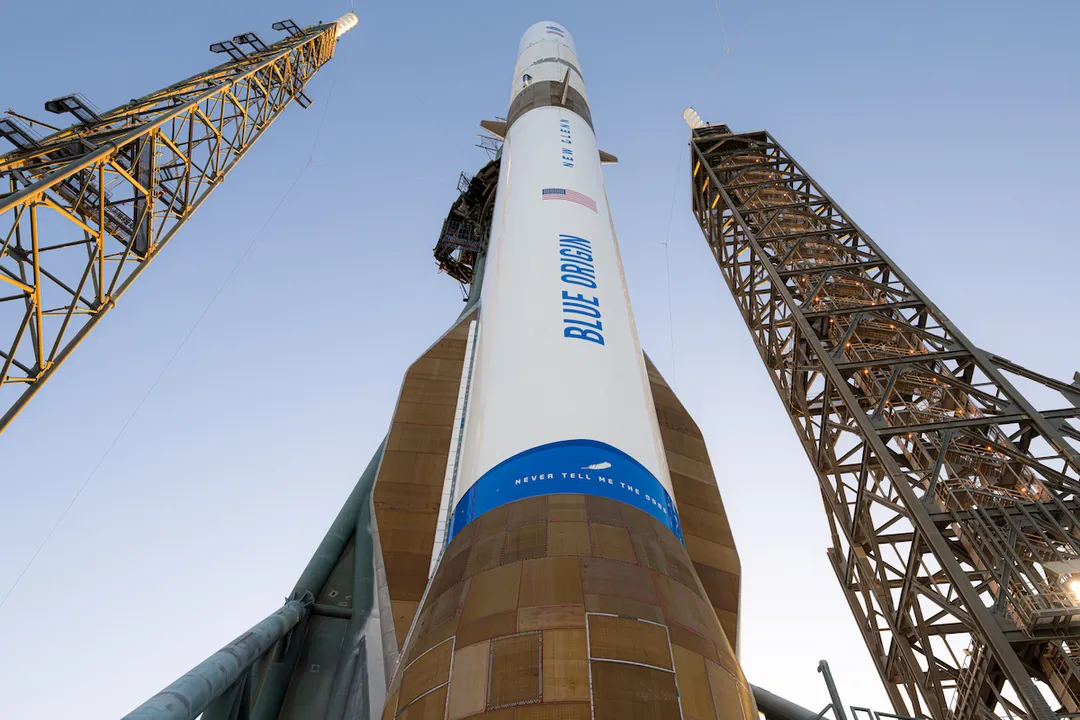
The inaugural flight of Blue Origin’s massive New Glenn rocket has concluded, confirming a major success for the company and signaling a significant shift in the heavy-lift launch landscape. This monumental event marks the culmination of years of development, immediately establishing the vehicle as a serious contender capable of delivering substantial payloads to orbit and beyond. [1][5] For those watching the industry closely, the primary question about this initial mission has been answered with a resounding yes, but the true significance lies in the details of what was achieved and what this means for future access to space.
# Flight Success
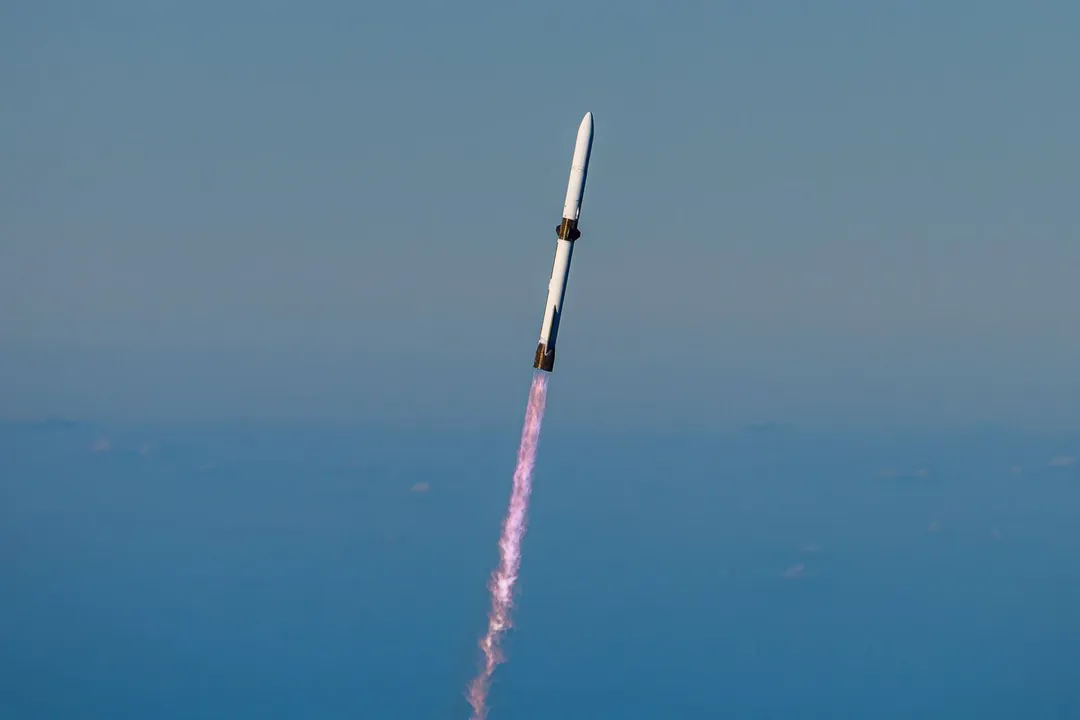
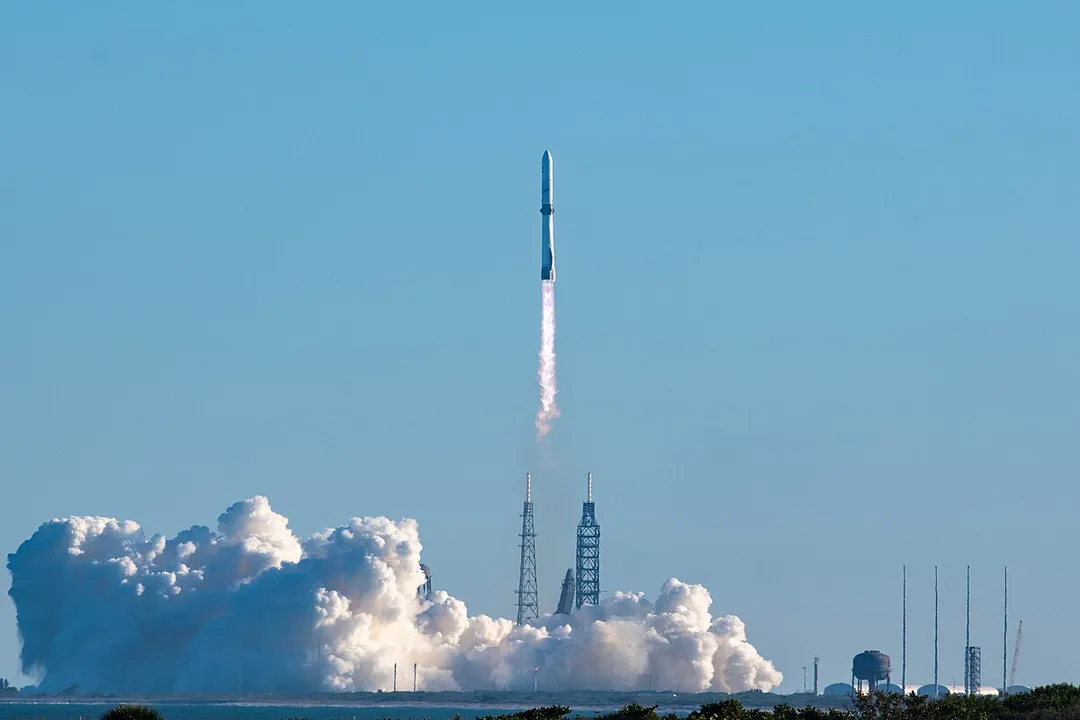
The mission achieved its primary objectives across the board, a rare feat for any new orbital-class vehicle on its debut outing. The massive, stainless-steel-clad rocket lifted off successfully, performing its planned ascent profile perfectly through the initial phases of flight. [1] This initial performance suggests that the BE-4 engines powering the first stage performed to specification under the extreme demands of a first-stage burn, which is often the most critical and technically challenging part of any maiden voyage. [5]
The upper stage also executed its burn successfully, placing the payload, NASA’s ESCAPADE mission, onto its intended trajectory. [1] Successful upper-stage operation is vital, as it confirms the system's ability to function in the vacuum of space after the separation event, which itself is a complex choreography of staging mechanisms and engine ignition timing. The immediate confirmation of orbital insertion capability is the benchmark against which all first flights are judged, and New Glenn met it decisively. [5]
# Booster Landing
Perhaps the most talked-about aspect of the mission, mirroring industry trends over the last decade, was the first-stage recovery. Achieving a soft, controlled landing of the massive first stage is not just a technical flourish; it is an economic necessity for enabling frequent, lower-cost access to space. [8] The New Glenn booster successfully completed its powered descent burn and set down precisely on its designated drone ship stationed in the ocean. [1]
This achievement places New Glenn in an exclusive group of operational super-heavy lift systems capable of reusability. While many observers focus on the fact of the landing, the method and the vehicle's scale offer crucial context. Unlike earlier reusable systems that focused on land landings initially, Blue Origin opted for a sea landing on their first operational mission. [8] This choice is pragmatic; landing on a barge offers more margin for error in terms of trajectory and wind vectors far from populated areas, though it requires a separate recovery operation from the ship. Considering the sheer scale and thrust of the New Glenn's first stage, successfully controlling that descent profile on its very first attempt speaks volumes about the engineering margins built into the design. It demonstrates an early confidence in trajectory control that is impressive for a brand-new rocket, hinting at potentially faster iteration cycles for recovery refinement compared to systems that required significant tweaking after initial successful recoveries. [1]
# Mission Payload
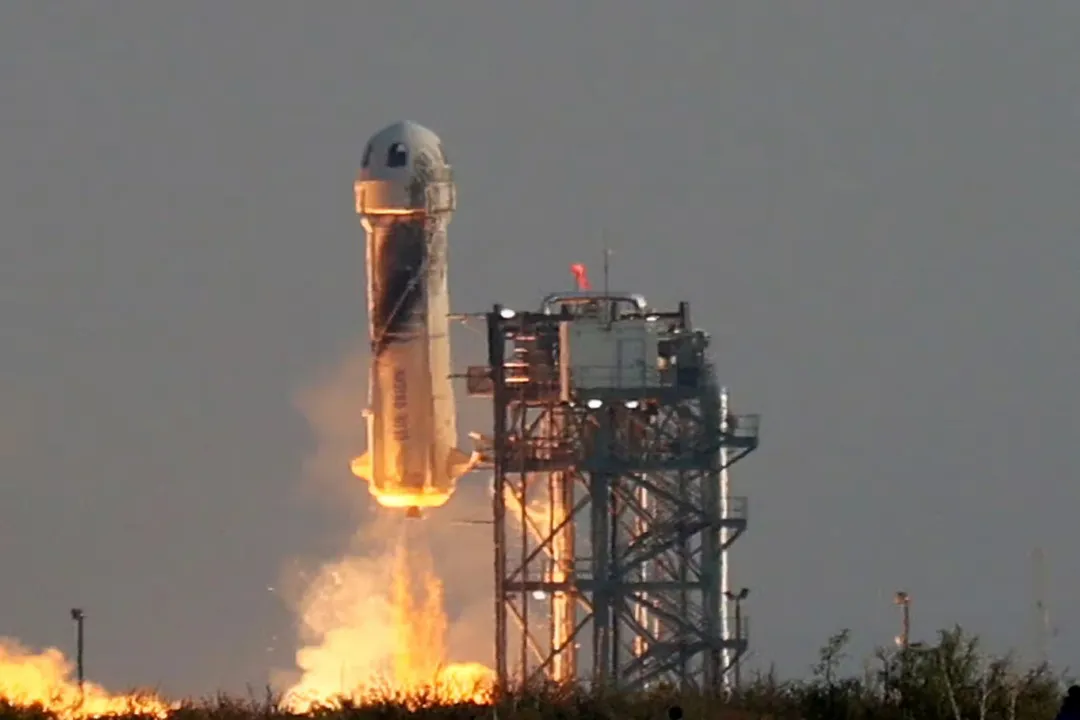
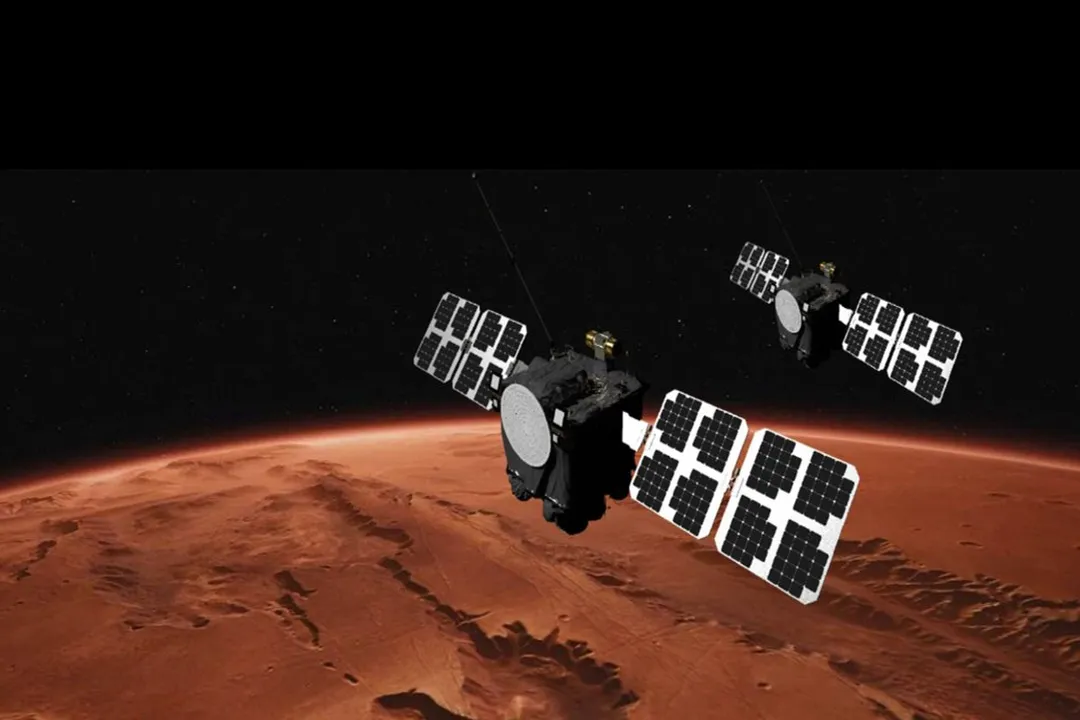
The primary scientific component riding on this historic mission was NASA’s ESCAPADE, a pair of small spacecraft destined for Mars. [1] The successful deployment of the ESCAPADE probes means that Blue Origin is now actively supporting critical national science objectives, even on its inaugural launch. The mission’s goal is to study the Martian atmosphere and its interaction with the solar wind, providing valuable data about planetary evolution. [1]
The selection of a NASA science mission for the maiden flight underscores the trust placed in the new vehicle’s reliability metrics, even before extensive flight heritage is established. For government and commercial customers alike, seeing a new vehicle immediately cleared to carry valuable scientific assets is a strong indicator of perceived safety and mission assurance capabilities. [5] This is a tangible, scientific return on investment from the very first flight, moving beyond just a technology demonstration.
# Market Expansion
The successful debut of New Glenn is set to significantly broaden the commercial spaceflight market, offering substantially increased payload capacity to major orbits. [8] The sheer size of the vehicle means it can accommodate larger, heavier national security payloads or more significant commercial satellite constellations in a single launch than many established competitors currently offer in their standard configurations. [7]
This launch effectively creates a third major player in the ultra-heavy lift category, challenging the established duopoly for lucrative government contracts, particularly those overseen by the U.S. Space Force. [7] The timeline to full operational status is often dictated by certification requirements, which are non-negotiable for high-value national security missions. Blue Origin has indicated they are now "halfway through" the required four-flight certification process necessary to qualify for these critical national security launches. [6] This is a crucial data point for the industry; the first successful flight counts as one, meaning three more successful missions—including booster recovery—are needed before that highly sought-after certification is achieved. [6]
Analyzing the competitive entry point for heavy-lift systems, it is interesting to note how different first-stage recovery strategies impact the immediate path to high-cadence service. While SpaceX perfected land and sea landings over many missions, New Glenn skipped the land landing phase for its debut. [8] If Blue Origin can rapidly iterate their sea recovery hardware and maintain a high success rate across the next three flights, their total time-to-full operational status for NSM missions might prove competitive, even if their initial cadence is slow due to the certification counting method. [6] This suggests that the company’s initial focus might be less on immediate launch frequency and more on proving the integrity of the recovery process required for governmental trust.
# Certification Path
The path forward is clearly defined by the certification schedule. For a rocket to be entrusted with the nation’s most sensitive and high-value satellites, regulatory bodies must see a consistent track record of success, which is why the U.S. Space Force mandates a specific number of successful flights. [7][6] Being halfway through the four-flight tally provides a concrete benchmark for industry watchers to track progress.
This certification phase is a period of intense scrutiny, where every anomaly, no matter how minor, can potentially reset the count or introduce delays. The successful first flight confirms the baseline performance, but the next three are about proving repeatability and robustness under operational stress. It is this demonstrated repeatability that truly lowers the insurance premiums and encourages commercial adoption across the board. [5]
# Future Prospects
With the first flight securely under their belt, the focus shifts to the second orbital mission and continuing the certification stack. The successful deployment of ESCAPADE opens the door for more complex, high-energy missions that require the full performance capabilities of the New Glenn architecture. [1]
The long-term success of a launch provider often hinges not just on the rocket’s size, but on the ancillary services it enables. For instance, if the company can establish a predictable, reliable turnaround for booster refurbishment and rapid re-launch preparation, they will gain a significant advantage in the market. [8] The engineering challenge shifts now from "Can it fly?" to "How fast can we fly it again?" and "How much cheaper can we make the next flight?". [5] The hardware itself—the massive stainless steel structure—is designed for longevity, which should theoretically support a higher flight rate over the vehicle’s lifespan, a key component in driving down the per-kilogram-to-orbit cost for their customers. [3] The successful initial flight ensures that this long-term vision remains firmly on the table for the next decade of space access.
#Videos
Bezos' Blue Origin Successfully Lands Booster After Rocket Launch
Related Questions
#Citations
New Glenn Launches NASA's ESCAPADE, Lands Fully Reusable ...
New Glenn - Wikipedia
Blue Origin's New Glenn success was a bigger deal than anyone's ...
Bezos' Blue Origin Successfully Lands Booster After Rocket Launch
5 reasons why Blue Origin's New Glenn Mars launch was a big deal
Blue Origin halfway through 4-flight certification to allow launch of ...
New Glenn Rocket Aces Launch and Landing
Blue Origin's New Glenn rocket landed its booster on a barge at sea
Blue Origin's New Glenn flight succeeds - Facebook