Why does SpaceX launch the ISRO satellite?
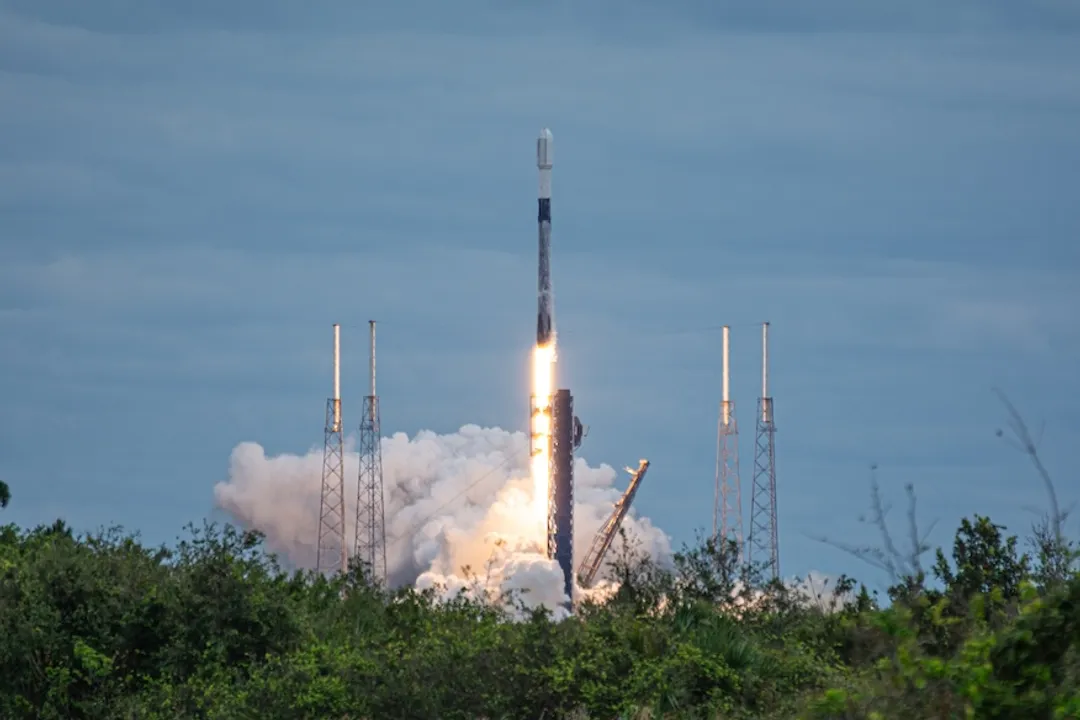
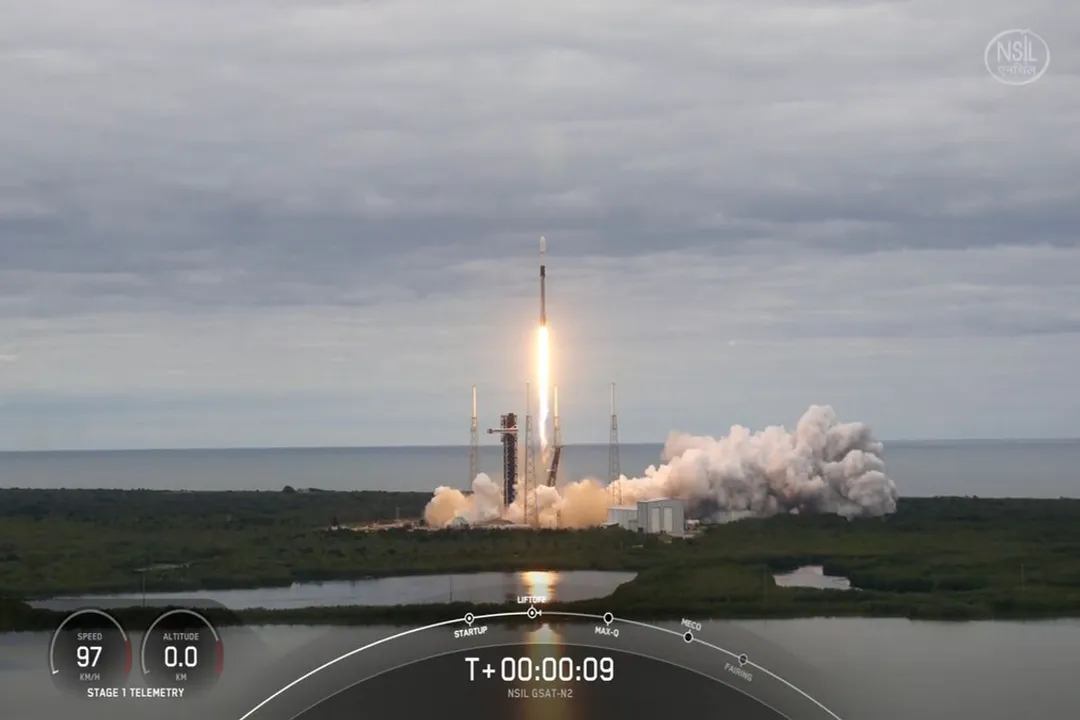
The fact that Elon Musk’s SpaceX is responsible for launching a satellite developed by the Indian Space Research Organisation (ISRO) represents a notable shift in India’s approach to accessing space. This particular mission involved launching the GSAT-N2 communications satellite aboard a Falcon 9 rocket from Cape Canaveral. [1][6] This event is significant as it marks the first time ISRO has contracted a launch service from the American commercial space giant. [7]
# Mission Specifics
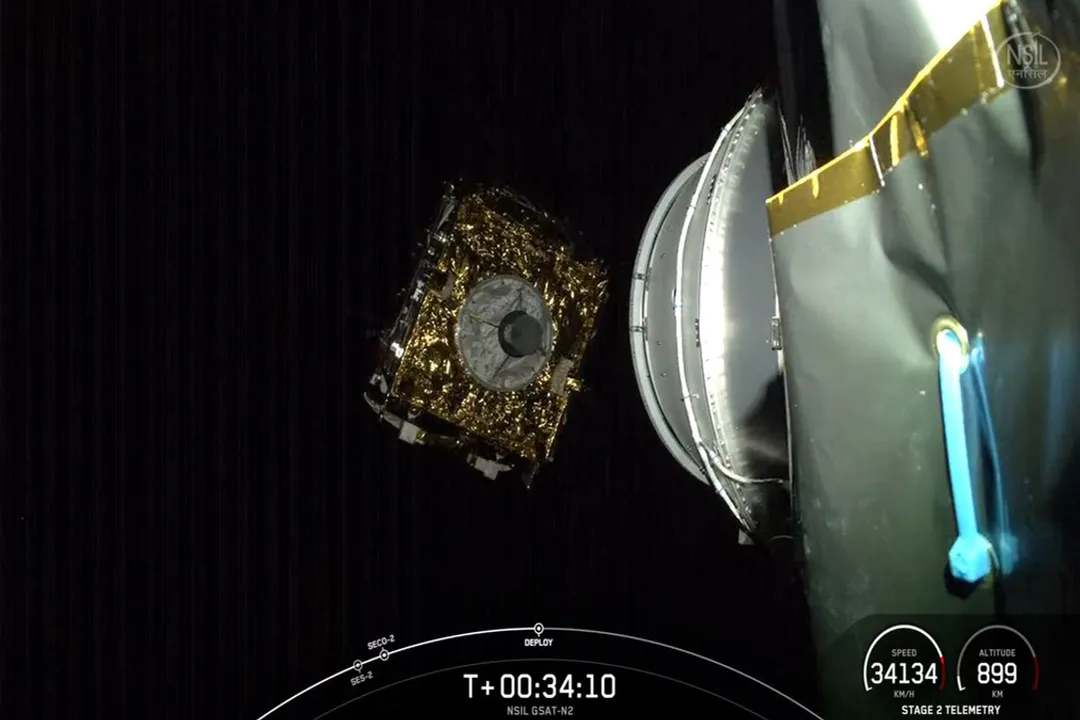
The satellite in question, GSAT-N2, is an Indian communications satellite. [1] Its placement into orbit was entrusted to the Falcon 9, a workhorse vehicle renowned for its high reliability and frequent launch cadence. [6] The launch took place from the United States, originating from Cape Canaveral. [6] While ISRO possesses its own heavy-lift launch vehicle, the Launch Vehicle Mark-3 (LVM3), formerly known as the Geosynchronous Satellite Launch Vehicle Mark III (GSLV Mk III), the decision was made to procure a ride from SpaceX for this specific payload. [5]
# Capacity Constraints
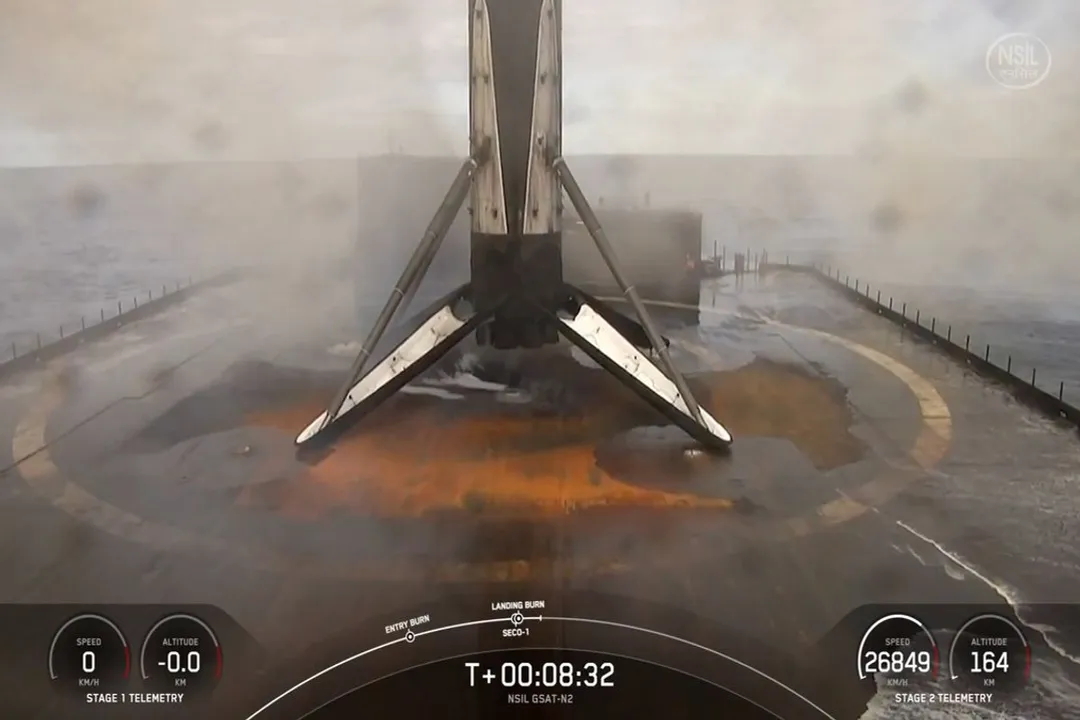
The primary underlying reason for looking outside ISRO’s dedicated fleet often boils down to managing launch slot availability versus escalating national demand. [8] ISRO's domestic launch vehicles are in high demand, not just for national projects but also for commercial endeavors managed through its commercial arm, NewSpace India Limited (NSIL). [5] Every launch slot on an LVM3 is a valuable, finite resource. [8]
When a national satellite like GSAT-N2 requires placement into geostationary orbit, the time it takes to secure a launch can be critical, depending on the satellite's operational readiness and mission timelines. [5] If the wait time for an ISRO launch exceeds acceptable parameters, outsourcing becomes the logical alternative. [8] This situation reflects a broader trend where Indian space firms are increasingly willing to pay external providers for launch services instead of waiting for domestic slots. [8]
# Rocket Appeal
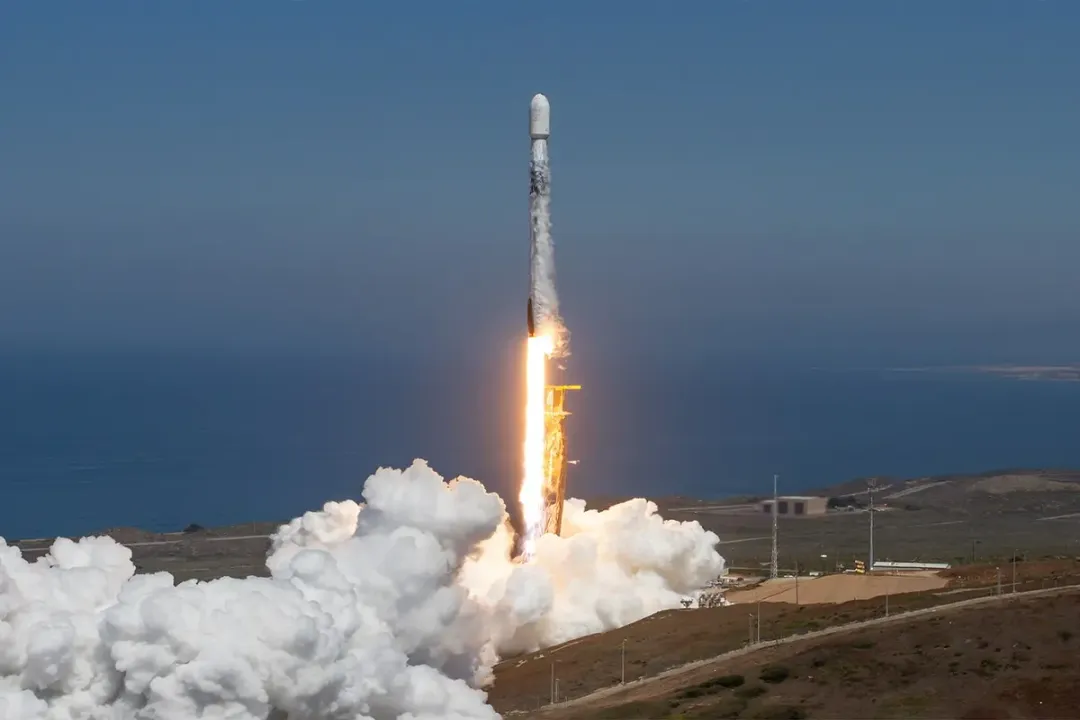
SpaceX’s Falcon 9 offers distinct commercial advantages that appeal to a wide range of global customers, including ISRO for this mission. [8] The rocket is known for its high flight rate—launching far more frequently than most other orbital-class vehicles globally. [6] This rapid turnaround translates directly into schedule certainty for the customer.
A key consideration for any national space agency or affiliated commercial entity when choosing a launch provider is balancing cost against certainty. While the exact financial terms of the GSAT-N2 contract are proprietary, outsourcing a mission to SpaceX generally secures a launch within a much tighter, pre-agreed timeframe compared to navigating the domestic backlog. For a satellite designed for communications infrastructure, where timely deployment can affect service rollout, avoiding schedule slippage is often worth a premium cost. [8] In essence, ISRO is trading direct control over the launch vehicle for guaranteed, rapid access to space.
If an ISRO rocket slot—which might be needed for a more strategically sensitive mission, such as a planetary probe or a critical national security satellite—can be reserved for that priority asset by sending a standard communications satellite like GSAT-N2 abroad, the overall national launch portfolio benefits from optimized scheduling. This means the expensive, domestically built LVM3 is freed up to perform missions where using an indigenous booster is mandatory or highly preferred for strategic reasons.
# Market Influence
The choice to use SpaceX highlights the maturation of India’s space sector, moving toward viewing launch services as a competitive global commodity rather than solely a government-controlled monopoly. [8] As Indian private space companies begin developing their own payloads, they too will face the same calculus of choosing between domestic capacity, which is limited, and established, high-cadence international providers. [8]
While ISRO's own launch costs are often heavily subsidized or managed internally, commercial market rates apply when contracting with entities like SpaceX. [8] If we observe that standard Falcon 9 dedicated launches typically fall within a certain commercial price bracket, the decision to procure that service over an ISRO slot reveals a calculated economic trade-off. The cost of waiting—the opportunity cost associated with delayed service revenue or national preparedness—becomes the deciding factor, suggesting that for this specific GSAT mission, the time saved by using the established, high-throughput Falcon 9 outweighed the potential cost savings of waiting for an LVM3 slot. [5] This preference indicates that for many routine, high-value satellite deployments, speed and reliability are currently outweighing the imperative to always use indigenous launch systems.
#Videos
Why Elon Musk's SpaceX Launched ISRO's GSAT-N2 Satellite Into ...
A New Era in Space Collaboration, ISRO's GSAT-N2 and SpaceX
Related Questions
#Citations
Here's Why Elon Musk's SpaceX Steps In To Launch India's ... - NDTV
Why Elon Musk's SpaceX Launched ISRO's GSAT-N2 Satellite Into ...
Why ISRO chose Elon Musk-owned SpaceX for GSAT satellite launch
GSAT-20 - Wikipedia
Why will Elon Musk's SpaceX launch India's GSAT-N2 satellite ...
SpaceX launches India's GSAT-N2 satellite on Falcon 9 rocket from ...
SpaceX launches heavy satellite in 1st mission for India's space ...
Why are Indian firms picking, paying SpaceX over ISRO to launch ...