Where did the SpaceX debris fall?
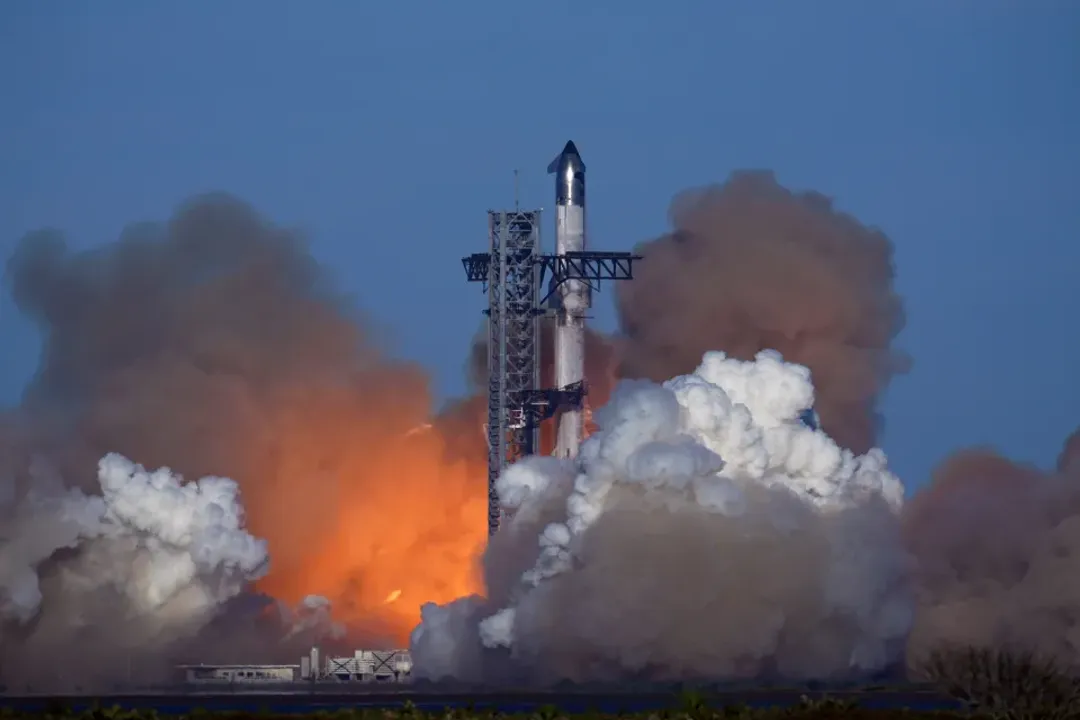
The descent of large rocket components back toward Earth is a spectacle always accompanied by questions about where exactly those pieces finally land. When a massive vehicle like SpaceX’s Starship experiences a failure during testing, the resulting debris doesn't always vanish neatly into the designated ocean recovery zone. Instead, the remnants of these high-energy events can scatter across wider areas, prompting concern and sometimes leading to unexpected discoveries on land and in international waters. [5]
# Debris Locations
The most recent, high-profile incidents involving Starship’s massive booster stage have provided clear geographical data on where fragments ultimately settled. Following a particular test flight, pieces of the rocket were confirmed to have landed far beyond the intended oceanic splashdown area. Specifically, debris from the launch was found littering islands in the Turks and Caicos. [9] While initial trajectory predictions aim for remote ocean areas, the reality of atmospheric breakup means that lighter or highly aerodynamic pieces can drift significantly before impacting the surface. [2]
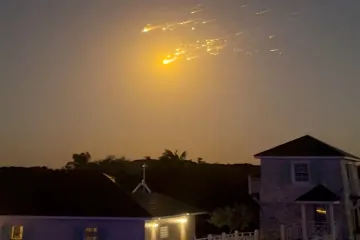
Footage and reports from the time of the event confirmed that fiery debris was seen raining from the sky following the loss of the Starship vehicle during its latest flight attempt. [5] In addition to the confirmed impacts in the Caribbean region, there were also reports and visual evidence suggesting debris might have fallen closer to the US mainland. Videos surfaced showing what appeared to be pieces of the Starship debris in the skies over South Florida, indicating the potential scatter pattern reached the continental shelf and nearby populated areas. [8] Analyzing maps created from these incidents helps visualize the actual debris footprint, which often extends much further downrange than predicted by simple ballistic models. [2]
# Satellite Separation
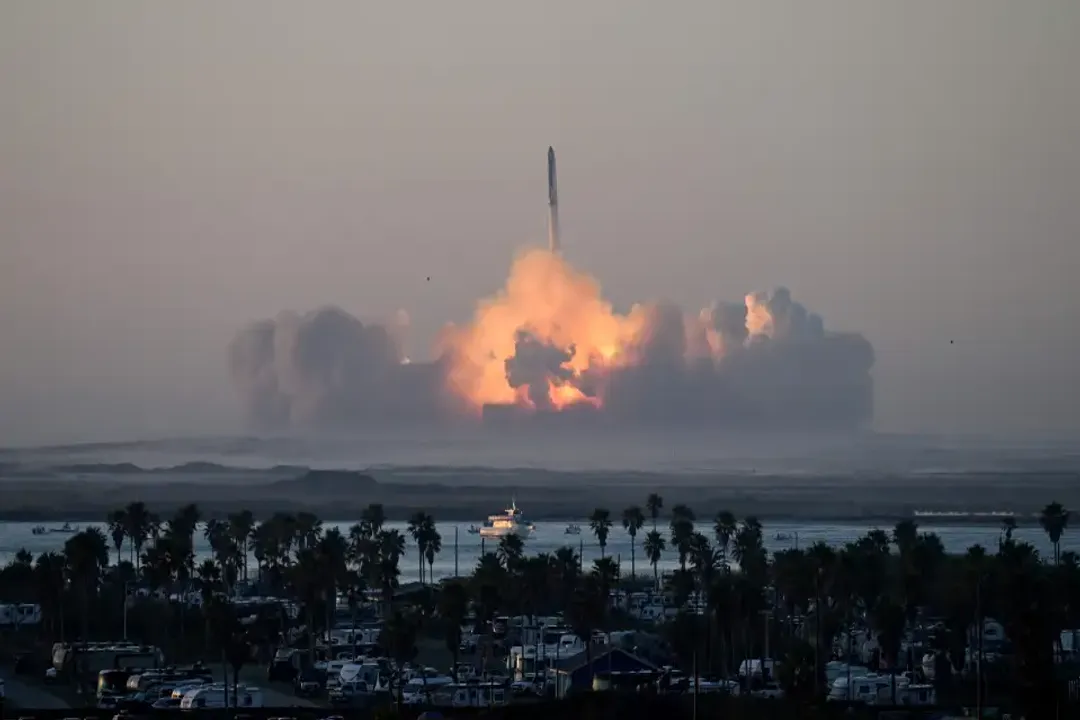
It is important to distinguish between the debris from the massive Starship tests and pieces from SpaceX’s much smaller, operational satellite constellation. Not all falling debris comes from experimental vehicles breaking up on re-entry. In a separate orbital incident, a fully operational SpaceX Starlink satellite began tumbling unexpectedly in space. [3] This particular satellite, after failing to reach its operational orbit, entered a death spiral that led to its controlled or uncontrolled demise as it passed through the upper layers of the atmosphere. [3] Though Starlink satellites are designed to de-orbit safely, failures do occur, leading to smaller, less spectacular, but still present, falling space junk. [3]
# Flight Safety
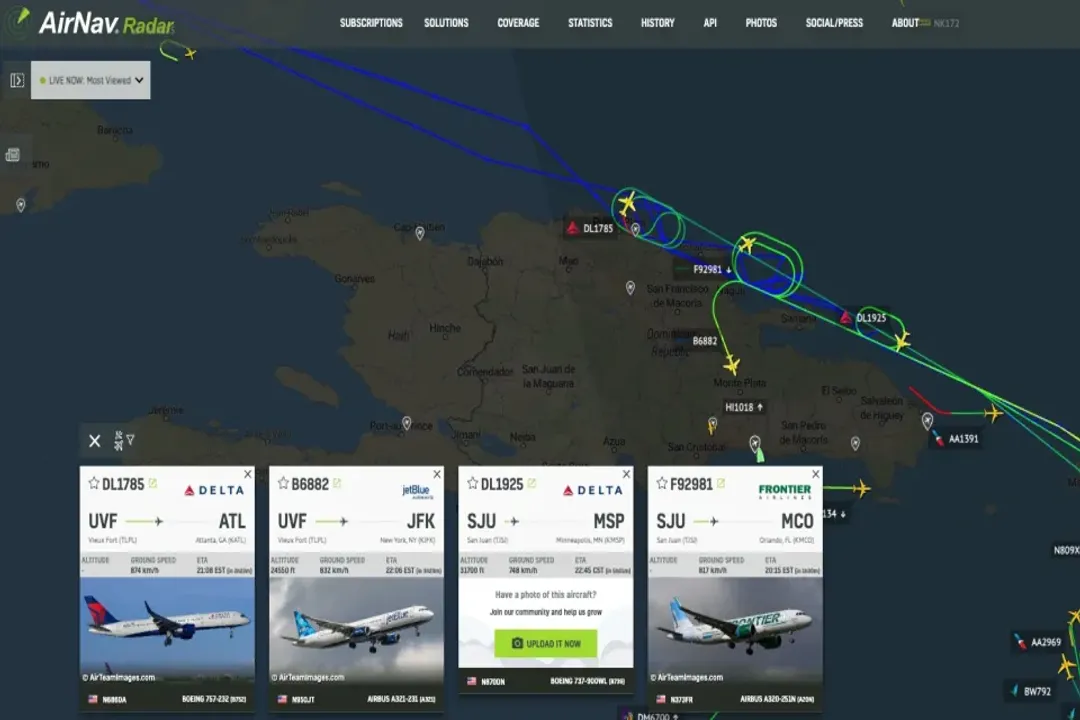
The sheer energy involved in the breakup of a vehicle like Starship, even over the ocean, raises significant secondary concerns, particularly regarding air traffic. When a rocket explodes or breaks apart high above the ocean, the resulting debris field—even if mostly comprised of smaller fragments—can present a hazard to commercial aviation that happens to be transiting those regions. [7] Reports following such an event often highlight the potential risk to passenger planes, emphasizing the need for extensive airspace closures around launch and predicted re-entry corridors. [6] The public visibility of fiery debris raining down often underscores the power involved and the necessity of maintaining wide exclusion zones, which can temporarily disrupt flight paths. [7]
# Tracking Challenges
One fundamental difficulty in answering exactly where debris falls lies in the difference between predictive modeling and post-event recovery. While SpaceX utilizes sophisticated telemetry to track the vehicle's status throughout the flight, when a catastrophic breakup occurs, the exact size, shape, and subsequent aerodynamic behavior of every single fragment become impossible to model perfectly in real time. [2] The official mission control projections are based on the trajectory of the main mass center. However, the actual impact zone is a statistical scatter pattern around that predicted point. [2] This means that while debris is expected in a specific swath of ocean, confirmation of pieces washing ashore hundreds of miles away requires local reports, visual confirmation, and often, subsequent debris recovery efforts, which are not always publicized for every piece. [9]
It is worth noting that the composition of the debris itself plays a key role in its dispersion pattern. Larger, denser components will follow trajectories closer to the initial projections, likely impacting deep in the designated splash zone. Conversely, lighter components, such as fairing material or non-structural parts, experience greater atmospheric drag and wind sheer, allowing them to be carried further downrange by prevailing high-altitude winds before they reach the surface. This variability explains why debris can be found not just in the main impact zone, but also dispersed across hundreds of square miles, sometimes reaching inhabited islands like those in the Turks and Caicos chain. [9]
# Local Realities
For communities near the predicted impact areas, even an expected event carries local implications. When debris from a major rocket test lands on populated islands, even uninhabited sections, it creates an immediate management issue. Authorities in places like the Turks and Caicos are then responsible for documenting, securing, and reporting the location of potentially hazardous or foreign material that has suddenly appeared in their jurisdiction. [9] This places an unexpected burden on local environmental and security services to manage material that originated hundreds of miles away during a private company's test. [9]
When considering future test scenarios, the actual debris footprint observed during these initial Starship flights provides invaluable, if harsh, real-world data that engineers will incorporate into revised trajectory calculations. Every piece that lands outside the primary target zone serves as a calibration point for future atmospheric modeling. The scatter pattern observed, from the initial fiery descent seen on social media feeds [5] to the confirmed island finds, allows SpaceX and regulatory bodies to refine the required dimensions of the downrange exclusion zone for subsequent flights, ensuring that future orbital hardware failures result in less environmental or terrestrial intrusion. [2][7] This iterative process, where debris location informs future safety parameters, is a necessary, if messy, part of developing heavy-lift launch systems.
#Videos
Several people in the Bahamas witness debris from SpaceX ...
Related Questions
#Citations
SpaceX rocket explodes, raining debris from sky for second time in a ...
Map Shows Where Starship Rocket Debris Fell - SpaceX - Newsweek
A SpaceX Starlink satellite is tumbling and falling out of space after ...
Several people in the Bahamas witness debris from SpaceX ...
New videos show debris streaking across the sky after Elon Musk's ...
The SpaceX Explosion That Put Flights in Danger - WSJ
SpaceX rocket explosion put three passenger planes at 'extreme ...
Videos appear to show SpaceX Starship debris in South Florida skies
SpaceX Starship debris littered islands, Turks and Caicos officials say