How does SpaceX recover boosters?
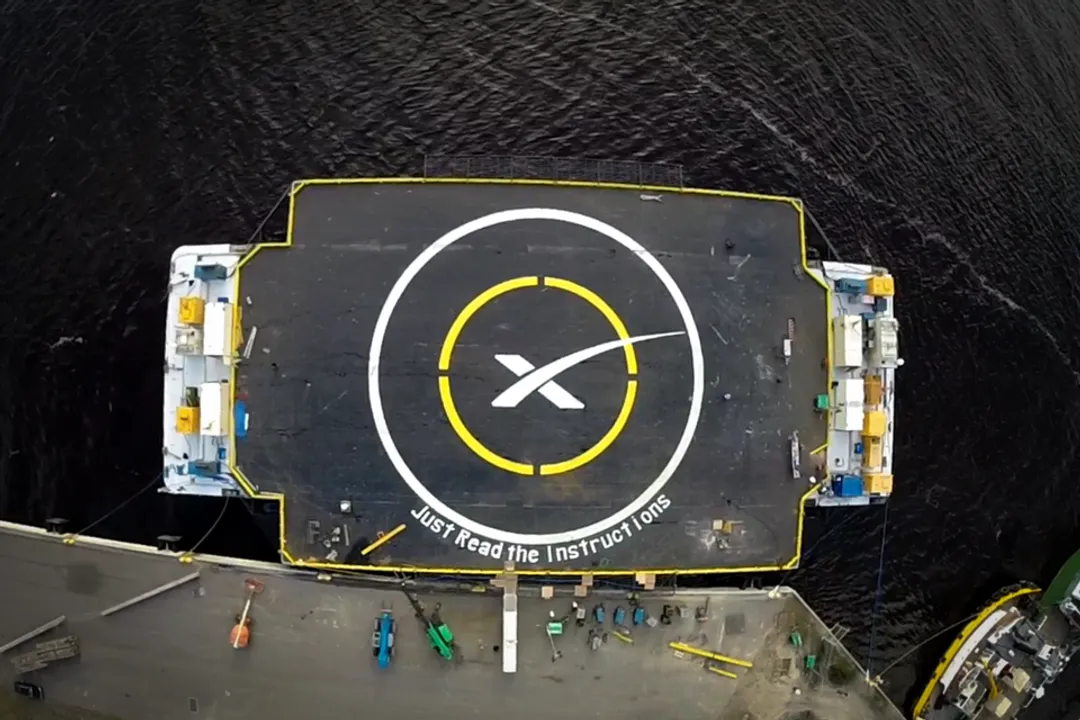
The concept of rapid, full reusability in rocketry has long been the holy grail for making space access dramatically cheaper, and SpaceX’s Starship program is centered entirely on achieving this goal with its two stages: the Super Heavy first stage booster and the Starship upper stage. Unlike previous generations of reusable rockets, where only the first stage returned, the Starship system aims to recover and reuse both components repeatedly. This ambition necessitates engineering solutions for recovery that are fundamentally different from the successful but splashdown-centric methods used for the Falcon 9, creating a dynamic and highly visible development process on the Texas coast.
# System Evolution
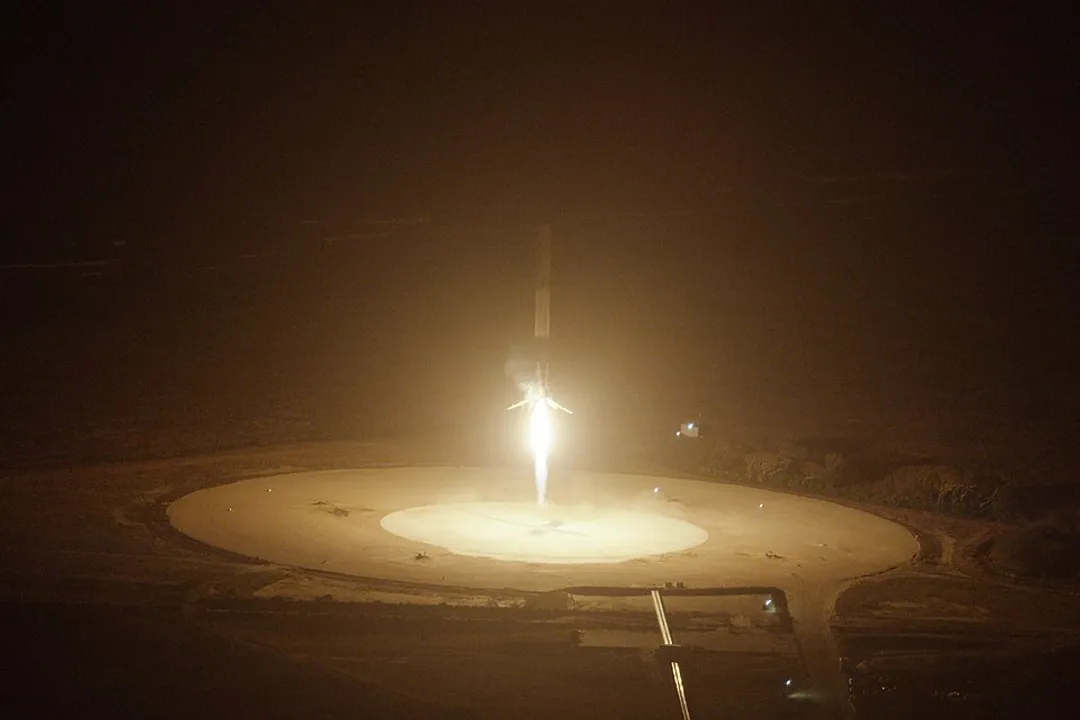
SpaceX’s journey toward full reusability began with the Falcon 9 and Falcon Heavy boosters, which successfully demonstrated propulsive vertical landing on land or on autonomous droneships at sea. This initial success proved the core principles of controlled, powered descent using the rocket's own engines. The development program for reusable launch systems has been continuous, building upon the lessons learned from these earlier boosters. However, the Starship Super Heavy booster is significantly larger and relies on a novel recovery method intended to be much faster and less stressful on the hardware than simply landing on a pad. The decision to move toward an in-air catch rather than a traditional ground landing for the Super Heavy booster represents a calculated engineering trade-off, prioritizing rapid turnaround over immediate landing pad accessibility.
# Recovery Decisions
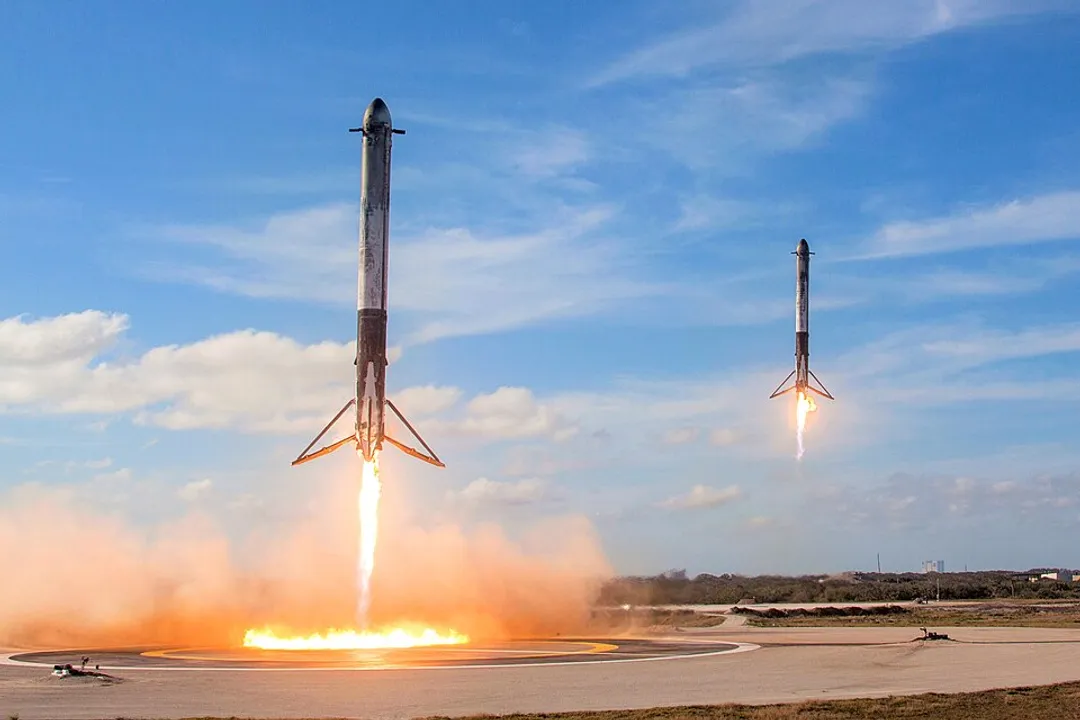
The question of how a booster will be recovered—whether it lands on land or in the ocean—is determined early in the mission profile, based on various factors including the specific mission requirements and the testing objectives at the time. For Starship testing, especially during the early integrated flight tests (IFTs), the primary goal is often data acquisition, which can sometimes mean deliberately targeting an ocean splashdown. If a specific mission requires a very high orbital inclination or is launching from a location where an ocean landing zone is the only safe option, the booster will be programmed for a controlled ditching. Conversely, if the flight profile allows and the launch site is situated appropriately, the objective shifts to landing back near the launch complex, which promises the fastest path to refurbishment and reuse.
For test flights, SpaceX might opt not to recover the booster if the flight test objectives prioritize gathering data on atmospheric reentry or staging events over hardware preservation. This approach allows engineers to push the limits of the vehicle without the immediate concern of ensuring a perfectly intact booster returns, effectively treating certain test flights as necessary, controlled demolitions to advance the overall design.
# Ocean Ditching
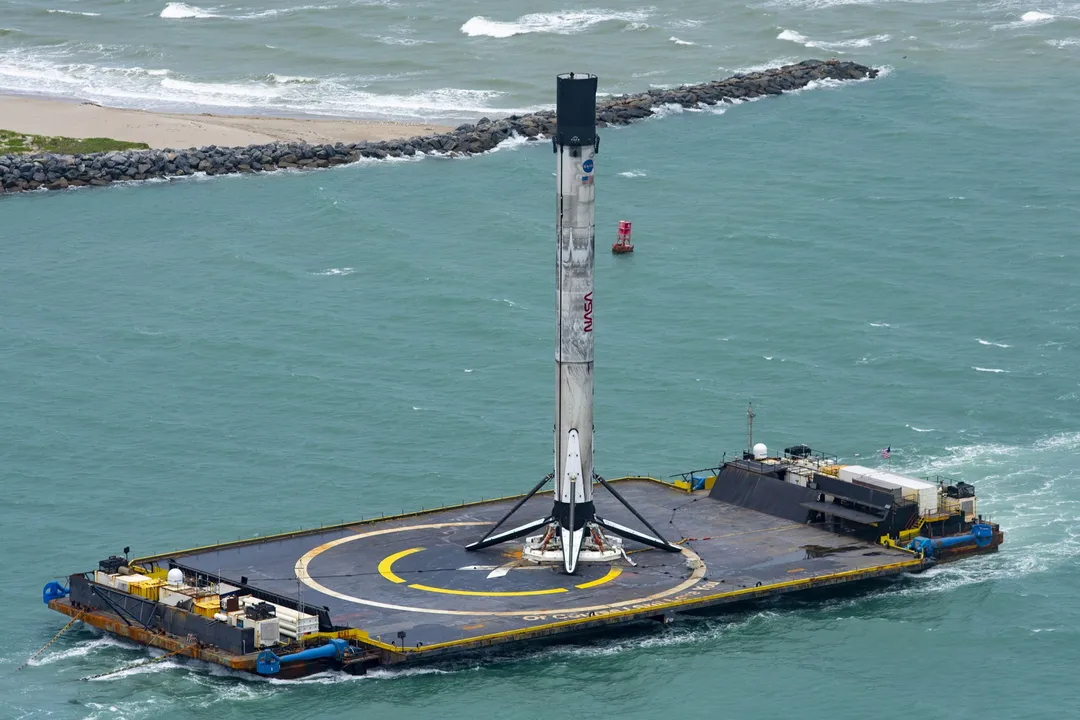
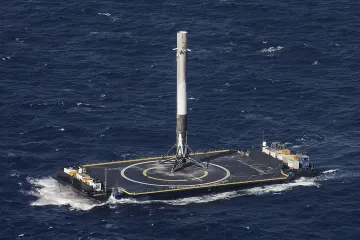
When a Super Heavy booster is intentionally targeted for an ocean landing, the process is more akin to a controlled ditch than the precise landings seen on land. Once the booster completes its boost phase and separates from the Starship upper stage, it performs the necessary engine burns to decelerate and orient itself for reentry and splashdown. The vehicle is designed to survive this impact, even though it results in a non-recoverable state for the booster itself.
After impacting the ocean surface, the booster will typically float for a period. However, SpaceX does not actively retrieve these boosters from the sea, as they are generally considered expended after an intentional splashdown. The Facebook post regarding ocean landings highlights that these procedures are part of the testing regimen, and following impact, the booster is left to sink or be scrapped; the emphasis is on successful separation and descent data collection, not salvage. This contrasts sharply with the procedures for the Falcon 9 first stage, where recovery from a drone ship is a standard, high-priority operational step.
# Land Catch Mechanics
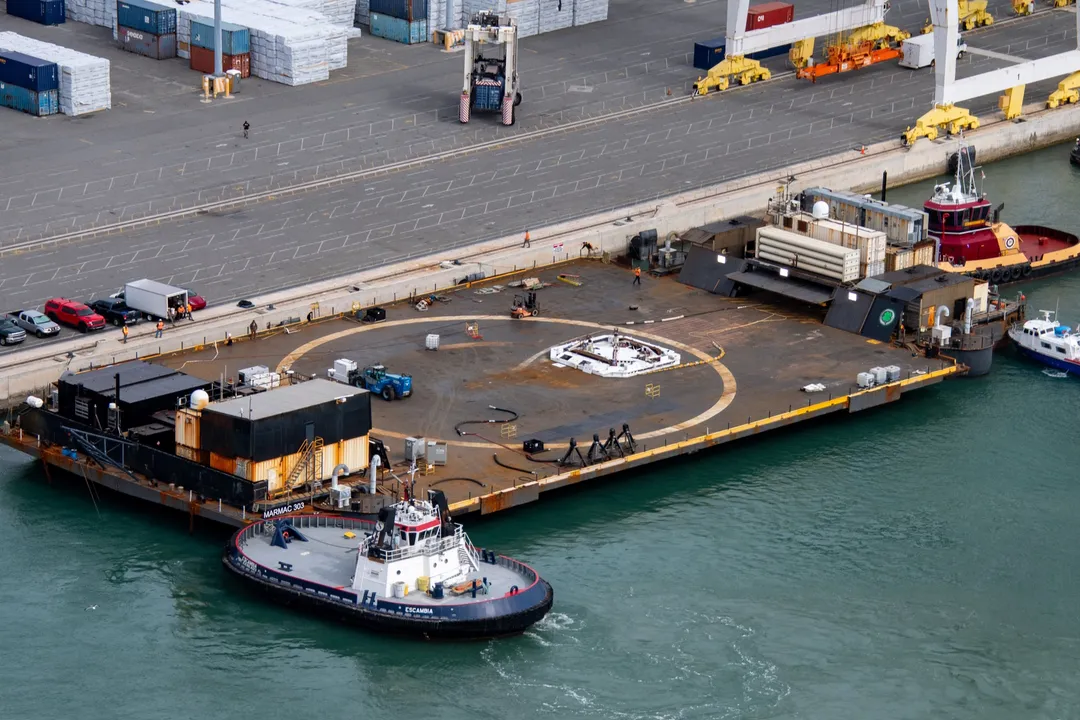
The most technologically ambitious recovery method involves catching the Super Heavy booster mid-air just above the launch pad using the structures informally known as "Mechazilla". This method is designed to minimize the time and stress associated with conventional landing burns.
The entire choreography involves several critical, precisely timed steps:
- Flip Maneuver: After stage separation, the Super Heavy booster fires three of its Raptor engines to begin its return trajectory. As it approaches the launch site, it executes a complex boostback burn and then pitches over, preparing for the final landing sequence.
- Reentry and Grid Fins: The booster utilizes its grid fins to control its orientation and trajectory during the descent through the atmosphere. These fins, large, lattice-like structures, allow for precise aerodynamic control.
- Landing Burn Initiation: Just before reaching the pad, the booster reignites several Raptor engines (often three, similar to the initial flip burn) to slow its vertical velocity to near zero.
This is where the core innovation lies: instead of settling onto its own landing legs, the booster slows down enough to be effectively caught. The two massive mechanical arms, which are part of the launch tower infrastructure, swing out to grasp the booster. This is an incredibly precise operation, requiring the booster to be within inches of the arms at the exact moment they close. Once securely held by the arms, the engines are shut down, and the booster is gently placed onto the launch mount, ready for inspection and eventual reuse.
This aerial catch technique is far more demanding than simply landing on legs. Landing legs absorb the final shock of touchdown, but the catch requires the entire tower structure to manage the significant residual momentum of the vehicle. The sheer mechanical requirement to grip a vehicle weighing thousands of tons while it is still descending rapidly requires immense structural integrity in the launch tower itself.
An interesting engineering consideration here is the duration of the catch itself. While the Falcon 9 lands on legs after a final burn, bringing its descent velocity to near zero over seconds, the Starship catch aims to transition that vertical momentum directly into the mechanical structure of the tower. If the booster’s final braking burn is slightly under-powered, the arms must absorb more kinetic energy; if it is over-powered, the arms might have to actively push the booster down slightly or risk being pulled upward unexpectedly. This demands extremely accurate engine throttling control during the final seconds of descent.

# Data Integration and Testing
The transition from theoretical design to operational recovery hinges on collecting massive amounts of flight data from every test. Every aspect of the recovery—from the grid fin performance to the precise timing of the boostback burn and the final engine throttle settings—is scrutinized.
The success of the landing sequence is measured not just by whether the booster remains intact, but by how cleanly it performs the maneuver. A clean catch means less residual stress on the airframe and mounting points, leading to a quicker inspection cycle and, crucially, a faster turnaround time between flights. This focus on rapid reuse distinguishes the Starship program from prior reusable efforts. While Falcon 9 refurbishment could take weeks or months initially, the goal for Starship is to achieve turnaround times measured in days, enabled by the high-precision, low-stress catch system.
If we look purely at the energy management, the difference between a leg landing and a catch landing offers a perspective on engineering elegance. A leg landing dissipates the final velocity component into the ground via crushable structures or hydraulic damping within the legs, which are designed to deform and sacrifice themselves slightly upon impact. The catch system, by contrast, transfers that energy into the fixed mass of the launch tower, which has been engineered to act as the ultimate, rigid shock absorber for the booster, provided the booster arrives within its tight positional tolerance envelope.
# Ocean Impact Consequences
While ocean landings are often treated as failures in the pursuit of rapid reuse, they are sometimes deliberate stages in the testing process for the Super Heavy booster. When a Super Heavy booster executes an intentional ocean landing, its ultimate fate is generally terminal, at least in the short term for that specific vehicle. The sheer force of impacting the ocean surface, even if controlled to some extent, is not compatible with the rapid refurbishment cycle SpaceX desires for operational flights.
These "splashes" serve several essential purposes:
- They test the vehicle's structural integrity during atmospheric reentry when returning from space.
- They validate the accuracy of the navigation and guidance systems for the downrange landing target.
- They provide crucial data on the booster’s behavior during the three-engine landing burn from a very high altitude profile.
Once the booster hits the water, it is typically left there, as the recovery effort to salvage a water-logged, potentially damaged booster is not justified when the primary goal was flight data, not hardware preservation. This is a key difference from the Falcon 9 program, where droneships were engineered specifically to cradle and receive boosters coming in from routine, sub-orbital recovery attempts.
The commitment to developing the catch mechanism over relying solely on legs is evidence of SpaceX’s calculated pursuit of cost reduction. While legs are simpler and more reliable for a single successful landing, they add weight and complexity that might hinder the booster's performance on its primary ascent mission. The catch method sheds that mass while promising far greater reuse frequency, which is the true driver of lower launch costs.
# The Role of Starship Itself
It is important to remember that recovery planning doesn't end with the Super Heavy booster; the Starship upper stage must also be recovered for full system reusability. While the initial test flights involved Starship flying downrange and splashing into the ocean, the long-term vision requires the Starship vehicle to perform a similar, though even more complex, belly-flop maneuver followed by a flip and propulsive landing, often back at the launch site. The data gathered from Super Heavy's controlled descent aids in refining the overall sequence for the entire stack. The ultimate goal involves both stages landing back near where they launched, allowing for an extremely quick operational tempo. This system is unlike any previous design, moving away from discarding major hardware components entirely.
The sheer scale of the Super Heavy booster—the largest component to ever attempt propulsive return—magnifies every variable in the landing equation. The control authority provided by the grid fins during the supersonic phase and the precision required for the final hover-slam or catch maneuver are testament to years of iterative design changes based on observed flight dynamics. Every test flight, whether it results in a perfect catch or an ocean impact, provides essential, irreplaceable information that feeds back into the next iteration of the design, driving the system closer to its high-cadence operational goal. This continuous loop of build, test, fail, learn, and rebuild is the operational signature of the Starship development program.
#Videos
How Does SpaceX Recover and Reuse Falcon 9? - YouTube
SpaceX's Starship Launch and Recovery of Super Heavy Booster ...
How SpaceX's Booster Recovery Droneships SHOCKED ... - YouTube
How SpaceX Starship Booster Heavy Recovery Shocked the whole ...
Related Questions
#Citations
How does SpaceX get back Starship and Super Heavy Booster if it ...
How Does SpaceX Recover and Reuse Falcon 9? - YouTube
Ever wondered what happens to a Starship booster after it lands in ...
Booster Recovery - spaceOFFSHORE
Launch tower's 'chopsticks' catch descending rocket booster as ...
SpaceX reusable launch system development program - Wikipedia
How does SpaceX decide whether or not to recover a rocket booster?