How much does SpaceX pay astronomers?
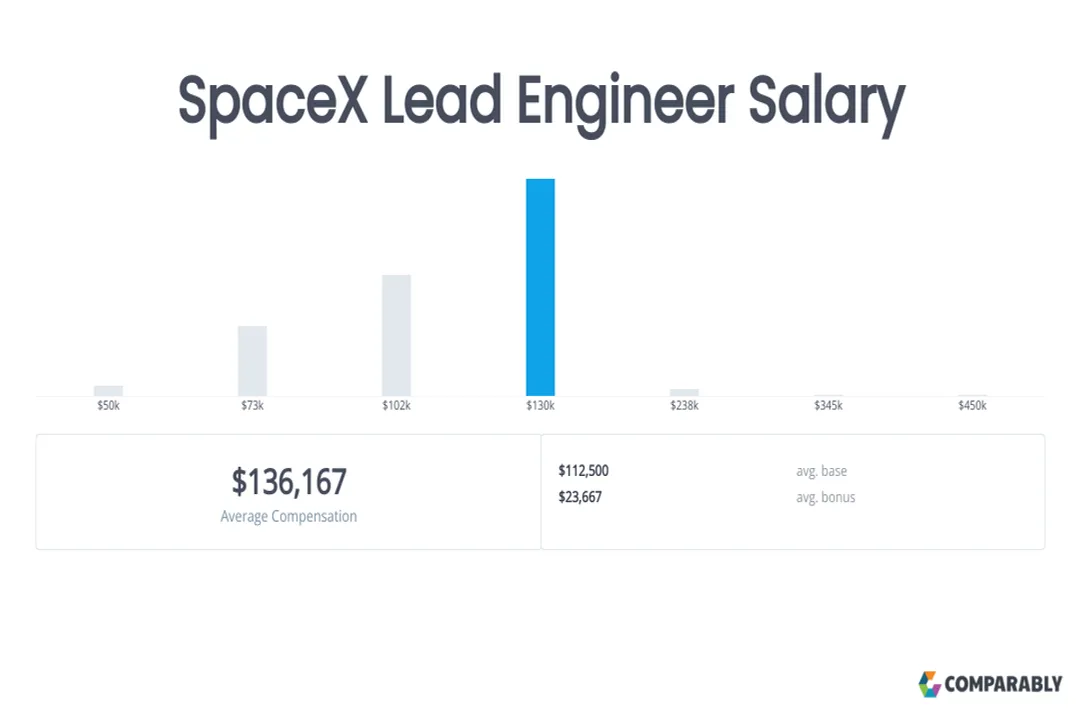
Pinpointing the exact compensation for an astronomer working at SpaceX proves complex when relying on publicly aggregated data, a common challenge when researching pay at privately held, high-growth technology firms. Unlike government agencies where pay scales are transparent, a company like SpaceX guards specific role compensation details closely. Therefore, understanding the pay for an astronomer requires looking at the broader context of general employee salaries, related scientific positions, and benchmarking against known public sector aerospace pay, such as that of NASA astronauts.
# General Pay Context
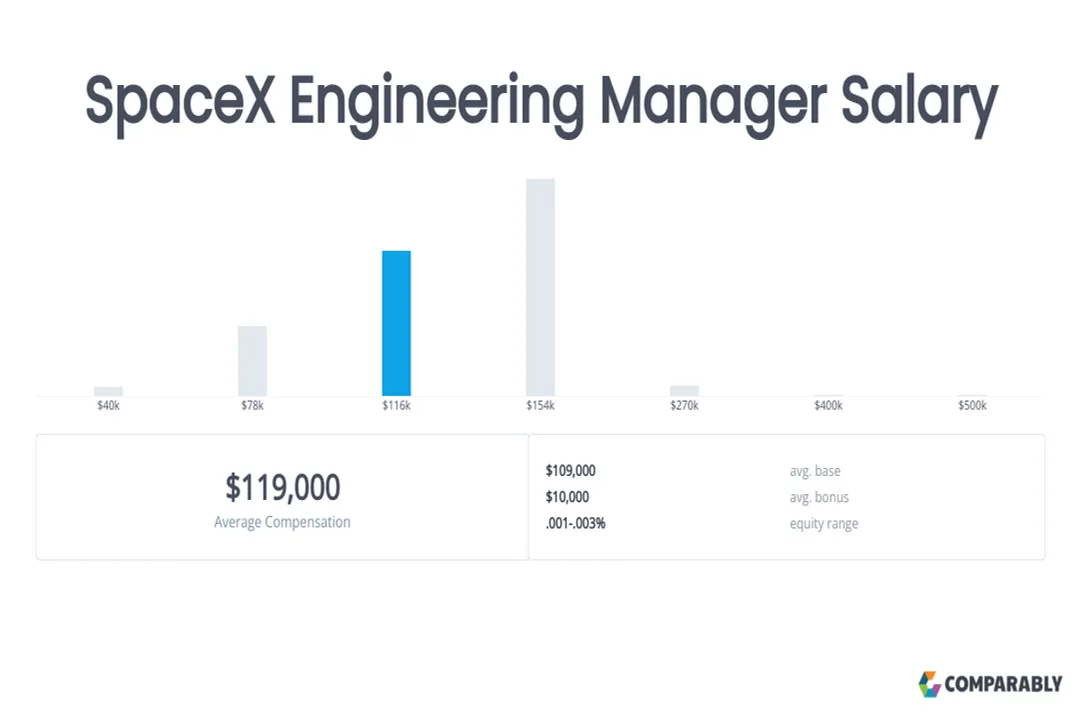
Information aggregated from various sources paints a picture of significant salary variance across the entire company. On one end of the spectrum, general data aggregated by ZipRecruiter suggests that the average annual pay for a generic "Spacex" role sits around 23.50 per hour. The typical salary band in this general aggregation ranges primarily between the 25th percentile at approximately 62,500 annually.
However, this low average likely reflects the vast number of non-engineering or entry-level positions within the organization, as other reports indicate substantially higher figures for the professional staff. One report suggests the average employee earns around 92,844 as of early 2025, which is noted as being significantly higher than the average across other companies. Furthermore, The Ladders places the overall average pay for SpaceX employees slightly higher, at $128,052.
The structure of compensation at a rapidly evolving private entity like SpaceX suggests that a simple base salary figure does not tell the whole story. Given the industry and culture, high-caliber scientific roles, which an astronomer position would certainly fall under, are likely structured with a substantial component of equity or performance-based bonuses on top of the base pay. This separation of total compensation versus base salary is likely the primary reason why wide compensation ranges are reported—the difference between the lowest-paid hourly worker and a senior engineer on an equity track could easily exceed a factor of five.
# Science Roles Context
Since a specific salary band for an "Astronomer" is not explicitly available through the accessible data—with some aggregator sites either being inaccessible or only hinting at data points that remain incomplete—it is useful to examine related positions. The roles involved in deep-space research, mission planning, or trajectory analysis, which an astronomer might fulfill, often fall under the umbrella of "Scientist" or "Astrophysicist" roles within the company's structure.
It is important to recognize that for a company focused on rapid iteration and mission success, job titles might be fluid. An individual performing astronomical calculations for trajectory correction might be listed internally as a "Research Scientist" or even an "Aerospace Engineer" depending on the immediate team's focus, such as Starship development or Starlink deployment schedules. This functional alignment over strict traditional titles means that an individual hired to do astronomy work may actually be drawing a salary reported under a different, though related, job title.

# Astronaut Benchmark
A valuable, though indirect, comparison point comes from examining what SpaceX pays astronauts, or more accurately, the astronauts flying on their vehicles. SpaceX currently utilizes NASA astronauts for its manned missions using the Dragon spacecraft, and SpaceX does not yet host its own internal astronaut corps.
NASA civilian astronaut pay, as of 2022, falls under the GS pay scales. A GS-13 level astronaut earns between 105,579 annually, while GS-14 ranges from 124,764. Highly experienced astronauts at NASA can reach the GS-15 scale, netting up to $146,757 per year.
The speculation surrounding future, privately-employed SpaceX astronauts suggests that, if they establish their own program, those roles would command compensation well above the NASA limit of $146,000. If SpaceX anticipates paying its pilots and space-walking crew above this threshold, it stands to reason that the highly specialized scientists developing the mission parameters, performing advanced orbital mechanics, or analyzing the resulting data—the astronomer roles—would be compensated at a similar, if not higher, level, particularly when considering total compensation packages.
# Compensation Structure Insight
The median total compensation reported by one source is **147k, this figure suggests that even average-level professional employees at SpaceX are netting significantly more than their government counterparts due to private sector incentives. For a pure research role like an astronomer, the base salary might closely track that of a senior engineer or data scientist, potentially starting in the 180,000 range for experienced hires, with the rest of the total compensation coming from equity or large annual bonuses tied to successful mission milestones. This structure heavily favors performance and long-term commitment over steady, grade-based public sector pay.

# High Earnings Potential
The data clearly signals that while many roles fall into a mid-range bracket, the potential for high earnings at SpaceX is significant. The top 10% of employees are reported to earn more than $298,000 per year. For a specialized role like an astronomer, one might infer that an individual with extensive doctoral experience or a track record of critical work on classified or high-priority projects (such as Mars mission architecture or advanced sensor data processing) could easily command a compensation package placing them firmly within this top bracket. The high-earning cities identified for general "Spacex" roles, like San Francisco, CA, show averages that exceed the national average by over 15%, indicating that location and cost of living adjustments significantly impact the take-home pay, even for the general pool of employees. This suggests that an astronomer based near the primary engineering hubs in Southern California would likely see a higher base figure than one working remotely or in a lower cost-of-living area, though the equity grant might be standardized.
Related Questions
#Citations
Unveil The Astronomical Salaries Of Spacex Employees The ...
How much do NASA, ESA and SpaceX pay astronauts? - Space Crew
Spacex Salary: Hourly Rate December 2025 United States
SpaceX Careers, Jobs, and Salary Information - Ladders