How much did the US pay for the ISS?
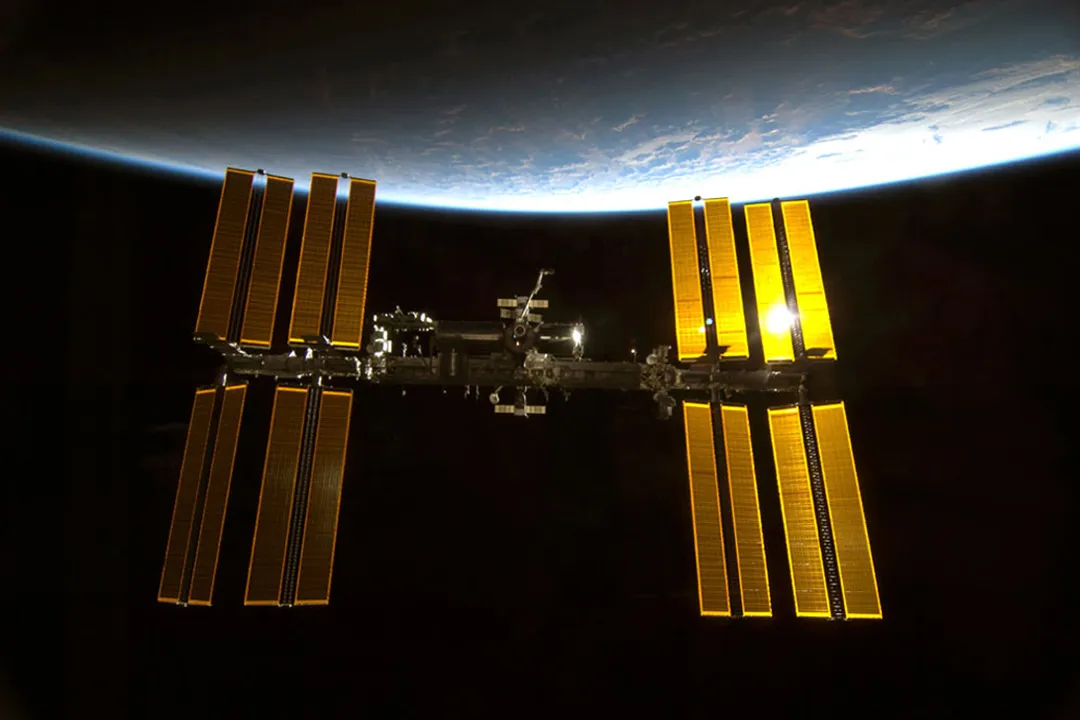
The accounting for the International Space Station (ISS) is far from a simple sticker price; it involves construction costs, ongoing operational budgets, and even projected disposal fees, making any single dollar figure somewhat misleading without context. When focusing specifically on what the United States has paid, the figures reveal a massive, long-term commitment spread over decades of development and utilization.
# Cumulative Spending
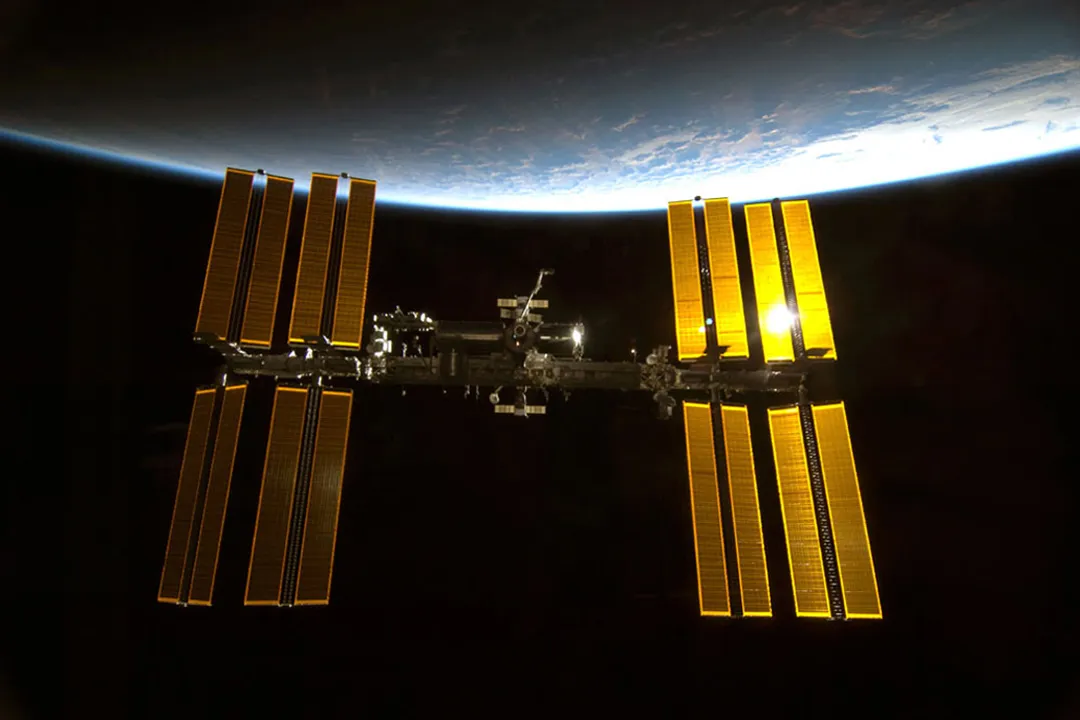
The most concrete figure often cited regarding NASA's direct financial outlay relates to the cumulative spending through the program's operational lifetime. As of a 2022 assessment by NASA's Office of Inspector General (OIG), the U.S. investment in the ISS program had already reached approximately $75 billion. This number represents the running total of expenditures related to the American segment, integration, utilization, and operational support up to that point. It's crucial to remember this is a historical cost, not the final invoice, as the station remains in active service.
# Perceived Worth
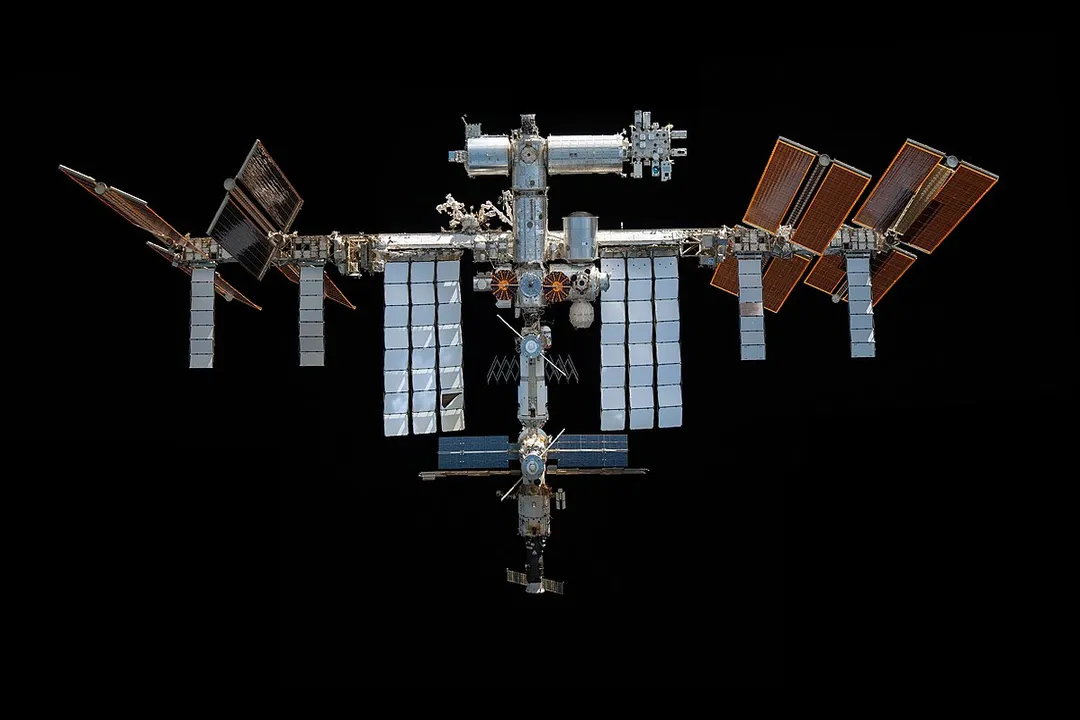
A figure frequently circulated in public discourse suggests the ISS is worth about **75 billion cost figure cited by the OIG. The difference between the cost incurred and the estimated value is interesting. The valuation likely incorporates not just the hardware and integration but also the immense amount of scientific research, technological development, and the infrastructure required to maintain a permanent human presence in low Earth orbit. If one were to attempt to recreate the station today, the cost would likely be significantly higher than the original cumulative spending, due to inflation and the complexity of coordinating international partners.
# Annual Bill
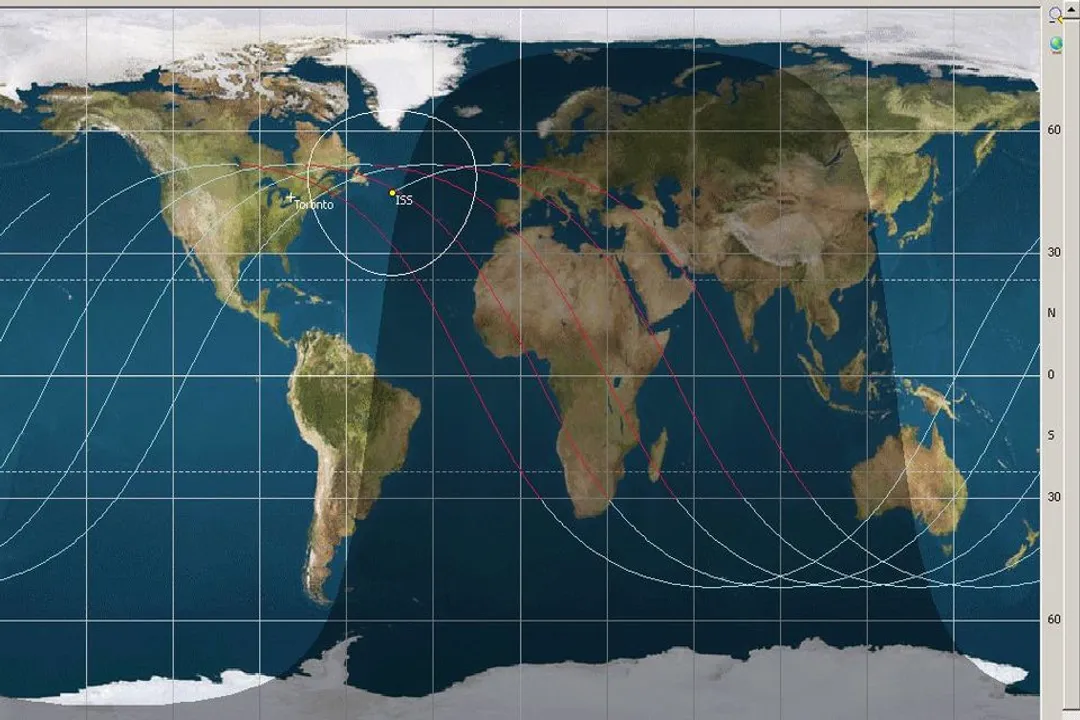
While the initial construction phase involved large capital expenditures, the ongoing price tag for keeping the station flying and crewed is substantial. Reports indicate that NASA spends roughly 4 billion annually just to operate the ISS. This operational cost is what drives the program's budget year after year. The OIG report noted that projections for future costs were perhaps overly optimistic, suggesting the actual required funding to maintain operations through the currently planned retirement date might exceed initial estimates. Looking at the history, the fact that the cumulative cost of about 3-4 billion per year—a significant percentage of the total investment, illustrating how sustaining a laboratory in space is more expensive than building it in the first place.
# International Partners
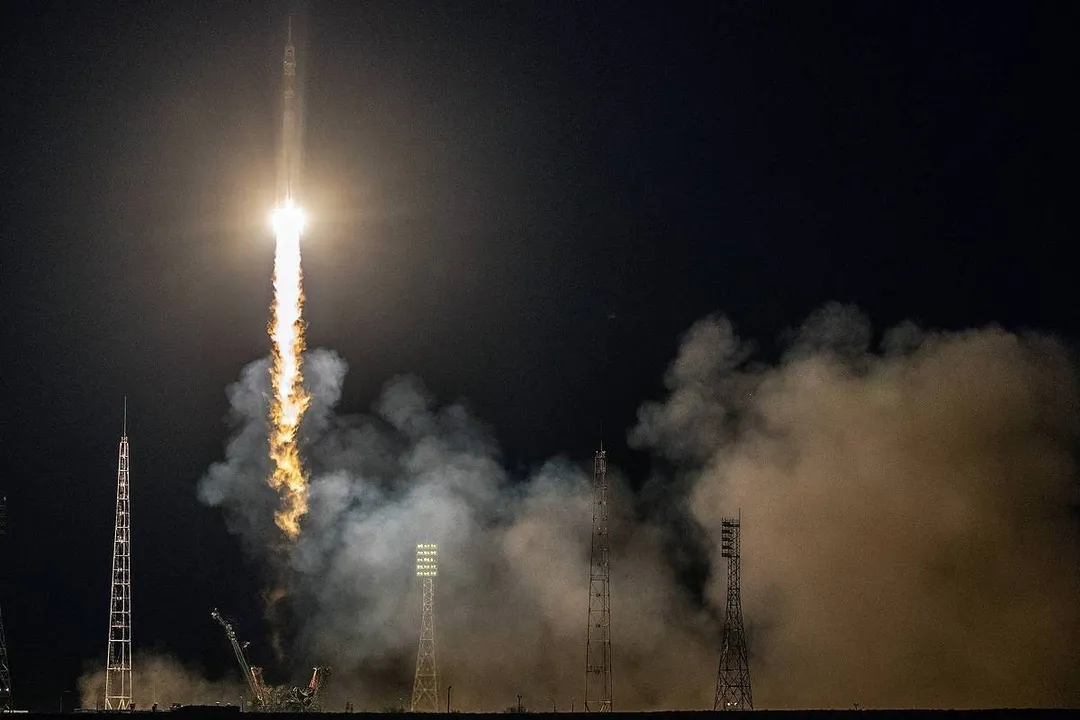
The United States shoulders the largest portion of the financial burden, but the ISS is inherently a multi-national endeavor. The total cost of the station is shared among the five participating space agencies: NASA, Roscosmos (Russia), JAXA (Japan), ESA (Europe), and CSA (Canada). Russia, for instance, provided key initial modules and continues to contribute significantly to the operational aspects, particularly propulsion and life support systems. While the $75 billion figure represents the U.S. contribution, understanding the total program cost requires factoring in the resources committed by these partners.
# Decommissioning Liability
The financial obligation doesn't end when operations cease. A final, significant line item in the ISS budget is the cost of decommissioning the station safely. NASA has acknowledged that it will likely need to budget for this disposal phase, with estimates suggesting a cost potentially reaching $1 billion. This expenditure covers the maneuvers required to deorbit the massive structure in a controlled manner, aiming to ensure that debris falls into remote, unpopulated areas of the South Pacific Ocean, often referred to as the spacecraft cemetery. This future liability underscores that the total lifetime cost of the ISS extends well past its final operational day.
# Isolating Construction Dollars
Pinpointing the exact cost dedicated purely to the physical construction of the modules, as opposed to research grants, logistics, and management overhead, is exceedingly difficult. The total expense includes everything from designing the Power Management and Distribution system to assembling the structure in orbit. Furthermore, much of the U.S. contribution wasn't just money exchanged for hardware built on Earth; it was often a trade of services, hardware contribution, or guaranteed access slots for international partners. For example, NASA's share of the initial cost was tied to providing the primary U.S. modules and the heavy-lift launch capacity for many components. This means the $75 billion represents a complex mix of capital investment, ongoing research funding, and logistical support necessary to keep the research platform functional. The sheer scale of the undertaking, involving hundreds of suppliers and years of assembly across multiple launch vehicles, makes disentangling the pure hardware cost from the enabling infrastructure nearly impossible for external analysis.
Related Questions
#Citations
[PDF] NASA's Management of the International Space Station and Efforts ...
Costs of US piloted programs - The Space Review
Is the International Space Station Worth $100 Billion?
NASA IG: ISS Cost U.S. $75 Billion So Far, Estimates of Future Costs ...
US pays Russia $3.9 billion for ferrying astronauts to ISS - TASS
NASA May Pay $1 Billion to Destroy the International Space Station ...
How much did it cost to physically build the ISS (not including launch ...
International Space Station - Wikipedia
What about the ISS costs 3 billion annually? - Science & Spaceflight