Why does NASA rely on SpaceX?
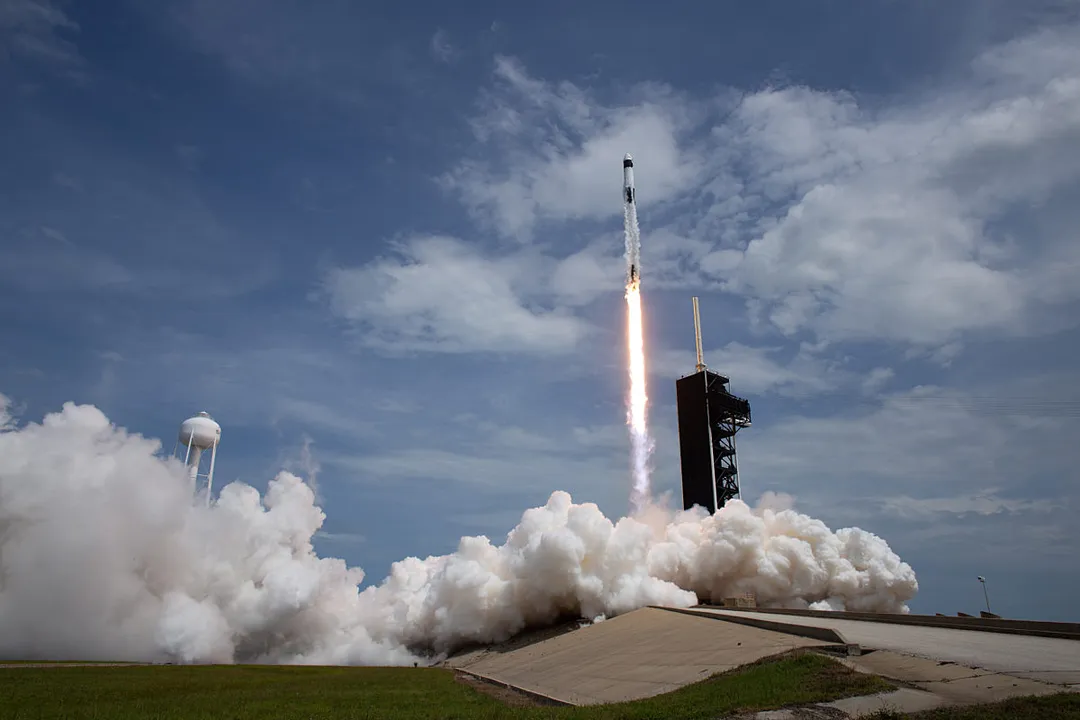
The relationship between the National Aeronautics and Space Administration (NASA) and SpaceX has evolved into one of the most defining partnerships in modern American spaceflight, leading many to question why the agency relies so heavily on a private entity for access to orbit and, potentially, deep space objectives. [4] This dependency is not accidental; it is the result of a deliberate strategic pivot by the U.S. government following the retirement of the Space Shuttle program, a shift driven by economic realities and a desire for faster innovation cycles. [2][3]
When the Shuttle retired in 2011, NASA found itself without a domestic means to ferry astronauts to the International Space Station (ISS), a capability that had previously been maintained entirely through government funding and management. [2] To fill this gap, NASA initiated the Commercial Crew and Cargo programs, essentially deciding to purchase transportation services rather than fund the entire development and operational infrastructure internally, which had proven extremely costly and slow in the past. [2][9] SpaceX, under Elon Musk, successfully responded to this call with its Falcon 9 rocket and Crew Dragon capsule, achieving milestones often years ahead of its primary competitor, Boeing. [7]
# Buying Services
The core philosophy underpinning this reliance is the move toward commercialization. Historically, NASA managed the design, construction, and operation of space hardware, treating contractors more like government employees working on specific, tightly controlled requirements. [9] This model, exemplified by the Space Shuttle program, led to massive cost overruns and delays across decades. [2] The commercial approach flips this dynamic: NASA defines the goal—safe, reliable transport to the ISS—and contracts a commercial partner to develop the means to achieve it at a fixed price or within a defined budget structure. [9]
This approach effectively transfers some of the financial and technical risk from the taxpayer to the private company. [2] If a government program encounters a technical roadblock, the government typically absorbs the cost overrun to keep the program alive; in the commercial model, the contractor bears a much larger share of that risk, incentivizing efficiency. [1] This inherent financial incentive is a major structural reason for NASA’s sustained engagement with SpaceX. [2]
When considering the massive budgetary outlay required to restart a national vehicle development program from scratch, the math becomes clear. The development and operational costs associated with the Shuttle program were immense, stretching over decades. [2] Although exact figures are complex to compare given differing goals, the development phase for Crew Dragon, while costly, resulted in a vehicle certified for crew flight at a projected lower lifetime operational cost than the prior government-owned system would have incurred. [2] One can look at the Apollo program as the historical benchmark: a pure government endeavor that, while successful, consumed a massive percentage of the federal budget during its peak years. By contrast, NASA’s commercial strategy aims for sustainable access by integrating private sector capital and efficiency into the equation. [1]
# Cost Efficiency
The cost savings NASA realizes through its contracts are often cited as a primary driver for choosing SpaceX. While NASA pays SpaceX for a full mission seat, the overall development cost borne by NASA is significantly less than what they might have spent building a comparable system themselves through traditional defense contracting channels. [9] The structure encourages innovation because the quicker a company proves its hardware, the sooner it begins generating revenue from the service contract. [2]
SpaceX's approach to reusability in the Falcon 9 has fundamentally reshaped the economics of accessing space. [1] The ability to routinely land and reuse the first stage drastically lowers the marginal cost of launching a payload or a crew capsule. While NASA pays the full contract price for the service, the underlying hardware architecture is inherently more economical than expendable systems. [1] This efficiency allows NASA to potentially allocate more of its budget to deep-space exploration, like the Artemis missions, rather than maintaining a perpetual cycle of building and discarding expensive launch vehicles for low-Earth orbit (LEO) logistics. [4]
For the general reader, it’s useful to think of it this way: NASA used to buy the entire car, including the factory that built it, every time it needed a ride to the station. Now, NASA is buying the transportation service, much like buying an airline ticket, leaving the ownership and maintenance of the vehicle fleet to the service provider. [2] The fact that SpaceX has achieved this while also rapidly developing next-generation hardware like Starship shows an aggressive pace that traditional government programs rarely match. [6]

# Proven Hardware
While cost is a significant factor, proven success in flight is what cements the reliance. NASA requires certified, reliable systems for crewed missions, and SpaceX has consistently demonstrated capability in this area. [5] The Falcon 9 rocket and its crew and cargo variants of the Dragon spacecraft have logged numerous successful missions delivering both supplies and astronauts to the ISS. [5]
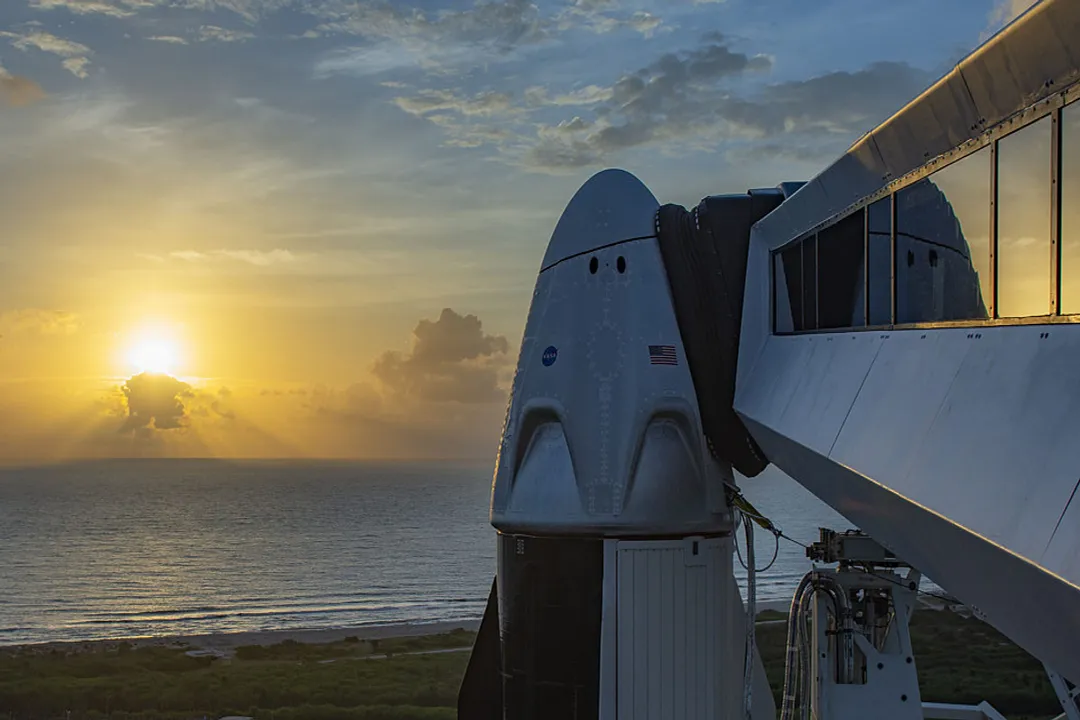
The Crew Dragon spacecraft, designed specifically for human spaceflight safety standards, has successfully transported crews under the Commercial Crew Program (CCP). [5] This demonstrated operational performance builds the necessary trust—a key component of NASA’s decision-making authority—that a private company can safely execute the agency’s most critical missions. [3]
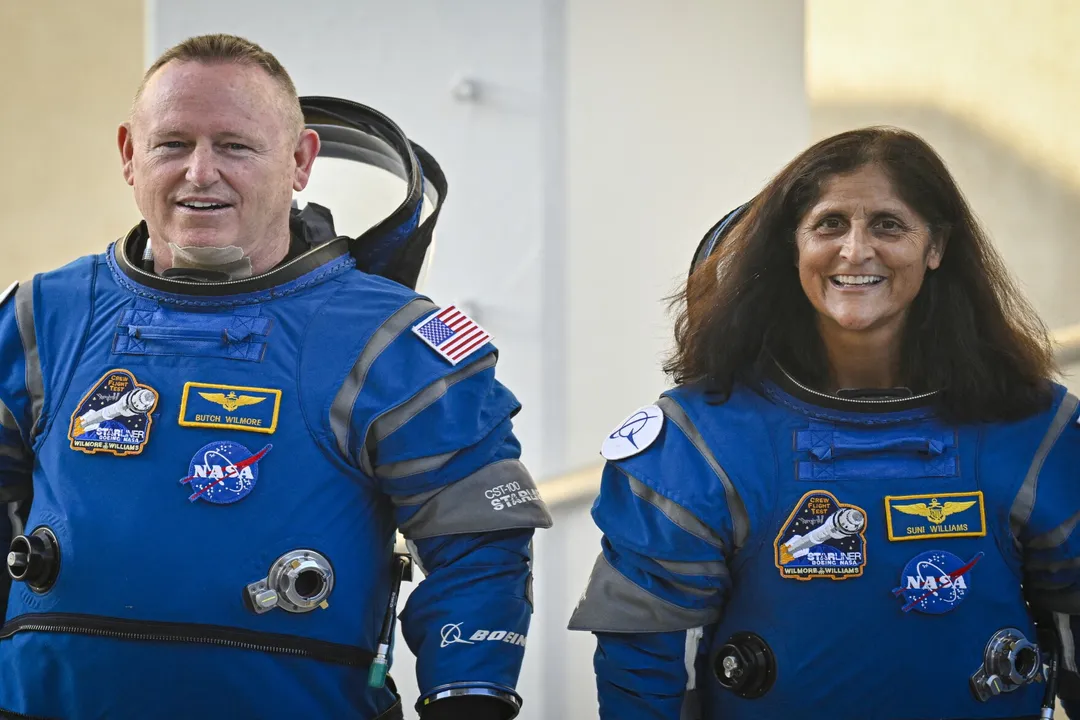
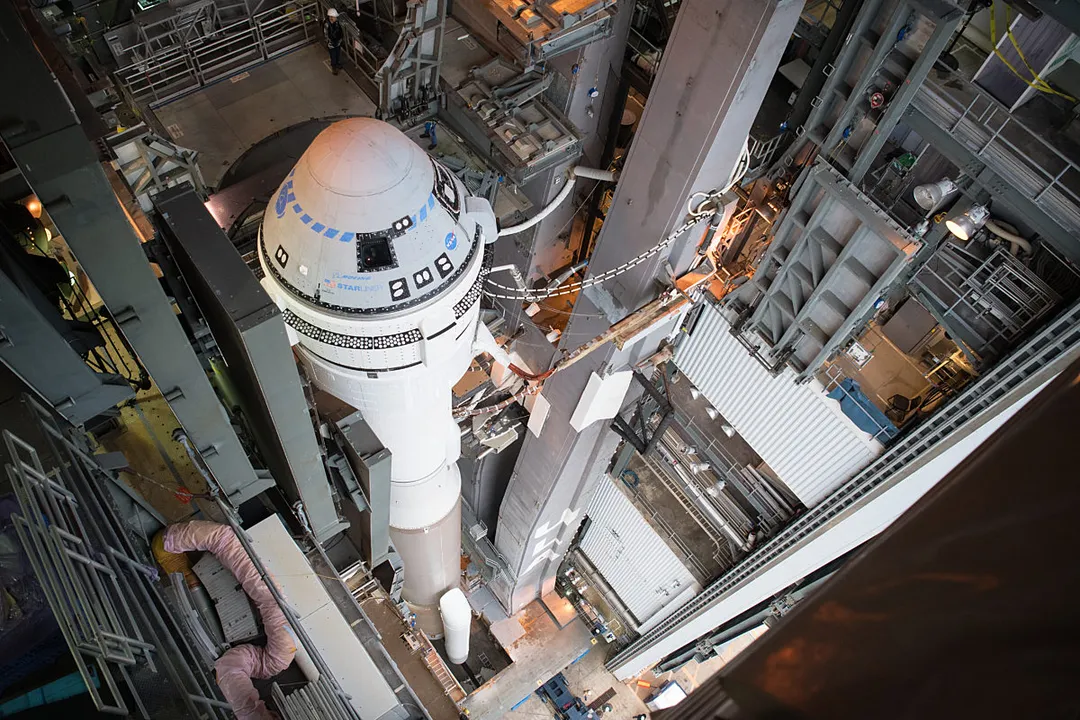
When comparing the early development phases, SpaceX’s path, while not entirely free of test failures (such as earlier uncrewed Dragon tests or static fire incidents), appeared faster and more iterative than that of its direct competitor, Boeing’s Starliner program, which experienced several significant delays and technical hurdles before achieving crewed flight certification. [3][7] This track record established SpaceX as the only consistently available, fully operational commercial provider for a significant stretch of time. [4]
One interesting point emerges when comparing the technical profiles: NASA selected two primary providers (SpaceX and Boeing) for CCP, yet one dominated the operational phase for years. This suggests that while the intent was dual redundancy, the execution led to a heavy concentration of operational expertise and hardware readiness with one provider. [8] It underscores that reliability in spaceflight is not just about paperwork; it's about consistent, successful operations under pressure, which SpaceX delivered first. [3]
# Dependency Risks
Despite the clear advantages, the high degree of reliance on a single private entity for critical access to the ISS and for future deep-space planning presents an undeniable strategic vulnerability. [4] Critics and policy analysts have pointed out that placing the primary capability for human spaceflight in the hands of one commercial operator introduces significant risk should that operator face a major catastrophe, a long-term operational shutdown, or even a significant shift in business priorities. [8]
This concentration of capability means that any major, long-term failure of a Falcon 9 or Crew Dragon system could strand astronauts on the ISS or halt critical science missions until a backup system—which is often slower to certify or currently non-operational—can be brought fully online. [4] This is why policy experts advocate that the U.S. space strategy cannot rely on SpaceX alone. [8] The operational risk is asymmetrical: the reward (cost savings, speed) is high, but the potential cost of failure (loss of crew or long-term ISS reliance on Russia) is catastrophic. [4]
The dynamic also places NASA in a unique negotiating position, which can shift based on the company’s market dominance. If SpaceX is the only viable option, NASA’s bargaining power is inherently weakened compared to a scenario where two or more providers are operating at peak capacity. [7] Furthermore, the government’s reliance extends beyond launch services to the very ecosystem supporting the company; a significant portion of the funding and development for the next generation of large launch vehicles (Starship) is indirectly tied to NASA contracts, creating a complex feedback loop. [4]

# Redundancy Needs
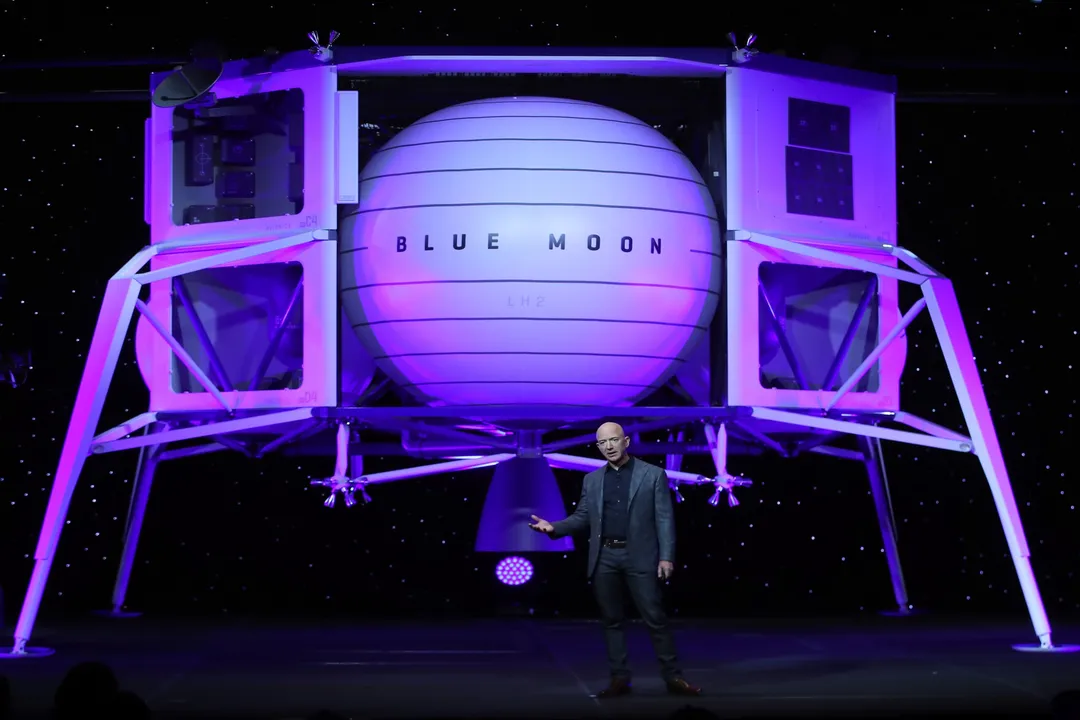
NASA’s original goal in the Commercial Crew Program was to establish redundancy by contracting with two independent providers. [9] This dual-provider strategy, which included Boeing's CST-100 Starliner, was designed specifically to mitigate the concentration of risk now being discussed. [8] The agency understood that relying on one company, regardless of how successful they were, violated fundamental principles of strategic redundancy for critical national assets. [8]
The necessity of this approach became especially apparent when Starliner faced its own technical hurdles and delays. [3] While Starliner eventually achieved crew certification, the years it spent in development and testing meant that SpaceX shouldered the entire operational burden for crew rotation for a substantial period. [7] This reality forced NASA to manage the potential single point of failure situation until the second vehicle was available. [8]
In an ideal scenario, both SpaceX and Boeing would be flying regular, competitively priced missions, allowing NASA to alternate providers or shift capacity quickly if one vehicle required an extended grounding for inspection or repair. [9] The competition also helps keep pricing fair over the long term. While SpaceX demonstrated incredible agility, the structure of the CCP contract itself was set up to nurture this competitive environment, even if the market results favored one company initially. [9]
Moving forward, the reliance on SpaceX must be viewed through the lens of future architecture. SpaceX’s Starship represents a massive leap in capability, potentially making it the primary vehicle for both government and commercial needs well into the future. [6] If Starship proves successful, the reliance deepens, but the type of reliance changes—it shifts from reliance on the existing Falcon 9/Crew Dragon architecture to reliance on the potential for massive, reusable lift capacity needed for the Moon and Mars missions. [6] This transition requires NASA to maintain its oversight expertise while fostering a partnership where private industry pushes the envelope of what is technically feasible, a delicate balance that requires NASA to cultivate internal expertise not just in contracting, but in assessing rapidly evolving private-sector engineering advancements. [3] This involves a cultural evolution within the agency itself, shifting from being the sole developer to becoming a highly discerning, technically competent anchor customer. [1] The long-term viability of US access to space, therefore, rests on NASA's ability to manage this partnership effectively, ensuring cost benefits are realized without forfeiting necessary strategic control or redundancy against unforeseen challenges in the private sector.
#Videos
How The U.S. Became So Dependent On SpaceX - YouTube
Related Questions
#Citations
Why is the success of NASA's commercial space programs largely ...
Why does NASA choose to work with SpaceX instead of building ...
Why do we need NASA when we have SpaceX?
How the U.S. became highly reliant on Elon Musk for access to space
[PDF] NASA's Commercial Crew Partners: SpaceX
How The U.S. Became So Dependent On SpaceX - YouTube
NASA and the Defense Department Rely on SpaceX in So Many Ways
US Space Strategy Can't Rely on SpaceX Alone