What is the connection between NASA and SpaceX?

The relationship between the National Aeronautics and Space Administration (NASA) and SpaceX is one of the most significant developments in American spaceflight history, representing a fundamental shift in how the nation accesses space. It is not a simple vendor-client arrangement but a complex, evolving partnership driven by budget realities, technological ambition, and the desire to restore domestic launch capabilities after the Space Shuttle program ended. This collaboration has fundamentally altered the ecosystem of space exploration, merging government oversight with private-sector agility.
# Launch Capability
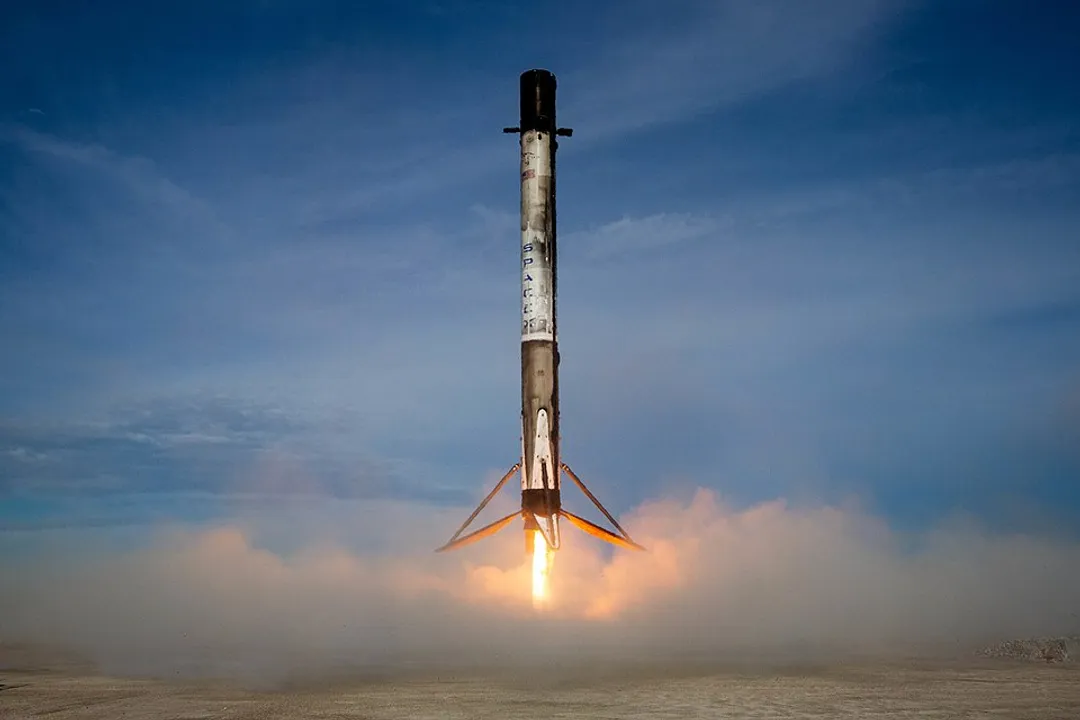
One of the primary drivers for this connection was the need for reliable, cost-effective access to low-Earth orbit (LEO) for cargo and, later, crew. Following the retirement of the Space Shuttle, NASA found itself reliant on Russian Soyuz rockets to ferry astronauts to the International Space Station (ISS). To resolve this dependency and reduce overall operational costs, NASA initiated programs that essentially bought services rather than hardware outright.
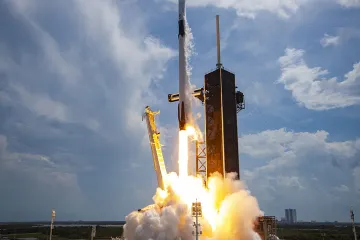
The Commercial Orbital Transportation Services (COTS) program was an early example, designed to spur the development of commercial systems for ISS resupply. SpaceX emerged as a major winner from this approach, developing the Falcon 9 rocket and the Dragon spacecraft to ferry cargo to the ISS. This model was deemed successful enough to be replicated for crew transport under the Commercial Crew Program (CCP). The CCP mandated that a private company—in this case, SpaceX with its Crew Dragon vehicle—must provide astronaut transportation services to the ISS, thereby ending the reliance on Soyuz.
# Hardware Links
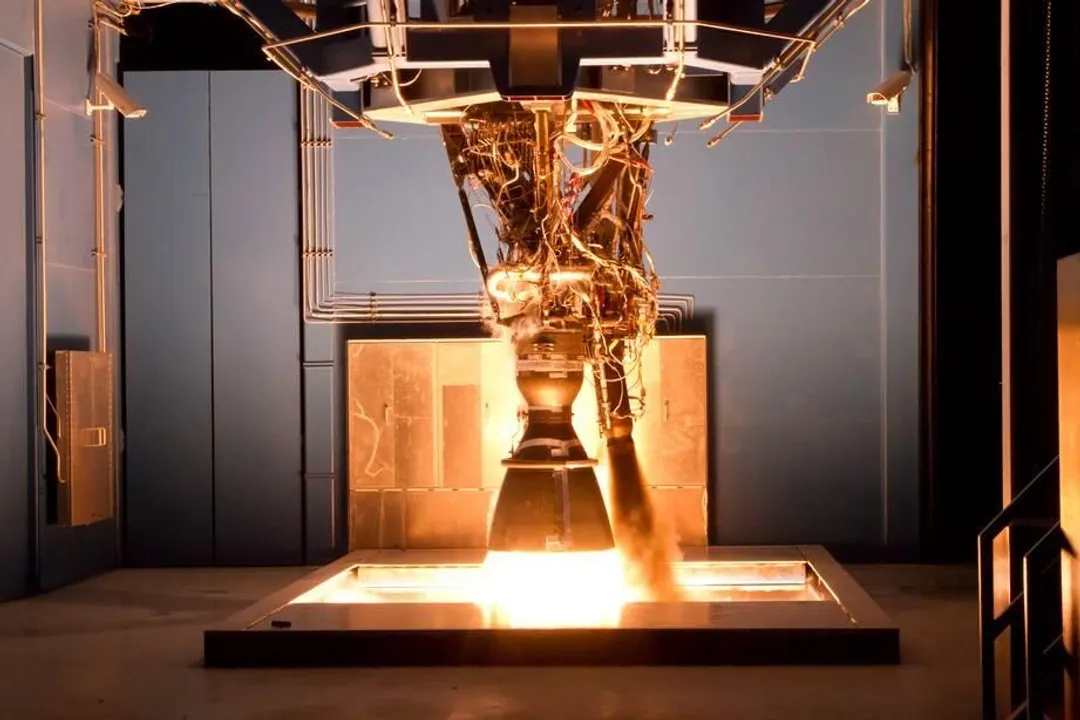
The tangible connection between the two entities is found in the vehicles NASA relies upon. SpaceX’s launch vehicles and spacecraft are central to NASA’s ongoing low-Earth orbit operations and are being designed for deep space aspirations as well.
The main components involved include:
- Falcon 9 Rocket: The workhorse two-stage, partially reusable launch vehicle used for both cargo and crew missions, as well as other commercial and government launches.
- Cargo Dragon: The initial version developed for COTS, designed to autonomously dock with the ISS for cargo delivery and return.
- Crew Dragon: The variant certified to carry up to four astronauts, featuring upgraded life support and emergency abort systems necessary for human flight.
- Starship/Super Heavy: While the Falcon 9 system handles LEO logistics, SpaceX is also developing Starship, which has been contracted by NASA for the Human Landing System (HLS) component of the Artemis program, intended to carry astronauts to the lunar surface.
This hardware portfolio showcases a tiered approach: established, certified systems handle routine ISS traffic, while the next-generation, highly ambitious system is being developed under a specific NASA contract to achieve the agency's deep-space return goal.
# Contract Evolution
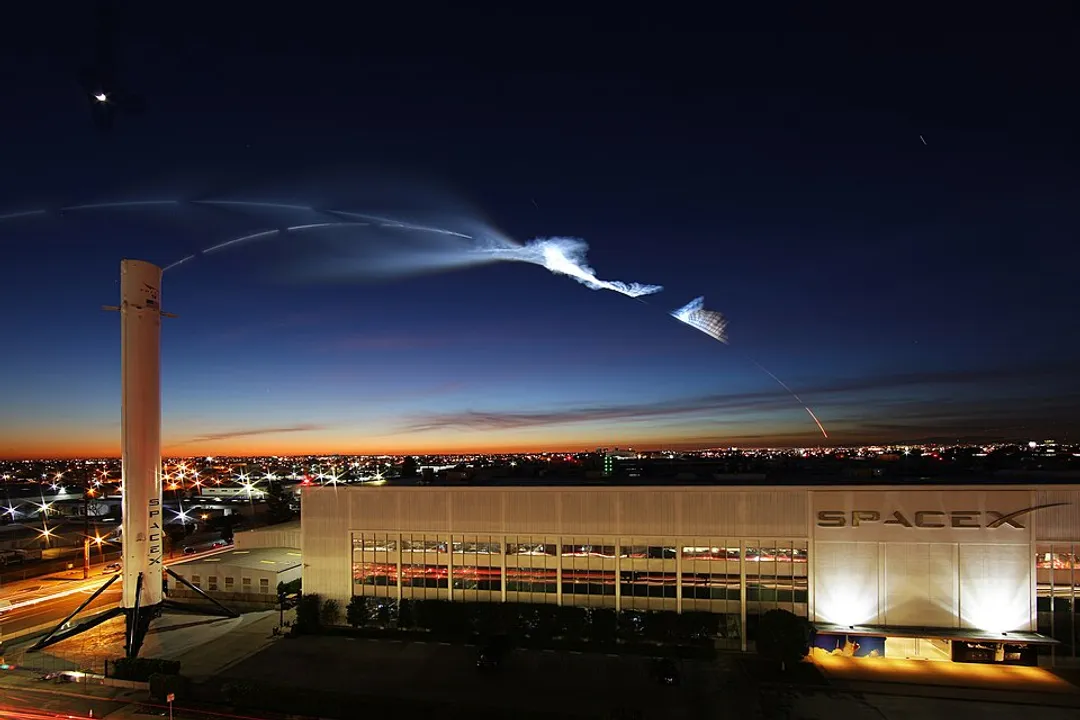
The nature of the agreements between NASA and SpaceX illustrates a move away from traditional government contracting toward performance-based service purchasing. Early agreements focused on development—NASA providing seed funding and milestones for SpaceX to create new capabilities. For instance, the Commercial Resupply Services (CRS) contracts were fixed-price agreements where SpaceX was paid upon successful delivery of cargo.
This model has proven highly effective. When the CCP began, the fixed-price contract structure incentivized SpaceX to innovate rapidly and reduce launch costs compared to the Space Shuttle era. Furthermore, the success of the Falcon 9 in meeting required performance benchmarks allows NASA to proceed with larger, more complex tasks, such as using Starship for the HLS mission, which is a multi-billion dollar award built upon the foundation of previous successful commercial service deliveries. This evolution shows NASA betting on proven capability to tackle increasingly difficult objectives.
# Dynamics of Partnership
While the contracts define the transactional elements, the underlying relationship is often discussed in terms of competition versus collaboration. Some observers perceive SpaceX as competing directly against NASA’s internal capabilities or other contractors, such as Boeing. However, the reality is more nuanced. NASA's budget does not typically fund the entirety of SpaceX's operations; SpaceX operates as a commercial entity with its own financial incentives, developing technology that often exceeds NASA's minimum requirements.
The public often sees these companies as competitors against NASA itself, when in reality, the contracts structure SpaceX as a specialized, high-speed contractor fulfilling specific government objectives, operating under a different risk calculus than legacy prime contractors. NASA retains the ultimate authority and responsibility for mission safety, which necessitates rigorous oversight over SpaceX’s processes, designs, and testing. This oversight ensures safety standards are met, even when the contractor is driving the innovation pace.

# Engineering Oversight
The technical interaction required for certifying vehicles like Crew Dragon for human flight demands intense collaboration between engineers from both organizations. NASA engineers must become highly adept customers, focusing on verifying mission requirements rather than designing the components themselves.
The contractual structure requires NASA to evolve its own internal expertise from being primary builders of hardware to becoming expert customers and regulators, focusing intensely on requirements verification rather than manufacturing oversight. This shift necessitates that NASA personnel maintain deep technical literacy to effectively monitor and audit a company like SpaceX, which operates on a faster iterative design cycle than traditional government aerospace programs. This close working relationship, sometimes involving joint test planning or safety reviews, ensures that the independent engineering spirit of SpaceX is channeled toward meeting NASA's strict safety and performance mandates for human spaceflight.
# Reinvigorating Access
The partnership has demonstrably revitalized American access to space, reducing mission costs and increasing launch cadence. Before SpaceX, the procurement model often involved significant cost overruns and schedule delays inherent in large, government-managed programs. By outsourcing the development and operation of routine access to LEO, NASA was able to reallocate significant internal resources and funding toward future goals, such as returning humans to the Moon and eventually Mars.
The success of SpaceX in these initial programs offers an interesting contrast to previous eras. During the Apollo program, the government managed nearly every subcontractor directly. In the current environment, NASA outsources the service and holds the company accountable for the result, which can lead to cost savings and faster technological maturation for the entire industry. This is a crucial distinction: NASA funds the destination and the required performance metrics, while SpaceX funds and manages the most efficient path to achieving those metrics with its own proprietary technology.
# Future Trajectory
The relationship is moving beyond the ISS logistics and into deep space exploration through the Artemis program. The selection of Starship HLS underscores NASA’s continued commitment to harnessing commercial capabilities for its most ambitious objectives. This indicates that the NASA-SpaceX connection is maturing from a support role (resupply and crew rotation) to a central role in the next era of human exploration. For the broader aerospace community, this model sets a new standard for government procurement, emphasizing speed, reusability, and performance incentives. The sustained success of these contracts will likely shape how NASA approaches partnerships with other emerging space companies for decades to come, further integrating commercial reliability with national scientific goals.
Related Questions
#Citations
[PDF] NASA's Commercial Crew Partners: SpaceX
To those who think NASA and SpaceX are competing against each ...
SpaceX - Wikipedia
What is SpaceX and why is Elon Musk working with Nasa? - BBC
SpaceX and NASA: Partnering with Aerospace Engineers
Why does NASA use SpaceX and other companies when they have ...
SpaceX, NASA Contracts Evolve as Collaboration Reinvigorates ...
What Does SpaceX and NASA's Partnership Really Mean?
Why do we need NASA when we have SpaceX?