Why is NASA so reliant on SpaceX?
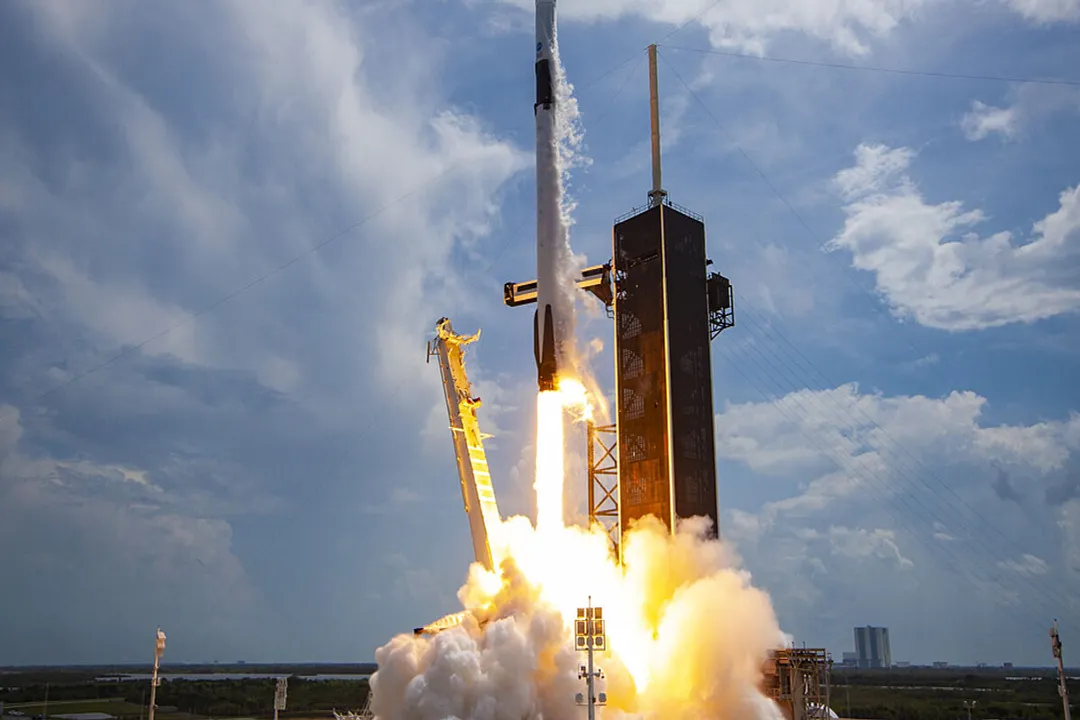
The landscape of American access to space has fundamentally shifted over the last decade, moving away from government-built and operated vehicles toward a model heavily dependent on commercial providers, with one company, SpaceX, taking the undeniable lead. [1][7] It is not merely a preference for cheaper options; it is the result of strategic policy decisions, overwhelming economic advantages, and the pacing of technological development across the aerospace sector. [4][5] When the Space Shuttle program concluded, NASA found itself without a domestic means to ferry astronauts to the International Space Station (ISS), creating an immediate and critical need that commercial entities were contracted to fill. [1][7]
# Program Evolution
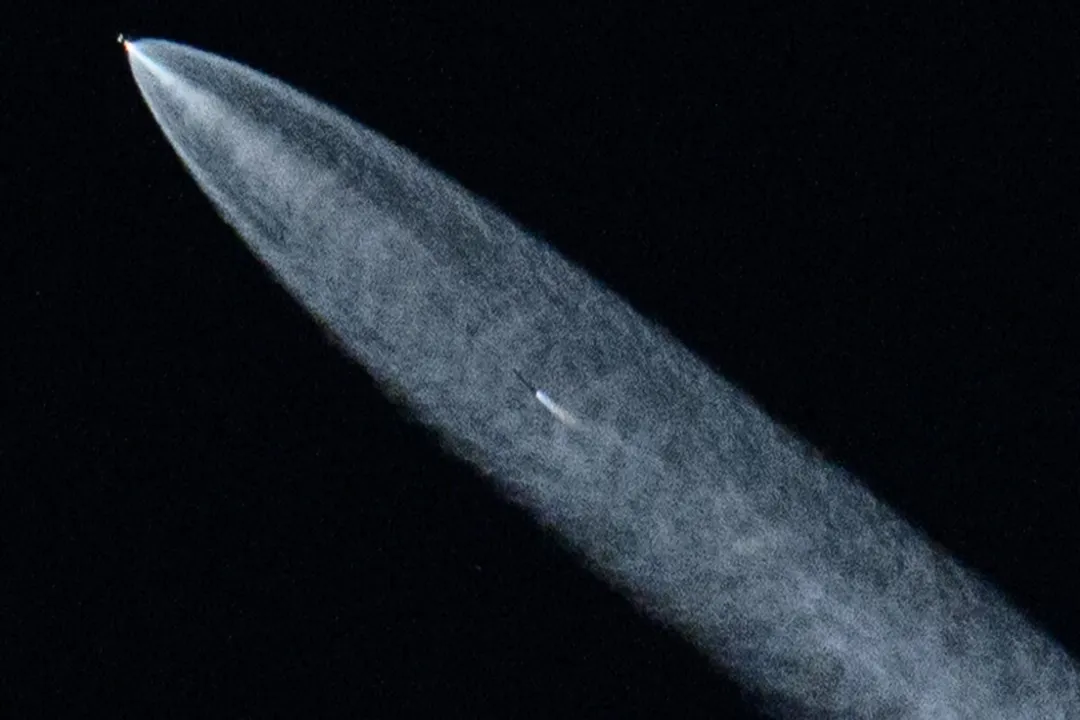
The core of this relationship lies in NASA's Commercial Crew and Cargo programs, which represented a deliberate pivot in how the agency acquires services. [1][7] Instead of funding the construction of a government-owned vehicle from scratch, NASA offered fixed-price contracts to commercial companies to develop transportation systems and then purchase crew transport or cargo delivery services. [1] This structure was designed to spur innovation by placing the financial risk and development schedule management onto the private contractor, allowing NASA to focus on research and deep-space exploration rather than daily launch operations. [4]
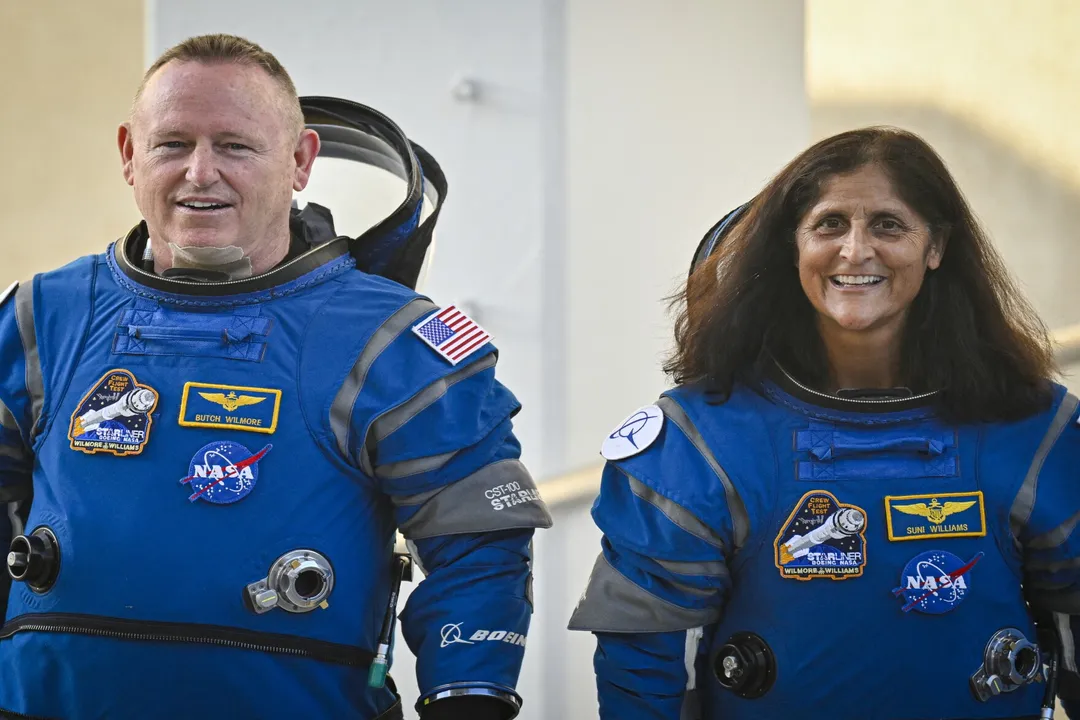
The initial approach saw NASA select multiple providers for both cargo (Commercial Resupply Services or CRS) and crew (Commercial Crew Program or CCP) to maintain competition and redundancy. [1][7] However, the execution revealed a significant disparity in performance. While SpaceX rapidly matured its Falcon 9 rocket and Crew Dragon capsule, meeting its milestones and proving reliability, competitors faced protracted development timelines and significant budget challenges. [6] For instance, Boeing’s Starliner program encountered numerous delays and technical hurdles, pushing its operational certification far past initial projections. [6] This reality meant that, regardless of NASA’s initial intent to maintain robust competition, SpaceX became the indispensable workhorse for astronaut transport and cargo resupply for years. [6]
# Financial Incentives
One of the most compelling drivers behind NASA's reliance is the stark cost difference SpaceX introduced to the market. [4] Traditional aerospace contracting, often relying on cost-plus models that reimburse contractors for expenses plus a fee, historically led to high prices for bespoke government hardware. [4] SpaceX, by contrast, operates with a different economic philosophy aimed at vertical integration and mass production of components, which substantially drives down the per-launch cost. [4]
When NASA pays for a seat on a Crew Dragon, that payment is for a service rendered on a system that SpaceX has already paid to develop and certify. [1] This contrasts sharply with the historical cost of a government-developed vehicle. The cost savings achieved by utilizing the Falcon 9 and Crew Dragon are substantial enough that they heavily influence NASA’s budgetary planning and mission scheduling. [4] This cost advantage is not a secondary benefit; it represents a fundamental change in the economic feasibility of maintaining a regular presence in low-Earth orbit, allowing NASA to redirect billions saved toward projects like Artemis. [4] If we visualize the change, a fixed-price model for a service, like the one SpaceX offers, acts as a budget cap for the agency, whereas historical development contracts often ballooned beyond initial estimates, creating budgetary uncertainty. [5]
# Rapid Iteration
The speed at which SpaceX iterated on its hardware provides a critical element of its dominance in the eyes of NASA procurement officers. [4] The company’s philosophy revolves around rapid, iterative design and testing—often referred to as "test, fail, fix, repeat"—which is dramatically faster than the traditional, highly bureaucratic waterfall development cycles typical of legacy defense contractors. [4]
The success of reusability, particularly the landing and refurbishment of the Falcon 9 first stages, is the clearest example of this approach. [9] This capability, once considered aspirational, is now routine, directly lowering the variable cost of launching hardware into orbit. [9] This ability to quickly deploy, recover, and reuse hardware means that when a schedule slip occurs, SpaceX has the internal cadence to recover faster than competitors who might need to build entirely new hardware or endure lengthy investigation periods into a single failure event. [4] This constant cycle of improvement allows SpaceX to offer services that are not just cheaper, but often technologically superior in terms of payload capacity or orbital flexibility compared to older, non-reusable systems. [4]
# Dependency Concerns
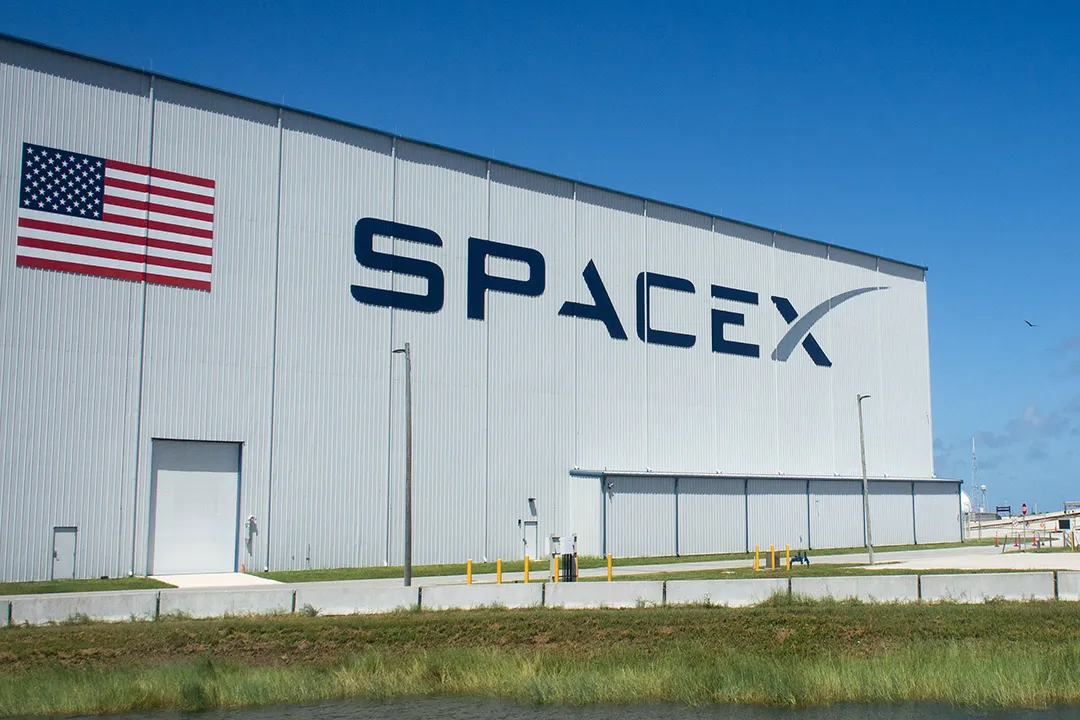
While the partnership has been incredibly fruitful for American space access, heavy reliance on a single, private entity presents inherent systemic risks that are frequently debated among policy experts. [6] A central tenet of successful space architecture is redundancy—having at least two independent means of reaching key destinations, such as the ISS. [6]
When SpaceX’s Falcon 9 or Crew Dragon faces an unexpected grounding due to a technical review or anomaly, there is currently no immediate, fully operational backup capable of taking over the entire crew rotation manifest on short notice. [6] Even with Boeing’s Starliner completing certification, if both systems were simultaneously unavailable due to unrelated technical issues or a singular external event impacting the launch complex, NASA’s human access to orbit would cease. [6] This scenario forces the agency into a precarious position where its current operational cadence is dictated by the operational readiness of one company’s product line. [6][8] The situation underscores that while the policy intended dual sourcing, the reality has been a near-monopoly in practice, which requires careful monitoring by government oversight bodies. [6]

# Wider Contracts
NASA’s reliance is mirrored, and perhaps even reinforced, by the growing dependency of other major U.S. government agencies, most notably the Department of Defense (DoD). [8] The National Security Space Launch (NSSL) program, managed by the DoD, has also heavily favored SpaceX for launching high-value national security satellites, particularly after a series of competitive selection rounds. [8]
When the DoD, which manages the highest-stakes and most complex national security missions, consistently places its most critical payloads on Falcon 9, it serves as an external validation of the rocket’s reliability and capability that extends beyond purely civilian spaceflight. [8] This broader governmental trust aggregates demand, providing SpaceX with a larger revenue base and more flight experience, which in turn feeds back into the operational experience that benefits NASA missions. [7] The infrastructure developed to support NSSL—the launch pads, the manufacturing capabilities, the personnel expertise—is an asset that both agencies benefit from, effectively creating a shared, highly reliable launch ecosystem centered around SpaceX vehicles. [5][8]
# Future Trajectory
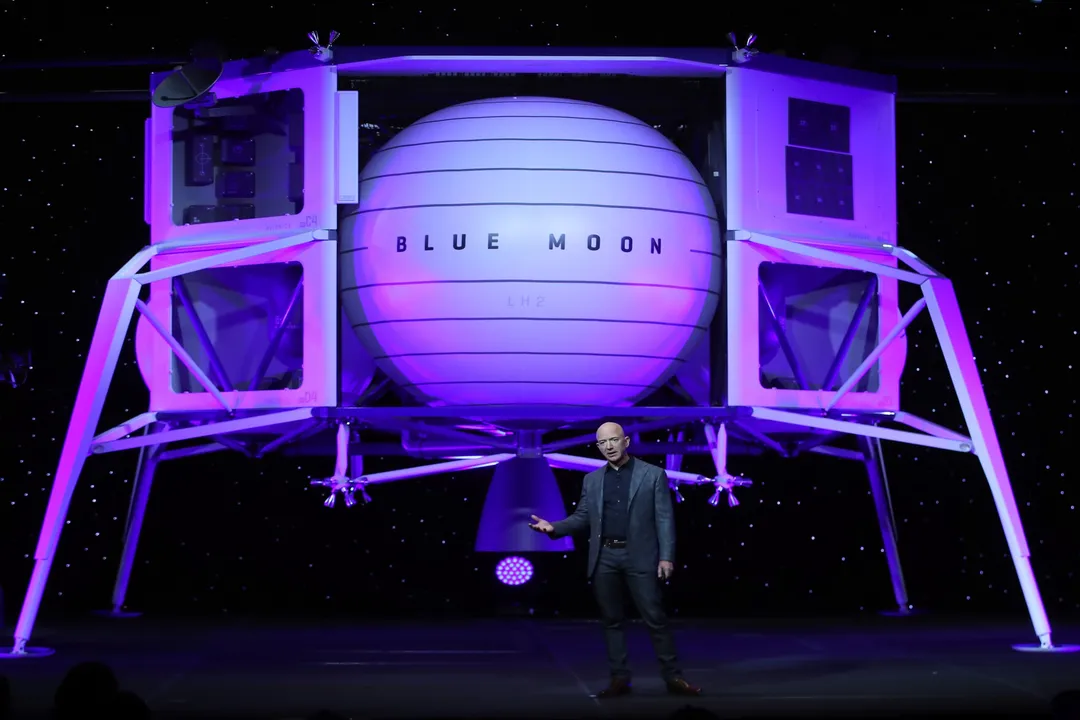
Looking forward, the reliance is unlikely to diminish quickly, especially as NASA shifts its focus toward the Artemis program and lunar exploration. [5] SpaceX is contracted to build the Human Landing System (HLS) for the Artemis program using Starship, signaling an even deeper integration into NASA's most ambitious future endeavors. [5] This move ties the success of NASA’s deep-space objectives directly to the success of SpaceX’s next-generation, highly ambitious vehicle development schedule. [5] While NASA continues to fund development pathways for competitors like Blue Origin through HLS contracts as well, the momentum, flight heritage, and established operational cadence favor the existing partnership, cementing SpaceX’s central position in the American aerospace infrastructure for the foreseeable future. [1][6]
#Videos
How The U.S. Became So Dependent On SpaceX - YouTube
Related Questions
#Citations
Why is the success of NASA's commercial space programs largely ...
Why do we need NASA when we have SpaceX?
How The U.S. Became So Dependent On SpaceX - YouTube
Why does NASA choose to work with SpaceX instead of building ...
How the U.S. became highly reliant on Elon Musk for access to space
This New Report Shows Why NASA's Dependence on ... - Gizmodo
How The U.S. Became So Dependent On SpaceX - CSET
NASA and the Defense Department Rely on SpaceX in So Many Ways
Updates - SpaceX