How is SpaceX beating NASA?

The landscape of space exploration is undergoing a profound shift, one where a private company, SpaceX, is increasingly setting the pace previously dictated by government agencies like NASA. The narrative often frames this as SpaceX "beating NASA," a perspective rooted in tangible differences in development cycles, financial structures, and the sheer velocity of technological progress seen in programs like Starship. For decades, government-led space programs were the undisputed benchmark, but the emergence of agile, commercially driven entities has fundamentally altered the equation, bringing both exciting benefits and new considerations for established space agencies.
# Cost Advantage
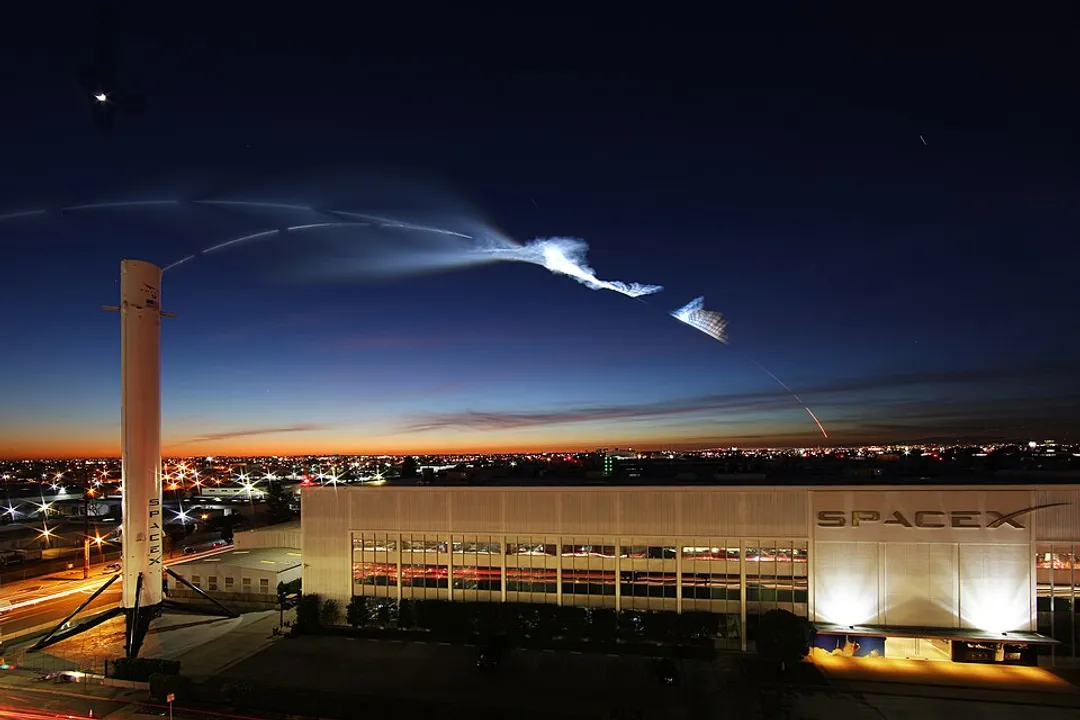
The ability of SpaceX to compete fiercely on cost is a central factor distinguishing its performance from historical NASA endeavors. When government agencies commission aerospace hardware, the process is often characterized by high overheads, bureaucratic layers, and an imperative toward absolute, risk-averse perfection from the first build, which inflates the price tag. Conversely, SpaceX, operating as a private entity, has engineered its entire business model around aggressive cost reduction and rapid iteration.
This efficiency is not accidental; it stems from a different approach to program management. While NASA’s structure has historically involved managing numerous contractors under a relatively fixed funding environment, SpaceX is vertically integrated and operates with a singular, focused vision driven by Elon Musk. This allows for quicker decision-making and a focus on reusability as a primary driver of lower launch costs—a concept that fundamentally changes the economics of accessing space.
To illustrate the philosophical gap that results in a cost difference, one can look at the implied development philosophy:
| Metric | Traditional Government Approach (Implied) | SpaceX Approach (Observed) |
|---|---|---|
| Development Style | Waterfall/Sequential | Iterative/Rapid Prototyping |
| Risk Tolerance | Extremely Low (High upfront qualification) | Managed High (Test-fix-fly) |
| Cost Driver | Programmatic overhead, fixed-price contracts | Vertical integration, reusability focus |
| Funding Source | Annual government appropriations | Private investment mixed with lucrative contracts |
This direct comparison highlights that the perceived "beating" in cost is less about NASA being inefficient by modern standards and more about SpaceX employing a business and engineering paradigm historically uncommon in large-scale, government-funded aerospace.
# Rapid Iteration
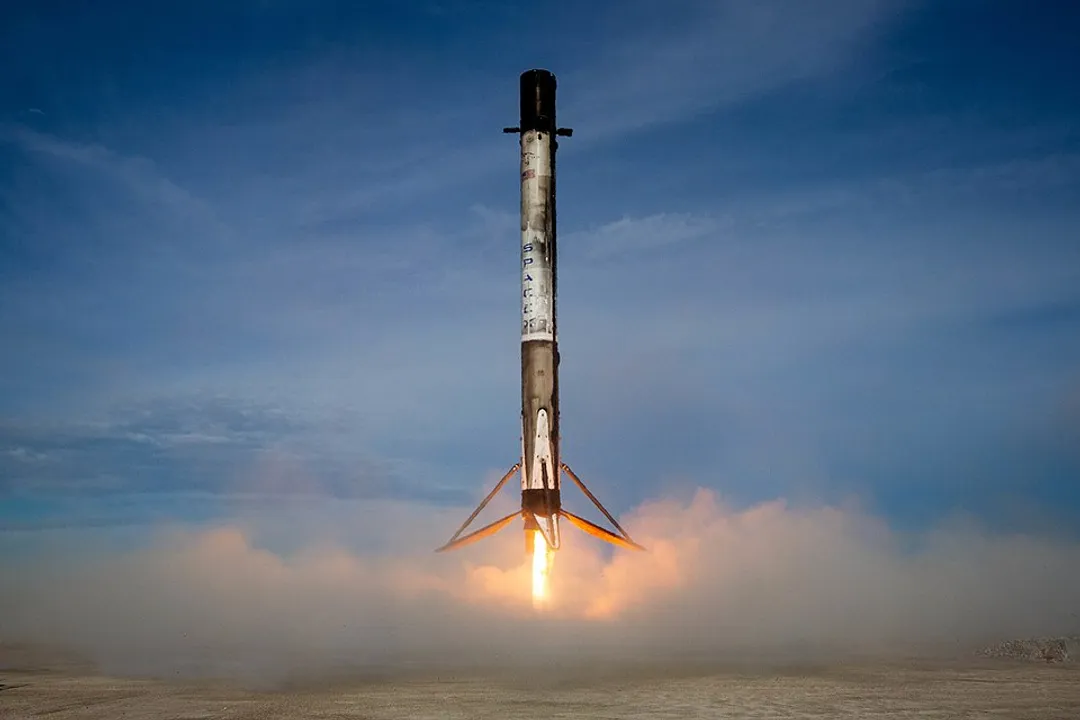
Perhaps the most visible sign of SpaceX pulling ahead is the speed at which its major hardware is developed and tested, most notably the massive Starship rocket system. Where massive government programs are known for lengthy design freezes and multi-year waits between major flight tests, SpaceX embraces a philosophy of "build, fly, fail, fix, and repeat". This high-cadence testing allows them to accumulate operational experience much faster than slower, more deliberate qualification processes permit.
The ability to absorb, analyze, and immediately apply lessons from launch failures—even spectacular ones—is central to this speed advantage. In a traditional system, such failures can trigger lengthy investigations, congressional inquiries, and budgetary reviews, stalling progress for years. In SpaceX’s model, the next iteration of hardware is often already in the build stage, incorporating data from the previous test.
This faster tempo has put SpaceX in a competitive position, making it NASA’s primary rival for lunar ambitions, such as the Artemis program. When one entity can progress through critical technological milestones at a significantly accelerated rate, it naturally gains an upper hand in capability demonstration and operational readiness. The very structure of the relationship has transformed; NASA now relies heavily on SpaceX contracts, such as for commercial cargo and crew transport, essentially becoming a major customer rather than solely the sole developer and operator of cutting-edge hardware.
# Operational Culture
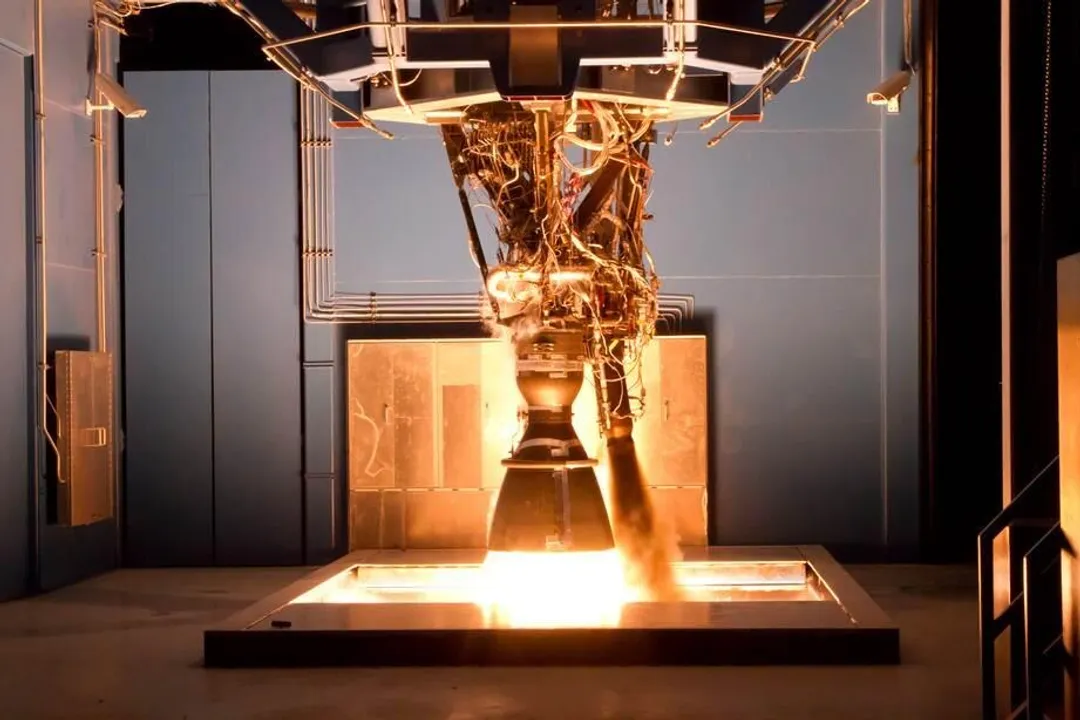
The cultural divergence between the two organizations speaks volumes about why SpaceX is perceived as outpacing its governmental counterpart. On public forums, observers frequently note that SpaceX possesses a culture closer to that of a high-growth tech startup than a traditional aerospace giant. This culture prioritizes speed and tangible results over strictly adhering to legacy processes developed during the Apollo era.
NASA, as a federal agency, must navigate a complex web of congressional oversight, public accountability, and stringent governmental contracting rules. While these constraints ensure taxpayer dollars are accounted for and safety standards are exceptionally high—a crucial benefit—they also introduce inertia that stifles rapid adaptation. The funding itself is subject to annual budgetary battles, leading to stop-start program pacing that is antithetical to the continuous, fast-paced engineering required for revolutionary technology development.
A deep-seated difference lies in the acceptance of developmental risk. Government agencies are inherently risk-averse because the consequence of failure often involves political fallout and delays to nationally important projects. SpaceX, on the other hand, appears willing to push hardware to its limits during testing to rapidly discover breaking points, viewing failures as expensive but necessary data points rather than terminal setbacks. This willingness to risk hardware—which is easier to replace quickly due to lower unit costs—in exchange for operational knowledge is a powerful accelerant in development, distinguishing their approach from the more cautious, ground-up qualification NASA traditionally employs.
# The Private Sector's Reach
SpaceX's success also stems from its diversification and long-term strategic vision, extending well beyond just launching payloads for NASA. While NASA remains a vital customer, SpaceX is building an entirely new commercial ecosystem centered around its capabilities, such as the Starlink satellite constellation. This commercial foundation provides independent revenue streams and motivation beyond the scope of specific government contracts.
This commercial impetus drives engineering decisions toward lower recurring costs—if you are building thousands of satellites, every dollar saved per launch matters immensely. This focus creates a virtuous cycle: lower costs make commercial opportunities more attractive, which in turn fuels further investment in lowering costs, a cycle government contracts alone may not easily sustain. Furthermore, SpaceX's integration of manufacturing, launch services, and soon, perhaps even in-orbit refueling capabilities, gives it a vertical command over the entire process that few, if any, other entities can match.
The benefits of this dominance are clear to NASA, which gains access to cheaper, faster access to orbit for its missions. However, this reliance creates a new dependency. When a single private company becomes the dominant provider for critical national space objectives, the risk profile of the entire sector changes. The competition that once drove down costs among several established contractors is now concentrated, placing immense influence in the hands of one corporation. The sheer scale of what SpaceX is attempting—from Mars colonization aspirations to developing the world's largest rocket—sets a different bar for achievement than was typically set by government agencies focused on specific, measurable mission objectives within set budget timelines.

# Analyzing the Trajectory
The current situation represents a fundamental recalibration of who drives innovation in space. While government agencies still fund the most ambitious, high-risk science missions, the execution layer—the how—is increasingly being dictated by the private sector. This dynamic forces government entities to evolve their procurement methods and partnership styles to keep pace with the velocity of private industry.
The success seen in SpaceX's flight rates and development milestones, compared to the slower cadence of government-led programs, suggests that the market mechanism, when paired with a revolutionary engineering vision, can compress timelines that once seemed fixed by physics and bureaucracy alike. Looking forward, the measure of success will likely shift from simply achieving a mission objective to achieving it with maximum reusability and minimal expenditure. This ongoing revolution is reshaping expectations for what is possible in the near-term future of space travel and settlement.
#Videos
SpaceX just Achieved What NASA's 1.5 billion dollar Space Plane ...
Related Questions
#Citations
what is it about SpaceX that is fostering their success in so many ...
Why Elon Musk's Starship rocket is beating Nasa in the space race
How did SpaceX beat NASA at their own game? SpaceX ... - Quora
SpaceX now dominates rocket flight, bringing big benefits ... - Science
SpaceX just Achieved What NASA's 1.5 billion dollar Space Plane ...
How Did SpaceX Revolutionize Private Spaceflight? My Long-read ...
SpaceX - Wikipedia
SpaceX is NASA's biggest lunar rival - The Economist
Updates - SpaceX